
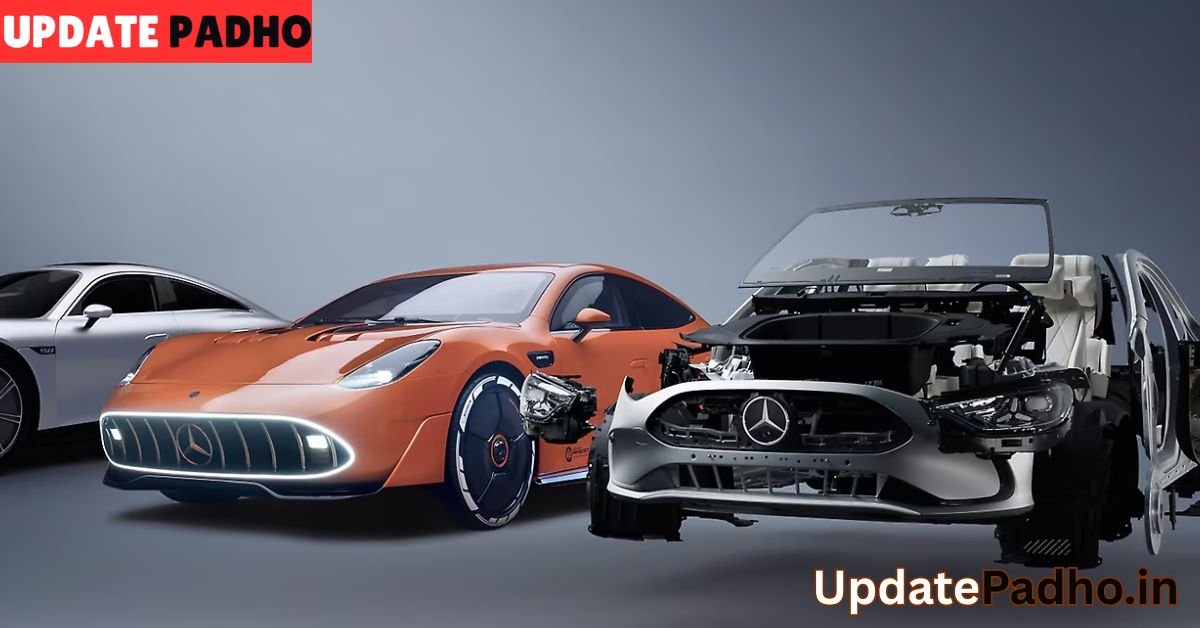
The automotive industry is at a turning point. Electrification alone is not enough to meet global sustainability goals—manufacturers must also address the carbon footprint embedded in materials, production, and end-of-life management. Recognizing this, Mercedes-Benz has unveiled Tomorrow XX, a groundbreaking technology program that redefines how cars are designed, built, and recycled.
What Is Tomorrow XX?
Tomorrow XX is a holistic sustainability roadmap that extends across the entire Mercedes-Benz portfolio. Inspired by earlier projects like the VISION EQXX and CONCEPT AMG GT XX, the program applies their multidisciplinary approach to every model line, regardless of drivetrain.
The initiative focuses on three pillars:
- Decarbonization: Reducing CO₂ emissions not just at the tailpipe, but across the supply chain and production process.
- Resource efficiency: Designing components with fewer materials and lower energy intensity.
- Circularity: Ensuring vehicles are easier to dismantle, repair, and recycle at the end of their lifecycle.
Tackling Embedded Carbon
Modern cars contain around 250 kg of plastic parts, many of which are difficult to recycle. Tomorrow XX addresses this by evaluating over 40 different components to make them easier to repair, separate, and reuse. This shift moves sustainability “beyond tailpipe emissions” to the upstream CO₂ footprint—the emissions created before a car even reaches the road.

Examples include:
- Mono-material designs (like simplified door pockets) that eliminate adhesives and layered plastics.
- Urban mining strategies to recover valuable materials from end-of-life vehicles.
- Circular polymers and metals that can be reintroduced into new production cycles.
Collaboration and Innovation
Mercedes-Benz is not working alone. The Tomorrow XX program involves suppliers, research institutions, and material innovators, creating a network to industrialize low-carbon, circular design. This collaborative approach ensures scalability and accelerates adoption across the industry.
Benefits for Consumers
For buyers, Tomorrow XX means future Mercedes vehicles will be:
- Greener: Lower embedded carbon footprint.
- Smarter: Designed for repairability and longevity.
- Responsible: Built with recycled and renewable materials.
Importantly, these changes will not compromise luxury or performance. Mercedes aims to prove that sustainability and premium quality can coexist.

Challenges and Trade-Offs
While Tomorrow XX is ambitious, challenges remain:
- High R&D costs: Developing recyclable materials and redesigning components requires significant investment.
- Industry adoption: Circularity is most effective when widely adopted, not limited to one brand.
- Consumer awareness: Buyers may not immediately recognize or value embedded carbon reductions.
Still, Mercedes-Benz views these challenges as necessary steps toward long-term sustainability leadership.
Strategic Importance
Tomorrow XX positions Mercedes-Benz as a global leader in sustainable luxury mobility. By embedding circularity into design, the company strengthens its brand identity and aligns with tightening regulatory frameworks worldwide.
It also future-proofs the business: as raw materials become scarcer and carbon regulations stricter, companies with circular supply chains will have a competitive edge.

Final Thoughts
The Tomorrow XX program is more than a sustainability initiative—it’s a paradigm shift. By rethinking cars from design to disposal, Mercedes-Benz is charting a path toward a truly circular automotive industry.
For consumers, it means driving vehicles that are not only luxurious and high-performing but also responsibly engineered for the planet. For the industry, it sets a benchmark: sustainability must extend beyond electrification to encompass the entire lifecycle of a car.