
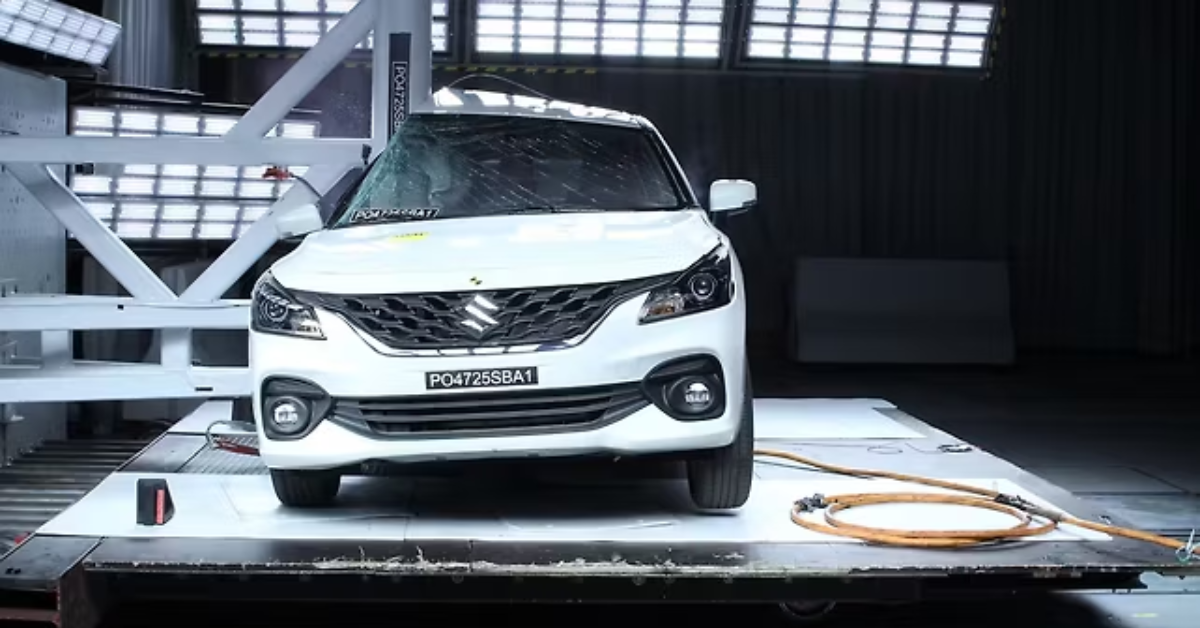
The Maruti Suzuki Baleno has long been one of the most popular premium hatchbacks in India, praised for its stylish design, spacious cabin, fuel efficiency, and reliable ownership experience. However, recent developments have brought the spotlight back on the car for a different reason. The made-in-India Suzuki Baleno has scored just one star in the Latin NCAP crash test, raising questions about safety standards, testing protocols, and what this result truly means for buyers.
Crash test ratings often create confusion and concern among customers, especially when a well-known and trusted model receives a low score. In this blog, we break down the one-star Latin NCAP rating of the Suzuki Baleno, explain why it happened, how safety standards differ across regions, and what lessons buyers should take away from this result.
Understanding Latin NCAP and Its Importance
Latin NCAP is an independent vehicle safety assessment program that evaluates cars sold in Latin American markets. Its crash tests assess multiple parameters, including:
- Adult occupant protection
- Child occupant protection
- Side impact performance
- Pedestrian safety
- Safety assist features
Over the years, Latin NCAP has significantly tightened its testing standards, placing greater emphasis on both passive safety (airbags, body structure) and active safety (electronic aids that help avoid accidents).
What Exactly Happened in the Suzuki Baleno Crash Test
The Suzuki Baleno tested under Latin NCAP was a basic safety variant, equipped with:
- Two airbags
- Electronic Stability Control
- Standard seatbelt systems
Despite the presence of these features, the car managed to secure only one star under the latest and more stringent Latin NCAP protocol.
Key Reasons Behind the One-Star Rating
1. Limited Number of Airbags
One of the biggest reasons for the low rating was the absence of side and curtain airbags. While frontal airbags offer protection during head-on collisions, side impacts require additional airbags to protect the chest and head of occupants. The tested Baleno variant lacked these, significantly affecting its score.
2. Weak Side Impact Protection
The crash test results indicated limited protection for adult occupants during side impact tests. In such scenarios, additional airbags and reinforced door structures play a critical role, which were not sufficient in the tested version.
3. Lack of Advanced Safety Assist Systems
Modern crash test protocols give considerable weight to active safety features such as:

- Autonomous emergency braking
- Lane support systems
- Speed assistance
The tested Baleno variant did not include these systems, resulting in a very low safety assist score and dragging down the overall rating.
4. Pedestrian Protection Performance
Pedestrian safety is another key component of Latin NCAP scoring. The Baleno’s performance in this area was average, further limiting its overall rating.
Does This Mean the Suzuki Baleno Is Unsafe?
A one-star rating can sound alarming, but it’s important to understand the context.
The low score reflects:
- The specific variant tested
- The equipment level used during the test
- The strictness of the Latin NCAP protocol
It does not necessarily mean that every Baleno on the road is unsafe. Safety performance varies depending on:
- The number of airbags
- Structural reinforcements
- Additional electronic safety systems
In fact, when the Baleno is equipped with more safety features, its performance improves noticeably.
Why Safety Ratings Differ Across Regions
One of the most misunderstood aspects of crash test results is that a car’s safety rating is not universal.
Different regions follow different testing standards:
- Some focus more on structural safety
- Others emphasize accident-avoidance technology
- Scoring weightage varies widely
This means a car can score differently in different regions based on:

- Testing methodology
- Equipment level tested
- Local regulations
As a result, buyers should avoid making decisions based solely on a single global crash test rating without understanding the background.
Suzuki’s Response and Safety Upgrades
Following increased focus on safety, Suzuki has taken steps to enhance safety equipment across its lineup. In many markets, the Baleno now offers:
- More airbags as standard
- Improved seatbelt systems
- Structural reinforcements
These changes clearly show that safety upgrades can significantly improve crash test performance, reinforcing the importance of choosing higher-safety variants whenever possible.
What This Means for Indian Car Buyers
1. Safety Features Matter More Than Ever
Buyers should no longer consider safety as optional. Features such as:
- Six airbags
- Electronic stability control
- Strong body structure
should be prioritized, even if it means spending slightly more.
2. Variant Selection Is Crucial
Crash test results often apply to a specific variant, not the entire model lineup. Choosing a higher variant with additional safety features can make a meaningful difference in protection.
3. Don’t Judge a Car by Stars Alone
Star ratings are useful, but they should be viewed along with:
- Detailed crash performance data
- Safety equipment offered
- Local testing standards
Understanding why a car scored low is just as important as the score itself.
Impact on the Automotive Industry
The Baleno’s one-star Latin NCAP result highlights a broader trend in the global auto industry:

- Safety expectations are rising rapidly
- Active safety systems are becoming essential
- Manufacturers are under pressure to standardize safety across all variants
This shift will likely result in safer cars across price segments, benefiting consumers in the long run.
Lessons for Manufacturers
The crash test outcome sends a clear message:
- Entry-level variants must not compromise on safety
- Offering safety features only on top trims is no longer acceptable
- Future regulations and buyer awareness will demand better protection
Manufacturers who proactively invest in safety will earn stronger trust and long-term loyalty.
Final Thoughts
The made-in-India Suzuki Baleno scoring one star in the Latin NCAP crash test has sparked widespread discussion, but it also serves as an important reminder about the evolving nature of vehicle safety. While the result may appear concerning, it reflects the performance of a basic-spec variant under very strict testing norms, rather than the overall capability of the model.
For buyers, the takeaway is clear:
✔ Always prioritize safety features
✔ Choose variants with enhanced protection
✔ Understand crash ratings before making decisions
As safety standards continue to evolve, such discussions will play a crucial role in pushing the industry toward safer vehicles — a win for everyone on the road.