
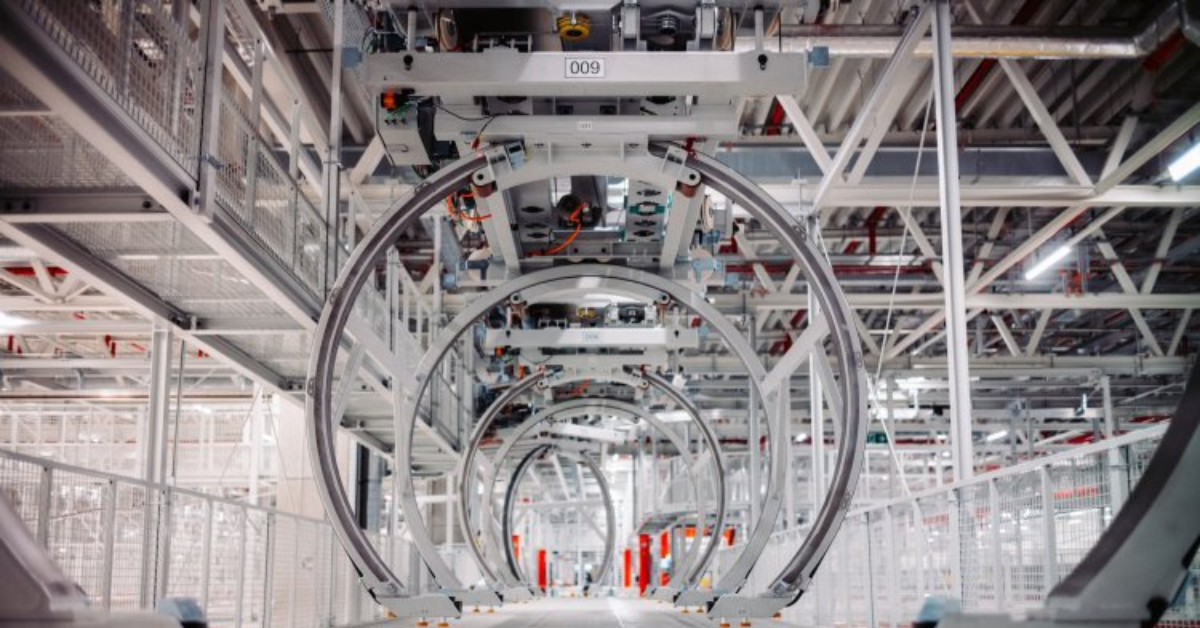
BMW is taking another decisive step toward its electric future as the company prepares its Munich manufacturing plant for the production of the new i3 electric sedan. This strategic move underscores BMW’s long-term commitment to electrification, sustainable manufacturing, and next-generation mobility solutions. The Munich facility, one of BMW’s most important production hubs, is undergoing significant transformation to accommodate advanced electric vehicle platforms.
The upcoming i3 is expected to play a critical role in BMW’s premium EV portfolio, offering a balance of performance, efficiency, and cutting-edge digital technology tailored for global markets.
Munich Plant: The Heart of BMW’s Manufacturing Network
The Munich plant holds a special place in BMW’s global production ecosystem. As BMW’s historic home facility, it represents innovation, engineering excellence, and premium craftsmanship. Preparing this plant for new i3 production reflects the company’s confidence in its ability to seamlessly transition from internal combustion engines to electric drivetrains.
Modernizing the Munich facility involves extensive upgrades, including new assembly lines, high-voltage battery integration zones, and advanced quality control systems. These enhancements ensure the plant can produce electric vehicles at scale while maintaining BMW’s renowned standards.
The New i3: A Strategic Electric Sedan
The new-generation BMW i3 marks a departure from the earlier compact electric hatchback bearing the same name. This time, the i3 is positioned as a premium electric sedan, designed to compete in the rapidly growing EV segment dominated by luxury and performance-focused players.
BMW aims to deliver a vehicle that blends sporty driving dynamics with long-range efficiency, making it attractive to both urban professionals and tech-savvy consumers. The model is expected to feature a sleek aerodynamic profile, advanced driver assistance systems, and a digitally immersive cabin experience.
Manufacturing Transformation for Electric Mobility
Preparing the Munich plant for new i3 production is not just about adding another model—it represents a comprehensive shift in manufacturing philosophy. Electric vehicle production demands higher precision, flexible assembly processes, and advanced software integration.

Key areas of transformation include:
- Dedicated EV assembly workflows
- High-voltage battery installation capabilities
- Enhanced automation and robotics
- Smart manufacturing systems for quality assurance
These upgrades allow BMW to future-proof the Munich plant, ensuring readiness for additional electric models in the coming years.
Sustainability at the Core of Production
Sustainability is central to BMW’s manufacturing strategy. The Munich plant’s transition aligns with BMW’s broader goal of reducing carbon emissions across its entire value chain. The company has prioritized energy-efficient production methods, renewable energy usage, and resource conservation.
By producing electric vehicles in a highly optimized facility, BMW strengthens its commitment to environmentally responsible mobility while meeting increasingly strict regulatory standards across global markets.
Advanced Technology and Digital Integration
The new i3 will benefit from BMW’s latest digital architecture, including next-generation infotainment systems, connected services, and over-the-air software updates. Preparing the Munich plant for production ensures seamless integration of hardware and software components from the earliest stages of assembly.
Digital twins, AI-driven quality inspections, and data-driven production monitoring will play a crucial role in maintaining precision and consistency throughout the manufacturing process.
Workforce Upskilling and Employment Impact
Transitioning to electric vehicle production requires a highly skilled workforce. BMW has invested heavily in training programs to equip employees at the Munich plant with expertise in high-voltage systems, battery technology, and advanced electronics.

This focus on workforce development not only supports production efficiency but also safeguards long-term employment by aligning skills with future mobility trends. The move reinforces BMW’s reputation as a forward-thinking employer in the automotive sector.
Competitive Positioning in the Premium EV Market
The new i3 is expected to strengthen BMW’s position in the competitive premium electric sedan segment. As global demand for electric vehicles accelerates, consumers are increasingly seeking brands that combine luxury, performance, and sustainability.
By manufacturing the i3 at its Munich plant, BMW leverages its engineering heritage while delivering a product designed for modern expectations. The model is likely to appeal to customers who value driving dynamics as much as digital innovation.
Implications for BMW’s Global Strategy
Preparing the Munich plant for new i3 production reflects BMW’s broader strategic priorities:
- Expanding its electric vehicle portfolio
- Strengthening European manufacturing capabilities
- Enhancing flexibility across production networks
- Reducing dependency on fossil-fuel-based powertrains
The move positions BMW to respond quickly to market demand while maintaining operational efficiency and premium quality standards.
Industry Outlook
BMW’s investment in the Munich plant signals confidence in the future of electric sedans, even as SUVs dominate global sales charts. The company appears committed to offering diverse EV body styles to cater to different customer preferences.
Industry experts view the new i3 as a crucial test of BMW’s ability to translate its traditional strengths—engineering excellence and driving pleasure—into the electric era.

Conclusion
The preparation of BMW’s Munich plant for new i3 production represents a landmark moment in the company’s electrification journey. By transforming a historic manufacturing facility into a future-ready EV hub, BMW demonstrates its commitment to innovation, sustainability, and premium electric mobility.
As the automotive industry continues its rapid transition toward electrification, the new i3 stands as a symbol of BMW’s ambition to lead rather than follow. With advanced manufacturing, cutting-edge technology, and a focus on sustainable growth, BMW is positioning itself strongly for the next phase of global mobility.