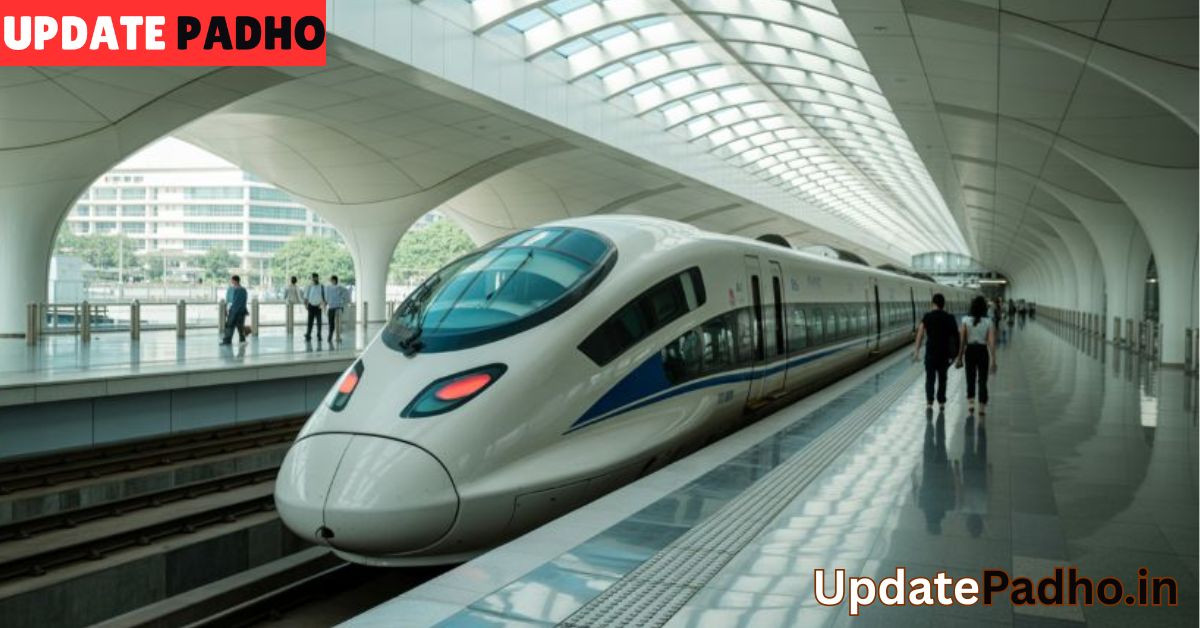
India is on the cusp of a historic transformation in its transport infrastructure. On August 15, 2027, the nation will witness the launch of its first bullet train service, a project that has been years in the making. The Mumbai–Ahmedabad High-Speed Rail Corridor, spanning 508 kilometers, will finally bring world-class high-speed rail technology to Indian tracks, cutting travel times drastically and symbolizing progress on Independence Day.
A Symbolic Launch
The choice of August 15, 2027 is no coincidence. By aligning the launch with Independence Day, the government is underscoring the bullet train as a symbol of national pride and modernity. Railways Minister Ashwini Vaishnaw has confirmed that passengers will be able to book tickets starting that day, marking the beginning of a new chapter in India’s transport story.
The Route and Phased Rollout
The bullet train will run between Mumbai and Ahmedabad, connecting two of India’s most important economic hubs. The rollout will be phased to ensure smooth operations:

- First Section: Surat to Bilimora
- Second Section: Vapi to Surat
- Third Section: Vapi to Ahmedabad
- Fourth Section: Thane to Ahmedabad
- Final Section: Full Mumbai–Ahmedabad corridor
This phased approach allows passengers to experience the service gradually while construction continues on other stretches.
Speed and Technology
The trains are designed to run at speeds of up to 320 km/h, reducing travel time between Mumbai and Ahmedabad from over six hours to just about two hours. Built with Japanese Shinkansen technology, the project promises international standards of safety, comfort, and efficiency.
Key Features of the Bullet Train
- World-Class Comfort: Spacious seating, advanced suspension, and smooth acceleration.
- Safety Systems: Earthquake detection and automatic braking.
- Eco-Friendly Design: Reduced emissions compared to air travel.
- Modern Stations: State-of-the-art facilities at hubs like Sabarmati, Surat, and Mumbai.
Comparison With Current Travel Options
| Mode of Travel | Time (Mumbai–Ahmedabad) | Comfort Level | Cost (Approx.) |
|---|---|---|---|
| Bullet Train (2027) | ~2 hours | High | Premium |
| Conventional Train | 6–7 hours | Moderate | Affordable |
| Flight | ~1 hour (plus airport time) | High | Premium |
| Road (Car/Bus) | 7–8 hours | Variable | Moderate |
Why It Matters
The bullet train project is more than just faster travel. It represents:

- Economic Growth: Improved connectivity between Mumbai and Ahmedabad will boost trade and tourism.
- Job Creation: Thousands of jobs have been generated during construction, with more expected in operations.
- Global Standards: India joins the league of nations with high-speed rail, enhancing its global image.
- Urban Development: New stations and infrastructure will spur growth in surrounding areas.
Challenges Ahead
Despite the excitement, the project faces challenges:
- Cost: With an estimated budget of over ₹1 lakh crore, affordability for passengers will be key.
- Land Acquisition: Delays in securing land have slowed progress in some areas.
- Competition: Airlines may adjust pricing to retain passengers.
- Maintenance: Ensuring consistent safety and reliability will require significant investment.
Final Thoughts
The launch of India’s first bullet train on August 15, 2027 is a landmark moment. It’s not just about speed—it’s about ambition, innovation, and national pride. By connecting Mumbai and Ahmedabad in record time, India is embracing a future where high-speed rail becomes a backbone of modern transport.
For millions of passengers, the bullet train will redefine what it means to travel in India: faster, safer, and more comfortable. And for the nation, it will stand as a powerful symbol of progress, perfectly timed to celebrate Independence Day.