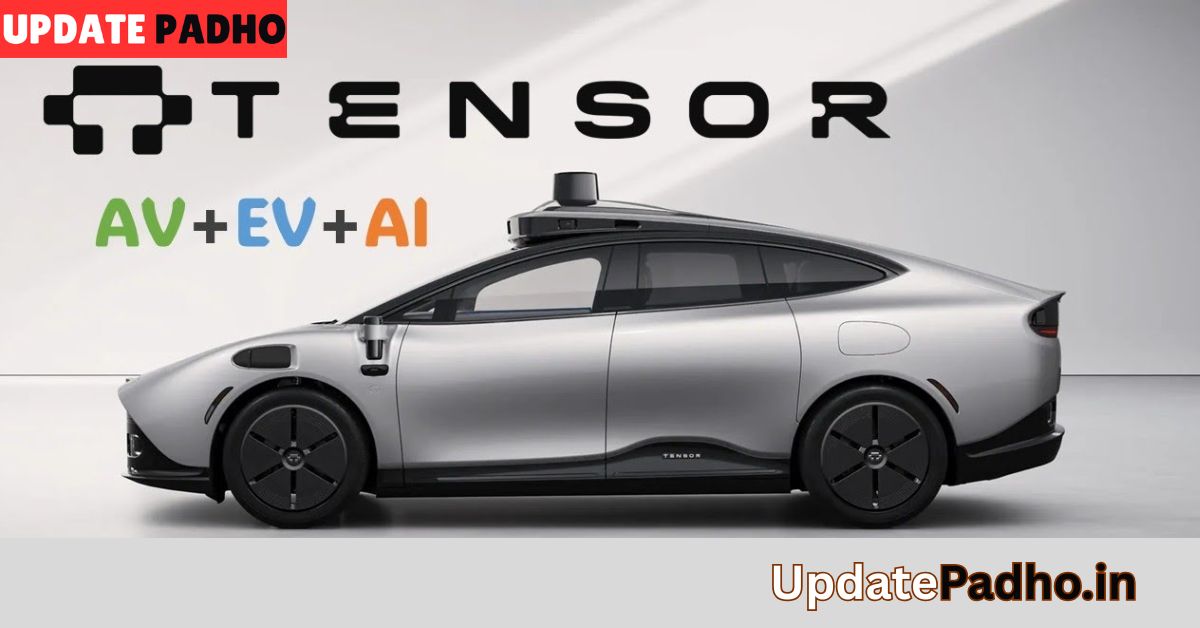
The Automotive industry has long promised fully autonomous cars, but until now, most deployments have been limited to commercial fleets like Waymo or Cruise. At CES 2026, Tensor Auto, a startup based in San Jose, California, broke new ground by introducing the Tensor Robocar—a privately owned Level 4 autonomous vehicle designed from scratch for autonomy rather than retrofitting existing cars. This debut marks a turning point in the race toward consumer-ready self-driving vehicles.
What Makes Tensor Different?
Unlike competitors who adapt existing models, Tensor built the Robocar as an AI-first platform:
- Supercomputer on Wheels: Powered by eight NVIDIA DRIVE AGX Thor chips based on Blackwell GPU architecture, delivering 8,000 TOPS of computing power.
- Sensor Integration: Designed deliberately for optimal sensor placement, ensuring robust perception in diverse environments.
- Disappearing Controls: Steering wheel and pedals retract in autonomous mode, freeing cabin space.
- Luxury EV Design: Premium interiors and advanced infotainment systems make it as much a lifestyle product as a mobility solution.
This combination of raw computing power, thoughtful design, and consumer focus sets Tensor apart from traditional automakers.

Key Features of the Tensor Robocar
1. Level 4 Autonomy
- Capable of handling all driving tasks within defined conditions without human intervention.
- Ideal for urban commuting and highway travel.
2. AI-First Architecture
- Built around real-time sensor fusion and decision-making.
- Prioritizes safety and adaptability in unpredictable scenarios.
3. Cabin Innovation
- Retractable steering wheel and pedals create a living-room-like interior.
- Camera-powered rearview “mirrors” and large digital displays enhance visibility and entertainment.
4. Connectivity and Comfort
- Designed as a luxury EV, offering spacious seating, premium materials, and advanced infotainment.
- OTA (over-the-air) updates ensure continuous improvement.
Market Positioning
Tensor Auto is targeting consumers directly, unlike Waymo or Cruise, which focus on ride-hailing fleets.
Comparison Snapshot:
| Feature | Tensor Robocar | Waymo (Jaguar I-Pace) | Tesla FSD Beta |
|---|---|---|---|
| Autonomy Level | Level 4 | Level 4 (fleet only) | Level 2–3 |
| Ownership Model | Consumer sales | Fleet service | Consumer sales |
| Controls | Disappearing | Standard | Standard |
| Compute Power | 8,000 TOPS | ~2,000 TOPS | ~1,000 TOPS |
| Launch Year | 2026 | 2018 (fleet) | Ongoing beta |
Tensor’s consumer-first approach could disrupt the market by making advanced autonomy accessible to private buyers.

Challenges Ahead
- Regulatory Approval: Level 4 autonomy faces varying legal frameworks across countries.
- Consumer Trust: Buyers must feel confident in safety and reliability.
- Infrastructure: Autonomous vehicles require robust mapping and connectivity ecosystems.
- Competition: Established players like Tesla, Mercedes, and Waymo have years of experience.
Strategic Importance
Tensor’s Robocar represents more than a product—it’s a statement of intent:
- AI-Centric Mobility: Vehicles designed around computing power rather than mechanical retrofits.
- Consumer Empowerment: Bringing autonomy directly to private ownership.
- Luxury Meets Utility: Positioning autonomy as aspirational, not just functional.
Conclusion
The Tensor Robocar is a bold leap into the future of mobility. By combining Level 4 autonomy, AI-first design, and luxury EV features, Tensor Auto is redefining what a car can be in the age of autonomy.
For consumers, it offers the promise of hands-free, stress-free driving in a vehicle that doubles as a connected living space. For the industry, it signals the arrival of a new competitor willing to challenge incumbents with fresh ideas and cutting-edge technology.