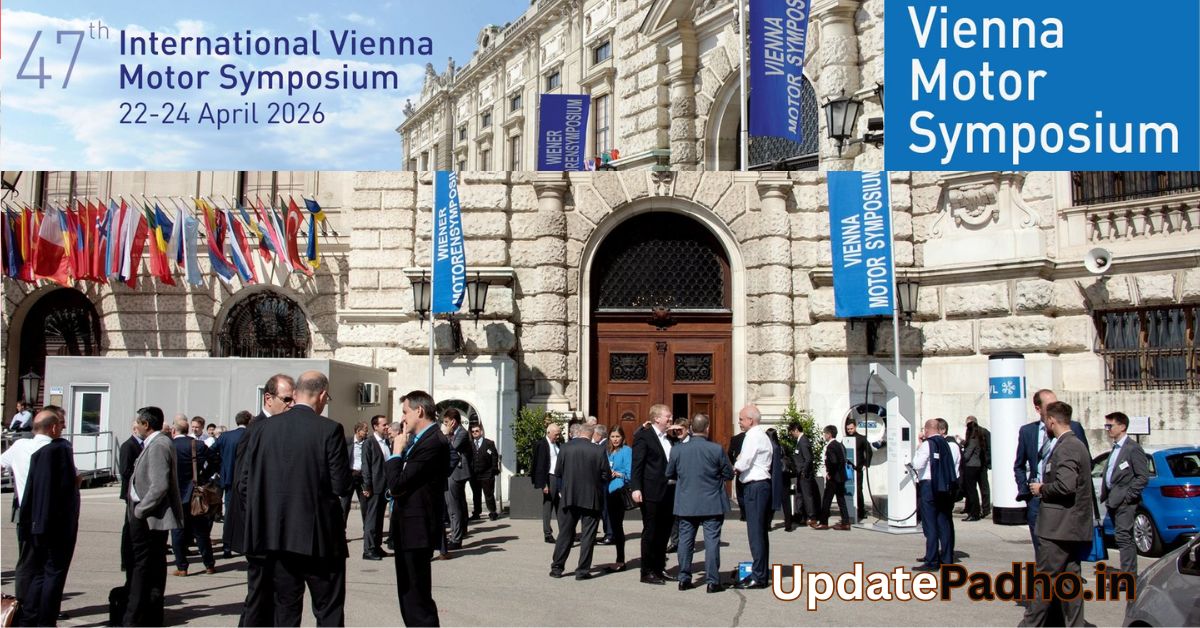
The automotive industry is at a crossroads. With climate change concerns intensifying and governments worldwide pushing for stricter emissions regulations, manufacturers face the challenge of balancing innovation with sustainability. Against this backdrop, the 47th International Vienna Motor Symposium, scheduled for April 22–24, 2026, promises to be one of the most influential gatherings of automotive leaders, engineers, and policymakers. Hosted at the prestigious Hofburg Conference Centre in Vienna, the symposium will spotlight cutting-edge technologies and strategies for the mobility of tomorrow.
What to Expect at the 47th Symposium
Key Themes
The symposium will focus on powertrain transformation and sustainable mobility, with sessions covering:
- Electrified Drive Systems: Advances in battery electric vehicles (BEVs) and electric drive components.
- Hybrid Engines: High-performance hybrid solutions and dedicated hybrid transmissions.
- Hydrogen Powertrains: Innovative hydrogen combustion engines and storage technologies.
- Alternative Fuels: Exploring synthetic fuels and biofuels as transitional solutions.
- Software-Defined Vehicles (SDVs): Integration of digital ecosystems into mobility.
- Battery Thermal Management: Efficient charging and cooling systems for next-gen EVs.
Global Participation
Over 1,000 decision-makers from leading automotive companies, suppliers, and research institutions are expected to attend. The event will feature groundbreaking lectures, panel discussions, and exhibitions, offering a platform for networking and collaboration.

Why the Vienna Motor Symposium Matters
1. Technology Neutrality Debate
Europe remains divided on whether a purely electric future is the right path or if a technology-neutral approach—embracing EVs, hybrids, hydrogen, and advanced combustion engines—offers a more balanced solution. The symposium will provide a stage for this critical debate.
2. Bridging Global Perspectives
While Europe leans toward electrification, North America continues to rely heavily on gasoline and diesel, and Asia is exploring hydrogen aggressively. The symposium will highlight these regional differences and explore pathways to harmonize global strategies.
3. Innovation Showcase
Leading companies like AVL Mobility Engineering will present production-ready solutions, including hydrogen engines, fuel cells, and advanced hybrid systems. This makes the symposium not just theoretical, but a showcase of technologies ready for deployment.

Comparison with Previous Editions
| Edition | Year | Focus Areas | Key Outcome |
|---|---|---|---|
| 45th | 2024 | EV adoption, charging infra | Highlighted Europe’s push for EV-only future |
| 46th | 2025 | Hydrogen & hybrid debates | Sparked discussions on tech neutrality |
| 47th | 2026 | Powertrain transformation, SDVs | Expected to set roadmap for balanced mobility |
Verdict: The 47th edition is positioned as the most comprehensive yet, addressing both hardware (engines, batteries) and software (SDVs, cloud integration).
Challenges Ahead
- Infrastructure Gaps: EV charging and hydrogen refueling networks remain underdeveloped in many regions.
- Cost Pressures: Transitioning to new technologies requires significant investment, which may impact affordability.
- Regulatory Uncertainty: Differing policies across continents complicate global strategies.
- Consumer Acceptance: Convincing end-users to adopt new technologies remains a hurdle.
Conclusion
The 47th Vienna Motor Symposium is more than an industry event—it’s a strategic forum shaping the future of mobility. By bringing together global leaders to debate electrification, hydrogen, hybrids, and alternative fuels, the symposium will influence how the automotive industry navigates the next decade.
For engineers, policymakers, and enthusiasts alike, Vienna in April 2026 will be the place where the roadmap to sustainable, technology-neutral mobility is charted. Whether you believe in an all-electric future or a diversified approach, the discussions here will set the tone for the industry’s evolution.