
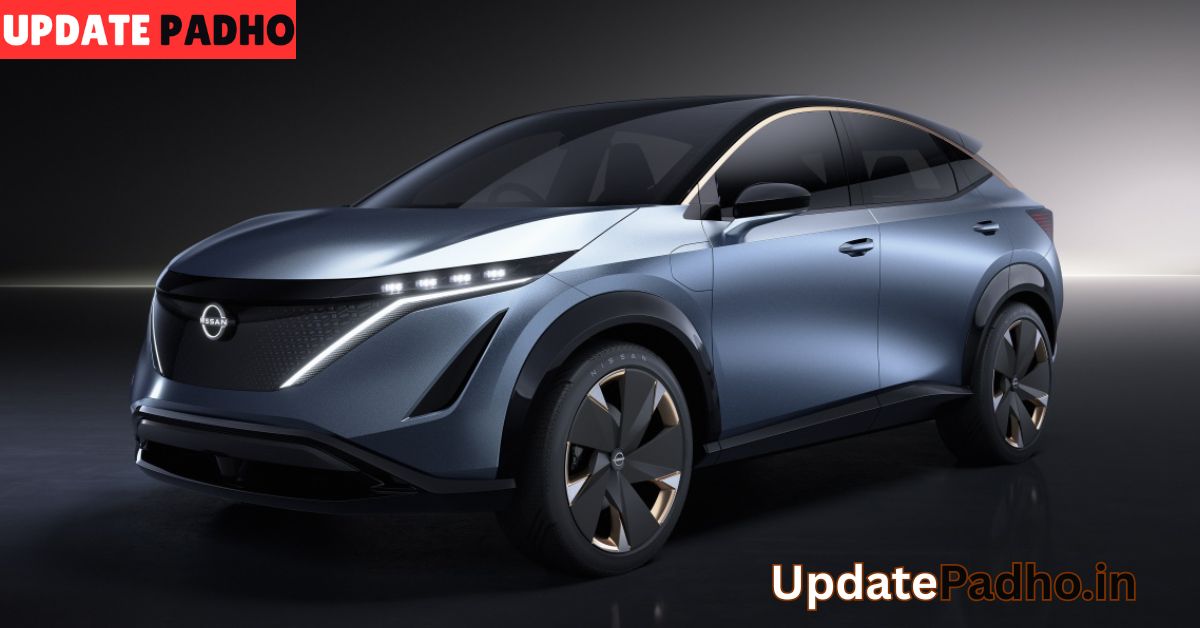
In a bold stride toward sustainable Transportation, Nissan has recently unveiled its innovative Solar-Powered Ariya Electric Vehicle (EV) Concept, signaling a new era of eco-friendly mobility. This visionary concept combines cutting-edge electric technology with renewable energy solutions, aiming to revolutionize how we think about vehicle sustainability. As the automotive industry accelerates its shift toward greener alternatives, Nissan’s latest innovation exemplifies its commitment to environmental stewardship and technological advancement. Here’s an in-depth look at the Solar-Powered Ariya EV Concept, its features, significance, and what it means for the future of electric mobility.
A Step Toward Sustainable Innovation
Nissan has long been recognized as a pioneer in electric mobility, with the Leaf being one of the world’s first mass-market EVs. Building on this legacy, the company’s new Solar-Powered Ariya Concept introduces a groundbreaking integration of solar energy technology directly into an electric SUV. The vehicle is designed to harness solar power, supplementing its battery charge and reducing reliance on traditional charging infrastructure. This innovative approach aims to extend driving range, lower carbon emissions, and promote sustainable energy use.
Highlight sentence: “Nissan’s Solar-Powered Ariya EV Concept marks a significant milestone in the journey toward fully sustainable and self-sufficient electric mobility.”
Design and Technological Features
The Solar-Powered Ariya EV Concept features a sleek, aerodynamic exterior optimized for solar energy absorption. Its surface incorporates advanced photovoltaic cells seamlessly integrated into the body panels, allowing the vehicle to capture sunlight efficiently while maintaining aesthetic appeal. The design emphasizes a futuristic yet practical look, with smooth lines and a bold stance that reflects Nissan’s commitment to innovation.
Inside, The vehicle boasts an eco-friendly interior with sustainable materials and intelligent connectivity. The onboard solar system is designed not only to charge the main battery but also to power auxiliary systems, such as climate control and infotainment, reducing overall energy consumption. The concept’s advanced battery management system intelligently distributes energy from solar panels, ensuring optimal efficiency and performance.

Environmental and Practical Benefits
The integration of solar technology into the Ariya EV offers numerous environmental benefits. By harnessing renewable solar energy, the vehicle reduces its carbon footprint, contributing to global efforts to combat climate change. It also decreases dependence on fossil fuels and traditional electricity sources, aligning with global sustainability goals.
Practically, The solar panels can provide supplemental range extension, especially beneficial in sunny climates or during long drives. This feature can help alleviate “range anxiety,” one of the primary concerns among EV users, by offering an additional energy source that reduces the need for frequent charging stops.
Moreover, the concept promotes energy independence for consumers. Imagine a future where EV owners can recharge their vehicles using sunlight, reducing electricity costs and supporting eco-conscious lifestyles. The V2G capability further enhances this sustainability by enabling vehicles to act as energy buffers, aiding grid stability and integrating renewable energy sources more effectively.
The Path to Commercialization
While the Solar-Powered Ariya EV Concept is currently a visionary prototype, Nissan has expressed strong interest in advancing this technology toward commercial viability. The company’s focus is on refining the efficiency of solar integration, enhancing battery capacity, and ensuring affordability for mass-market adoption.
Nissan’s experience in EV manufacturing and its global manufacturing footprint position it well to scale up this innovative technology. The company envisions that future Ariya models, equipped with advanced solar panels, could become a standard feature in regions with abundant sunlight, further accelerating the transition toward sustainable mobility.

Industry Impact and Future Outlook
The unveiling of the Solar-Powered Ariya EV Concept underscores a broader shift within the automotive industry toward integrating renewable energy solutions into vehicle design. It challenges traditional notions of EV charging, emphasizing self-sufficiency and environmental harmony.
Industry analysts see this innovation as a potential game-changer, inspiring other automakers to explore solar and renewable energy integrations. As governments worldwide implement stricter emissions regulations and promote renewable energy adoption, such technologies could become essential components of future vehicle offerings.
Nissan’s initiative also aligns with global efforts to create smart, interconnected cities where vehicles and energy systems work seamlessly together. The concept’s compatibility with smart grids and V2G technology points toward a future where transportation is integrated into broader sustainable infrastructure.
Challenges and Considerations
Despite its promising outlook, several challenges remain before solar-powered EVs become mainstream. The efficiency of solar panels, the energy storage capacity, and the cost of integration are ongoing technical hurdles. Additionally, the variability of sunlight depending on geographic location and weather conditions can impact the vehicle’s performance.
Manufacturers must also ensure that the added solar technology does not compromise vehicle safety, aerodynamics, or aesthetics. Balancing innovation with practicality and affordability will be key to successful commercialization.

Conclusion: A Bright Future for Solar-Powered Mobility
Nissan’s Solar-Powered Ariya EV Concept represents a visionary leap toward sustainable, self-sufficient transportation. By seamlessly integrating solar technology into an electric vehicle, Nissan is pioneering a future where cars can generate their own energy, reduce emissions, and contribute to a cleaner planet.
This innovation exemplifies how automakers are reimagining mobility beyond traditional boundaries, emphasizing environmental responsibility and technological ingenuity. As Nissan continues to refine and develop this concept, the prospect of solar-powered cars moving from prototypes to everyday reality becomes increasingly plausible.