
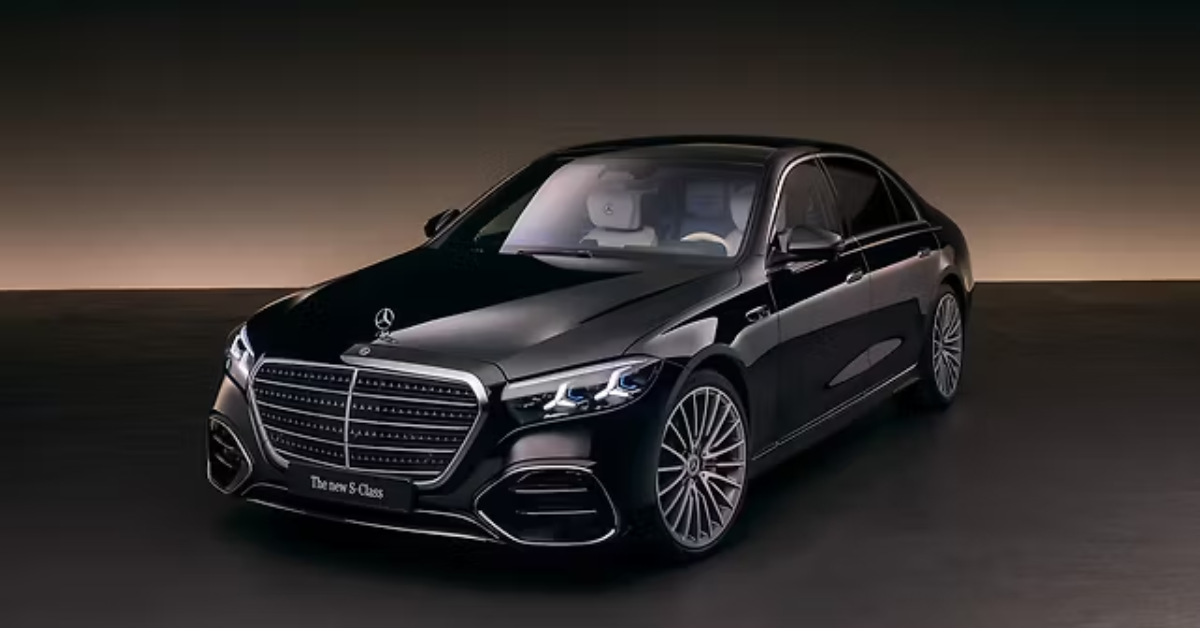
The global automotive industry is racing toward electrification, but not everyone is sprinting at the same pace. One of the clearest examples of this measured approach is the new Mercedes-Benz S-Class powertrain strategy, which highlights how luxury carmakers are carefully balancing innovation with real-world demand.
Rather than committing fully to all-electric drivetrains, the S-Class continues to support multiple powertrain options, reflecting the industry’s growing realization that electrification is not a one-size-fits-all solution—especially in the luxury segment.
The S-Class: A Technology Benchmark
For decades, the Mercedes-Benz S-Class has served as a technology leader for the entire automotive industry. Features that debut on the S-Class often trickle down to more affordable models years later.
Because of this role, every strategic decision around the S-Class sends a strong signal about where the industry is headed. Mercedes’ choice to retain internal combustion engines and hybrids alongside EVs is not hesitation—it is strategic caution.
Understanding the New S-Class Powertrain Strategy
Mercedes-Benz has adopted a multi-path approach for the S-Class, offering:
- Advanced petrol and diesel engines
- Plug-in hybrid electric vehicles (PHEVs)
- Dedicated electric luxury models under the EQ brand
Instead of replacing the S-Class with an all-electric version, Mercedes positions the EQ flagship models as parallel offerings. This allows buyers to choose based on infrastructure, usage, and personal preference.
Why Luxury Buyers Are Not Fully Ready for EVs
While EV adoption is rising, luxury car buyers have unique expectations:
- Long-distance comfort without charging anxiety
- Instant refuelling convenience
- Silent yet powerful performance
- High resale value
In many markets, charging infrastructure is still inconsistent. For buyers spending premium amounts, even minor inconvenience can be a dealbreaker. This reality is influencing how brands like Mercedes plan their powertrain future.

Hybrid Powertrains as a Strategic Middle Ground
Plug-in hybrids play a crucial role in the S-Class strategy.
They offer:
- Electric-only driving for city use
- Long-range flexibility for highways
- Lower emissions without lifestyle compromise
For many luxury customers, hybrids represent the best of both worlds, making them a safer transition technology than full EVs.
Regulatory Pressure vs Market Reality
Governments around the world are pushing for zero-emission vehicles through:
- Stricter emission norms
- EV incentives and subsidies
- ICE phase-out timelines
However, automakers must balance regulations with consumer readiness. Mercedes’ cautious approach reflects an understanding that forcing rapid change could alienate loyal customers.
By keeping multiple powertrain options alive, the S-Class remains compliant while still commercially viable.
The Role of Dedicated Electric Platforms
Instead of electrifying the S-Class itself, Mercedes has invested heavily in dedicated EV platforms under its EQ lineup.
This strategy allows:

- Better battery packaging
- Optimized weight distribution
- EV-specific luxury features
It also ensures that electric models are not compromised versions of ICE cars, preserving the premium experience expected at this level.
Cost, Profitability, and Long-Term Sustainability
Luxury cars rely heavily on high margins, and EV development is expensive. Battery costs, software development, and charging ecosystems require massive investment.
By continuing to sell ICE and hybrid S-Class models, Mercedes:
- Maintains strong profit margins
- Funds EV research and development
- Reduces financial risk during the transition phase
This phased approach supports long-term brand sustainability.
What This Means for the Wider Auto Industry
The S-Class powertrain strategy reflects a broader industry trend:
- Electrification will be gradual, not abrupt
- Hybrids will remain relevant longer than expected
- Consumer demand will shape timelines more than announcements
Other luxury brands are likely to follow similar paths, offering diverse powertrain choices instead of enforcing a single solution.
Impact on Emerging Markets
In emerging markets, infrastructure challenges are even more pronounced. Luxury customers in these regions value:
- Reliability
- Service accessibility
- Proven technology
The continued availability of ICE and hybrid S-Class models ensures these markets remain viable for luxury brands during the EV transition.

Future Outlook: Evolution, Not Revolution
Mercedes-Benz has not abandoned electrification—it has simply chosen evolution over revolution. The S-Class powertrain strategy suggests that the future of luxury mobility will be:
- Flexible
- Customer-centric
- Technology-agnostic
Electric vehicles will eventually dominate, but only when infrastructure, affordability, and consumer confidence align.
Final Verdict: A Smart, Calculated Move
The new S-Class powertrain strategy is a reflection of industry maturity, not resistance to change. By offering petrol, hybrid, and electric options, Mercedes-Benz ensures that luxury buyers are not forced into compromises.
In an era of uncertainty, this cautious yet forward-looking approach could prove to be the most sustainable path toward electrification—not just for Mercedes, but for the entire luxury automotive industry.