
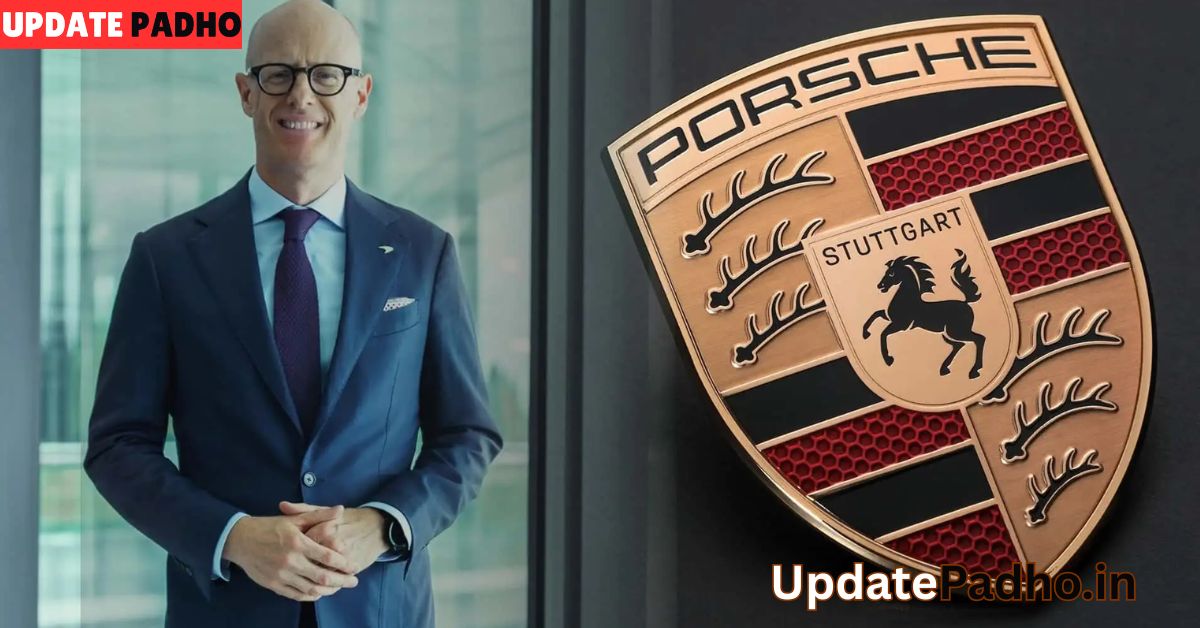
The appointment of a new CEO at Porsche in 2026 has sparked intense debate across the automotive industry. Known for its iconic sports cars and a legacy of engineering excellence, Porsche now faces a crossroads: should it cling to tradition or embrace radical innovation? The new leadership appears determined to push boundaries, but critics argue this approach might bury the very heritage that made Porsche legendary.
A Legacy of Precision and Passion
For decades, Porsche has been synonymous with performance, precision, and timeless design. Models like the 911 and the Cayenne have not only defined categories but also cultivated a loyal fan base. Porsche’s DNA has always been about balancing tradition with progress—evolving without losing sight of its roots.
The concern now is whether the new CEO’s vision risks tipping that balance too far toward disruption, potentially alienating enthusiasts who value Porsche’s heritage.
The New CEO’s Vision
Early signals suggest that Porsche’s new leadership is focused on:

- Electrification: Expanding the EV lineup beyond the Taycan, with ambitions to make electric power central to Porsche’s future.
- Digital Transformation: Integrating AI-driven systems, autonomous features, and connected car technologies.
- Global Expansion: Targeting new markets, particularly in Asia and the Middle East, with tailored models.
- Sustainability Goals: Aligning Porsche with broader Volkswagen Group initiatives on carbon neutrality.
While these priorities align with industry trends, they raise questions about whether Porsche’s soul—the visceral thrill of driving—will survive the transition.
The Risk of Losing Identity
Porsche’s strength has always been its ability to deliver cars that feel alive. Enthusiasts worry that an overemphasis on electrification and automation could dilute this essence.
- Driving Experience: Will electric and autonomous models capture the raw excitement of a 911 on a winding road?
- Design Language: Can futuristic aesthetics coexist with Porsche’s timeless design cues?
- Brand Loyalty: Long-time fans may resist changes that feel too radical, especially if heritage models are sidelined.
The fear is that Porsche could become another tech-driven automaker, losing the unique identity that sets it apart.
Industry Context
The automotive industry is undergoing a seismic shift. Competitors like Tesla, BMW, and Mercedes-Benz are racing ahead with electrification and digital innovation. For Porsche, standing still is not an option. The challenge lies in innovating without erasing tradition.

Other brands have faced similar dilemmas. Ford revived the Bronco by blending nostalgia with modern features, while Ferrari cautiously integrates hybrid technology without compromising performance. Porsche’s new CEO must navigate this delicate balance.
Opportunities Amid Challenges
Despite concerns, Porsche’s transformation could unlock new opportunities:
- Broader Market Appeal: Electric SUVs and sedans could attract younger buyers and eco-conscious consumers.
- Technological Leadership: Porsche could set benchmarks in performance-oriented EVs, just as it did with sports cars.
- Sustainability Leadership: Aligning with global climate goals enhances Porsche’s reputation as a forward-thinking brand.
If executed carefully, innovation could strengthen Porsche’s legacy rather than bury it.
Final Thoughts
The arrival of Porsche’s new CEO marks a pivotal moment in the company’s history. The fear that tradition might be buried is real, but so is the opportunity to redefine what Porsche means in the 21st century.

The challenge is not whether Porsche can innovate—it has always done so—but whether it can innovate without losing the essence of its brand. Enthusiasts will be watching closely, hoping that the roar of tradition continues to echo even in an electrified future.