
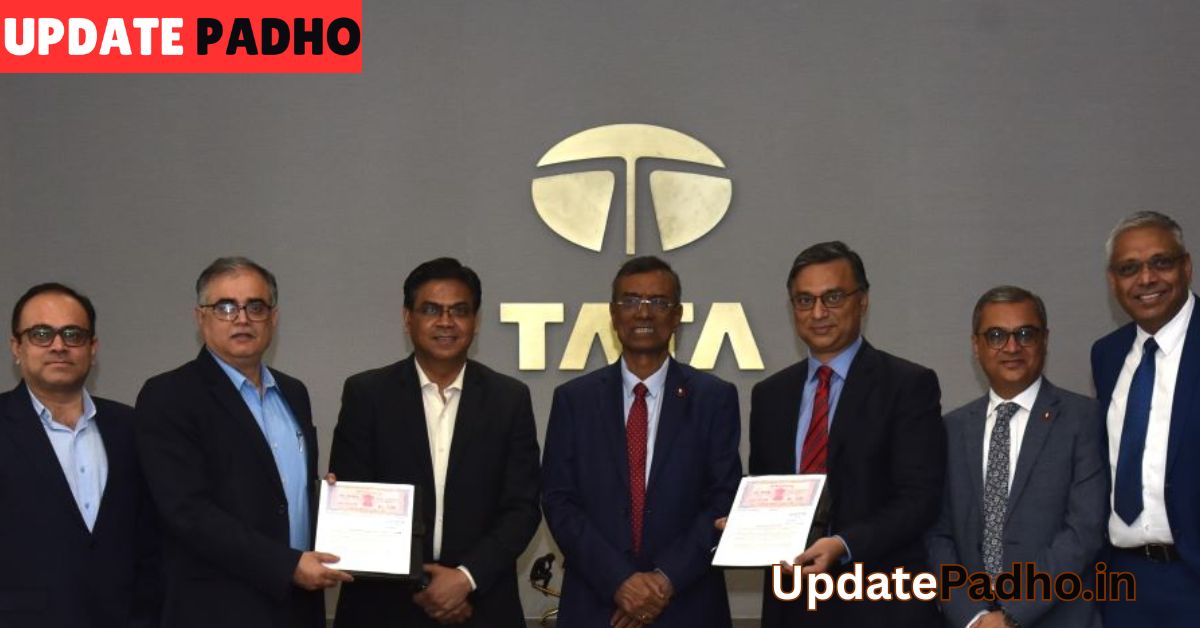
Tata Motors and Stellantis have signed a new Memorandum of Understanding (MoU) to expand and deepen their long‑standing collaboration in India and selected global markets. The agreement builds on a two‑decade partnership under the 50:50 joint venture Fiat India Automobiles Private Limited (FIAPL) and aims to explore broader cooperation across manufacturing, engineering, and supply‑chain activities.
Why the MoU Matters
This MoU is significant for several reasons. First, it formalizes an intent to move beyond the transactional aspects of a joint venture and toward strategic alignment on technology sharing, platform development, and localized sourcing. Second, it signals both companies’ intent to leverage India as a manufacturing and engineering hub for regional exports and future product programs. Finally, the renewed pact comes at a time when global automakers are rethinking supply chains and partnerships to accelerate electrification and cost‑efficient production.
Historical Context and Scale
Tata Motors and Stellantis (and its predecessor entities) have collaborated in India for roughly 20 years through FIAPL, producing more than 1.37 million vehicles since the venture began. The JV currently employs nearly 5,000 people and produces in excess of 220,000 vehicles per year, underscoring the industrial scale and mutual dependence that make deeper collaboration attractive.

Areas of Focus Under the MoU
The MoU outlines several practical domains where the partners will explore joint initiatives:
- Manufacturing Optimization — Shared use of plants, capacity planning, and joint investments to improve asset utilization and reduce per‑unit costs.
- Engineering Collaboration — Co‑development of platforms, powertrains, and modular architectures that can be localized for India and exported to other markets.
- Supply Chain and Sourcing — Joint procurement strategies and supplier development programs to strengthen resilience and lower input costs.
These focus areas reflect common industry priorities: scale economies, faster product development cycles, and supply‑chain robustness in an era of component shortages and rising localization demands.
Strategic Benefits for Both Parties
For Tata Motors the MoU offers access to complementary technologies, global platforms, and engineering expertise that can accelerate product refresh cycles and support exports. For Stellantis, the partnership provides deeper access to India’s manufacturing base, a large domestic market, and Tata’s growing capabilities in cost‑effective vehicle architectures. Together, the companies can pursue win‑win outcomes such as shared R&D costs, faster time‑to‑market, and improved competitiveness against global rivals.

Potential Impacts on Products and Jobs
If the collaboration advances into concrete projects, consumers could see more competitively priced models, faster introduction of new variants, and potentially more India‑designed vehicles for export. On the employment front, deeper cooperation could preserve and even expand manufacturing and engineering jobs by increasing plant utilization and enabling new product programs. However, the exact product roadmap and job impacts will depend on the specific projects that emerge from the MoU and subsequent commercial agreements.
Challenges and Considerations
While the MoU sets an ambitious agenda, several practical challenges remain:
- Execution Risk — An MoU is a statement of intent; converting it into binding projects requires detailed commercial agreements, capital allocation, and governance mechanisms.
- Technology Transfer and IP — Joint engineering work must carefully manage intellectual property, standards, and long‑term ownership of jointly developed assets.
- Market and Regulatory Uncertainty — Shifts in emissions rules, trade policy, or incentives for electrification could change the economics of proposed collaborations.
Addressing these issues will require disciplined project management, transparent governance, and clear commercial incentives for both partners.

What Comes Next
The MoU is the starting point for negotiations on specific programs. Stakeholders should expect a phased approach: pilot projects or joint engineering studies first, followed by investment decisions for manufacturing or platform co‑development. Observers will watch for announcements about shared platforms, export plans, or new model programs that concretely demonstrate the partnership’s value.
Conclusion
The renewed MoU between Tata Motors and Stellantis is a pragmatic response to the automotive industry’s current imperatives: scale, localization, and faster product development. By formalizing a broader collaboration across manufacturing, engineering, and supply chains, both companies are positioning themselves to compete more effectively in India and beyond. The real test will be in execution—turning intent into tangible products, investments, and jobs that benefit consumers and the industry alike.