
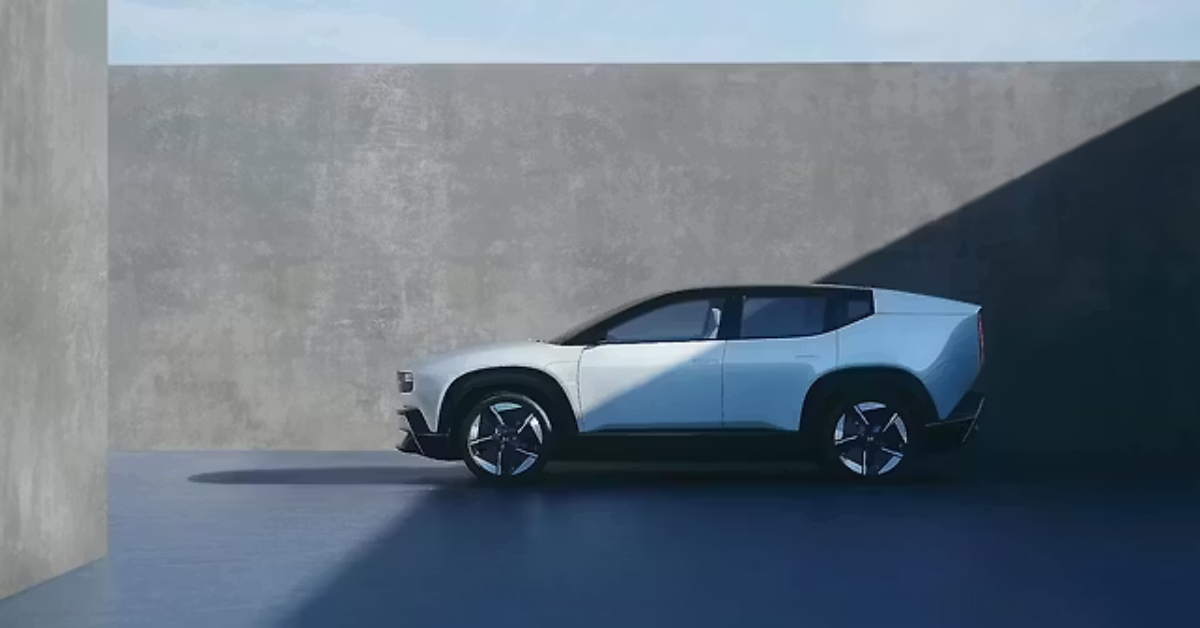
The global automobile industry is undergoing a major transformation as companies shift towards electric mobility. In a surprising development, Honda has decided to cancel three upcoming electric vehicles that were under development for international markets.
However, despite this decision, the company has confirmed that its long-term plans for the Indian automobile market will continue as planned. This announcement highlights Honda’s strategic shift in its global electric vehicle roadmap while maintaining its focus on growth in emerging markets like India.
The move has sparked discussions among automobile experts and EV enthusiasts who are closely watching how major automakers are adjusting their strategies in the rapidly evolving electric vehicle industry.
Why Honda Cancelled the Three EV Models
Electric vehicles require huge investments in research, development, and production infrastructure. Automakers often review their product strategies to ensure long-term sustainability and profitability.
Honda decided to scrap three upcoming EV models after reassessing global market conditions and customer demand.
Several factors influenced this decision.
Changing Market Demand
While EV adoption is increasing worldwide, demand has slowed in certain regions. High battery costs, limited charging infrastructure, and fluctuating government incentives have made the EV market unpredictable in some countries.
This situation has forced automakers to reconsider the timing and scale of their electric vehicle launches.
Rising Development Costs
Developing advanced electric vehicles requires significant investment in battery technology, software systems, and production facilities. Rising costs of raw materials such as lithium and nickel have also impacted EV manufacturing.
To avoid unnecessary financial risks, Honda has decided to streamline its EV development plans.
Strategic Repositioning
Instead of launching too many models at once, Honda is focusing on building a more flexible strategy that includes hybrids, electric vehicles, and new mobility technologies.
This approach allows the company to respond more effectively to changes in global automobile trends.

Honda’s Global Electric Vehicle Vision
Even though the company cancelled three EV models, Honda has not abandoned its electric vehicle ambitions.
The company still plans to invest heavily in electrification and advanced mobility solutions over the next decade.
Honda’s long-term goal is to achieve carbon neutrality across its global operations by 2050. To reach this target, the company plans to expand its lineup of electrified vehicles, including hybrids, plug-in hybrids, and fully electric models.
The company is also investing in next-generation battery technology, improved vehicle software systems, and new manufacturing processes.
These innovations will help Honda remain competitive in the rapidly evolving automobile industry.
India Remains a Key Focus for Honda
Despite cancelling certain global EV projects, Honda has confirmed that its plans for India remain unchanged.
India is one of the fastest-growing automobile markets in the world, and the demand for modern vehicles is increasing rapidly. For this reason, the company considers India an important market for its future growth.
Several factors make India attractive for Honda’s expansion strategy.
Growing Automobile Demand
The Indian middle class continues to grow, leading to increased demand for cars with advanced technology and premium features.
Government Support for EVs
The Indian government is actively promoting electric mobility through policies and incentives designed to encourage EV adoption.
Manufacturing Opportunities
India also offers strong manufacturing capabilities and export opportunities for global automobile companies.
Because of these advantages, Honda plans to continue investing in the Indian market with new products and technologies.

Upcoming Honda Vehicles in India
While the cancelled EV models were intended for other markets, Honda still has several exciting plans for India.
The company is expected to introduce new SUVs, hybrid vehicles, and eventually electric cars tailored specifically for Indian consumers.
Currently, Honda’s Indian lineup includes popular models such as the Honda City, Honda Amaze, and Honda Elevate.
These vehicles are known for their reliability, smooth driving experience, and advanced safety features.
Honda is also expected to launch upgraded versions of these models along with new hybrid technologies to improve fuel efficiency and reduce emissions.
Hybrid Technology Could Play a Major Role
One of Honda’s key strategies for markets like India could be expanding hybrid vehicles.
Hybrid cars combine a petrol engine with an electric motor to deliver improved fuel efficiency and lower emissions without requiring a full charging infrastructure.
For countries where EV charging networks are still developing, hybrid vehicles can provide a practical solution for customers looking for eco-friendly mobility.
Honda has already introduced strong hybrid technology in the Honda City e:HEV, which has received positive feedback for its performance and fuel efficiency.
This success indicates that hybrid technology could become a major part of Honda’s future product lineup in India.
Impact on the Automobile Industry
Honda’s decision to cancel some EV projects reflects a broader trend within the global automobile industry.
Many manufacturers are now taking a more cautious approach toward electric vehicle expansion. Instead of rapidly launching multiple EV models, companies are focusing on sustainable growth and technological readiness.

This shift highlights the challenges involved in transitioning from traditional fuel-powered vehicles to fully electric mobility.
However, the long-term direction of the industry still points toward electrification, with EVs expected to become increasingly common in the coming decades.
Future Outlook for Honda
Looking ahead, Honda remains committed to innovation and sustainable mobility.
The company plans to introduce next-generation electric vehicles, expand hybrid technology, and develop new digital vehicle platforms that improve driving experience and efficiency.
India will continue to play an important role in Honda’s global strategy as the market grows and demand for advanced vehicles increases.
With new SUVs, hybrids, and future EV models in development, Honda is preparing for the next phase of transformation in the automobile industry.
Conclusion
Although Honda has cancelled three upcoming electric vehicles globally, the company’s overall vision for electrification remains strong.
The decision reflects a strategic adjustment rather than a retreat from electric mobility. By focusing on hybrid technology, advanced vehicle platforms, and regional market strategies, Honda aims to maintain its competitive position in the global automobile industry.
Most importantly, the company has confirmed that its plans for India will remain unchanged, ensuring that Indian customers can expect exciting new Honda vehicles in the years ahead.
As the automobile industry continues to evolve, Honda’s balanced approach may help it successfully navigate the transition toward a cleaner and more sustainable future.