
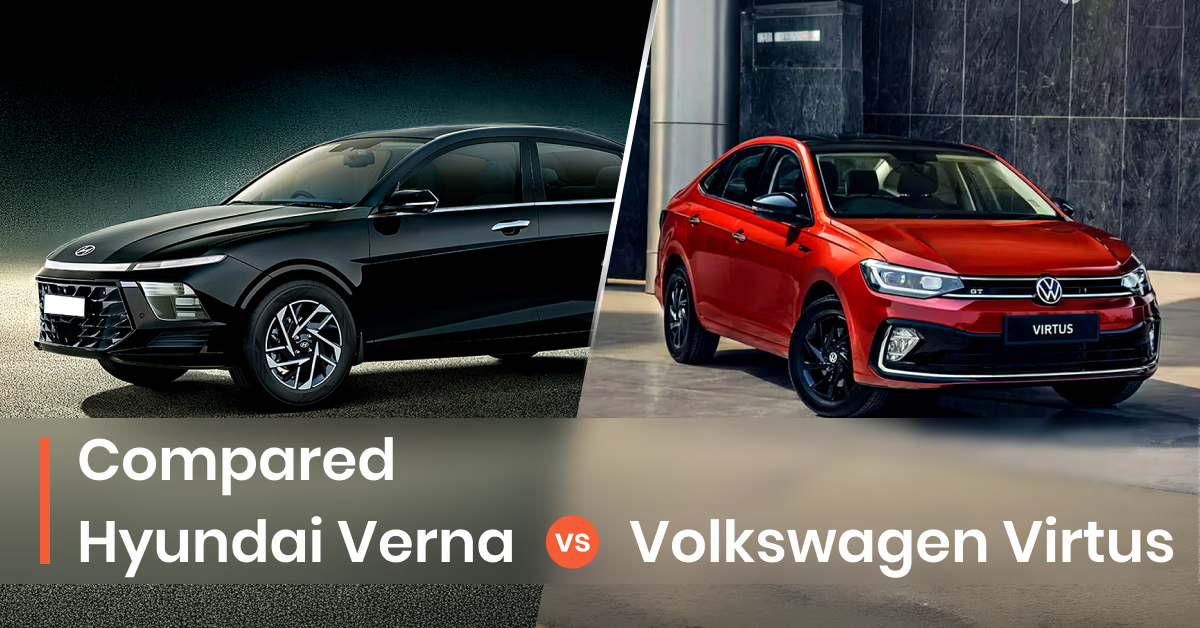
The mid-size sedan segment in India is witnessing a strong comeback, and two models leading the charge are the Hyundai Verna 2026 facelift and the Volkswagen Virtus. Both sedans offer powerful turbo engines, premium interiors, and modern technology, making them top choices for buyers looking for a stylish yet practical car.
But the real question is — which sedan offers more value for your money in 2026?
Let’s break down this detailed comparison across performance, features, comfort, mileage, and overall ownership experience.
1. Design & Styling: Futuristic vs Timeless
The Hyundai Verna 2026 comes with a bold and futuristic design. Its wide front grille, sleek LED light bar, and sharp body lines give it a sporty and aggressive appeal. It is clearly designed to attract younger buyers who want a modern-looking sedan.
In contrast, the Volkswagen Virtus follows a more classic European design. Clean lines, a balanced silhouette, and a premium finish give it a sophisticated look that appeals to mature buyers.
Verdict:
- Verna → Sporty, bold, eye-catching
- Virtus → Elegant, classy, timeless
2. Engine & Performance: Turbocharged Battle
Both sedans offer strong engine options, but there are key differences.
Hyundai Verna 2026 Engine Options:
- 1.5L Naturally Aspirated Petrol – 115 PS
- 1.5L Turbo Petrol – 160 PS
Volkswagen Virtus Engine Options:
- 1.0L TSI Turbo Petrol – 115 PS
- 1.5L TSI Turbo Petrol – 150 PS
The Verna’s turbo engine produces more power, making it one of the fastest sedans in the segment. It offers quick acceleration and a more exciting drive.
The Virtus, however, focuses on driving dynamics and stability. Its suspension and steering feel more connected, especially at higher speeds.

Verdict:
- Verna → Higher power, faster acceleration
- Virtus → Better handling and driving feel
3. Transmission Options: Comfort vs Sportiness
Hyundai Verna Offers:
- 6-speed Manual
- IVT (CVT Automatic)
- 7-speed DCT
Volkswagen Virtus Offers:
- Manual
- 6-speed Automatic
- 7-speed DSG
The Verna’s IVT gearbox is smoother in traffic, making it ideal for city driving. Meanwhile, the Virtus DSG gearbox is tuned for performance and quick gear shifts.
Verdict:
- Verna → Smooth and comfortable
- Virtus → Sporty and responsive
4. Features & Technology: Clear Winner
When it comes to features, the Verna clearly takes the lead.
Hyundai Verna Key Features:
- Dual large digital displays
- Ventilated front seats
- Level-2 ADAS safety features
- Premium sound system
- 360-degree camera
- Ambient lighting
Volkswagen Virtus Features:
- Touchscreen infotainment system
- Digital instrument cluster
- Ventilated seats
- Sunroof
While the Virtus offers essential features, it lacks advanced technologies like ADAS and a 360-degree camera.
Verdict:
👉 Winner – Hyundai Verna
It offers more premium features and advanced technology.
5. Interior Space & Comfort
Both sedans are spacious, but the Verna has a slight edge.
- Verna: Better rear seat comfort, wider cabin
- Virtus: Good space but slightly tighter at the rear
Boot Space:
- Verna → 528 litres
- Virtus → 521 litres
Verdict:
- Verna → Better for families and long trips
- Virtus → Adequate but not class-leading
6. Mileage & Efficiency
Fuel efficiency is important for Indian buyers, and both cars perform well.

- Verna Turbo → Around 20 km/l (claimed)
- Virtus Turbo → Around 19–20 km/l
The difference is minimal, but the Verna offers slightly better efficiency with higher power.
Verdict:
👉 Slight Advantage – Hyundai Verna
7. Pricing & Value for Money
Pricing plays a major role in decision-making.
- Verna → Competitive pricing with more features
- Virtus → Slightly higher pricing in top variants
The Verna offers more value due to its feature-rich package and lower overall cost for similar specs.
Verdict:
👉 Best Value – Hyundai Verna
8. Driving Experience: Comfort vs Driving Fun
This is where the biggest difference lies.
- Hyundai Verna: Focuses on comfort, smoothness, and ease of driving
- Volkswagen Virtus: Focuses on driving engagement and performance
Verdict:
- City driving → Verna
- Enthusiast driving → Virtus
Final Verdict: Which Sedan Should You Buy?
Choosing between the Hyundai Verna 2026 and Volkswagen Virtus depends on your needs.

Choose Hyundai Verna 2026 If You Want:
✔ More features and latest technology
✔ Better value for money
✔ Comfortable ride quality
✔ Higher engine power
Choose Volkswagen Virtus If You Want:
✔ Superior driving dynamics
✔ Strong build quality feel
✔ Sporty handling
✔ Premium European styling
Conclusion
Both the Verna and Virtus are excellent sedans, but they cater to different audiences.
The Hyundai Verna 2026 is a feature-packed, powerful, and value-driven sedan, making it ideal for most buyers. On the other hand, the Volkswagen Virtus is a driver-focused car, perfect for those who love being behind the wheel.
If your priority is technology, comfort, and overall value, the Verna is the better choice. But if you prioritize driving pleasure and precision, the Virtus remains unbeatable.