
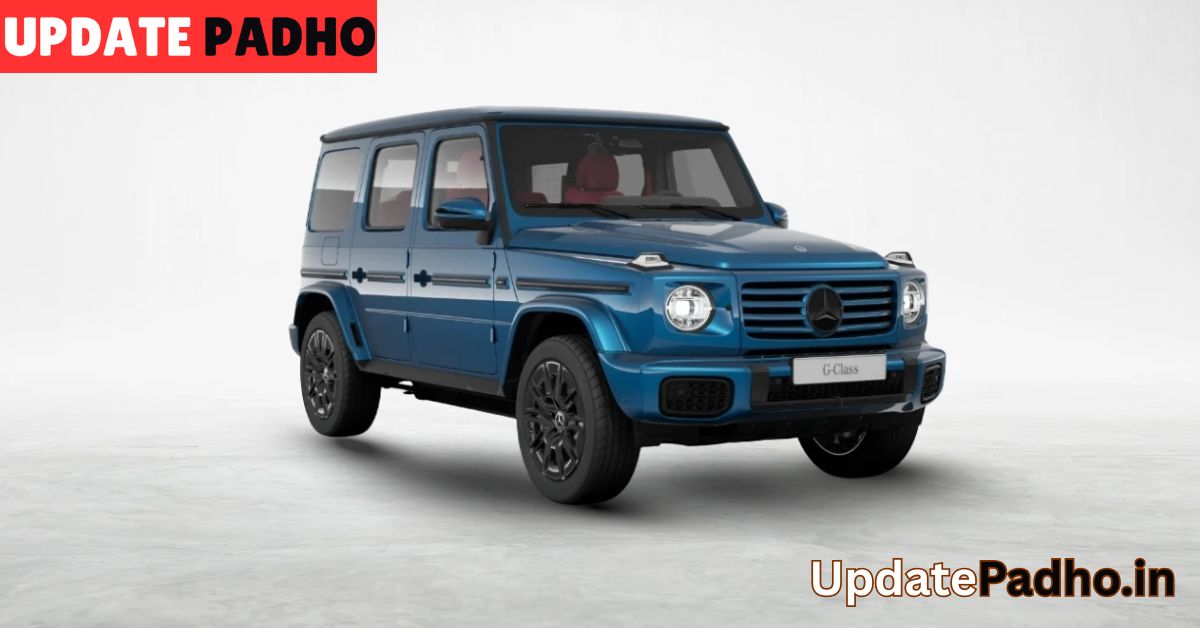
The Mercedes-Benz G-Wagen (Geländewagen) has been defined by two things: its unapologetic, boxy silhouette and its tank-like curb weight. It is a vehicle that doesn’t just occupy space; it commands it with several tons of German-engineered steel. However, as we move through 2026, a new trend is reshaping the “G-Class” identity—one that swaps heavy-duty metal for the high-tech, lightweight weave of carbon fiber.
Whether you are looking at the factory-fresh AMG models or the radical “Widetrack” sculptures from top-tier tuners, carbon fiber has become the ultimate tool for refining the world’s most iconic SUV.
From Aerospace to Asphalt: Why Carbon Fiber?
At its core, carbon fiber is a miracle of material science. It is up to five times stronger than steel and twice as stiff, yet it weighs only a fraction of the amount. In the world of supercars, this is used to shave milliseconds off lap times. On a 5,500-pound G-Wagen, the benefits are more about presence, thermal management, and “the look.”
Modern G-Wagens, particularly the 2026 G63, are utilizing pre-preg carbon fiber. This material is pre-impregnated with resin and cured under high pressure, ensuring a flawless surface finish and structural integrity that won’t yellow or warp under the sun. It’s no longer just a decorative sticker; it’s a functional upgrade.

The Factory Evolution: AMG’s Carbon Touches
Mercedes-AMG hasn’t ignored the call for composites. For the current model year, the AMG Exterior Carbon-Fibre Package has become one of the most coveted boxes to check on the order sheet. This factory trim swaps out the standard brushed aluminum or plastic for high-gloss carbon fiber on the:
- Spare wheel cover: Transforming the rear “backpack” into a centerpiece.
- Mirror housings: Providing a sleek, aerodynamic contrast to the boxy doors.
- Simulated underguard: Adding a touch of motorsport grit to the front and rear bumpers.
Inside, the transformation continues. The AMG Performance Steering Wheel now frequently features carbon fiber grips combined with microfiber, paired with massive carbon fiber dash inlays that remind the driver they are piloting a V8-powered beast.
The Aftermarket Artisans: Larte, Brabus, and Urban
While the factory options are elegant, the aftermarket is where the G-Wagen truly sheds its skin. Performance houses like Brabus and Larte Design have recently released full-body carbon kits for the 2026 G63 that turn the SUV into a “Carbon Sculpture.”
1. The Carbon “Powerdome” Hood
The centerpiece of many modern builds is a fully exposed carbon fiber hood. Beyond the striking visual of the weave, these hoods often feature functional louvers and air vents designed to pull heat away from the 4.0L Biturbo V8 engine, keeping performance consistent during spirited drives.

2. Widening the Stance
Companies like Urban Automotive have introduced “Widetrack” kits that include over 40 individual carbon components. These kits replace the standard wheel arches with flared carbon fiber versions, making the G-Wagen look broader and more planted without adding the heavy weight of traditional widebody materials.
3. The Details: From Handles to Light Bars
For the true enthusiast, no detail is too small. You can now find:
- Carbon Fiber LED Roof Bars: Improving visibility for off-road excursions.
- Exposed Diffusers: Giving the rear of the G-Wagen a race-inspired finish.
- Carbon Door Handles: A tactile reminder of the vehicle’s high-tech construction every time you step inside.
Is it Worth the Investment?
Carbon fiber on a G-Wagen is admittedly a paradox. You aren’t going to turn a three-ton SUV into a featherweight racer by changing the hood. However, you are investing in durability and exclusivity. Carbon fiber doesn’t rust, it resists minor dings better than thin sheet metal, and its resale value in the luxury market remains exceptionally high.
More importantly, it offers a way to personalize a vehicle that has become a common sight in luxury ZIP codes. In a sea of black G-Wagens, the subtle shimmer of a carbon weave under the streetlights is what sets a “stock” vehicle apart from a “bespoke” masterpiece.

The Future of the G-Class
As the electric G 580 with EQ Technology begins to dominate the market, carbon fiber will transition from a luxury choice to a necessity. To offset the weight of massive battery packs, we expect Mercedes to lean even harder into composites to maintain the G-Wagen’s legendary performance.
The G-Wagen has always been a vehicle of “more”—more power, more luxury, and more presence. By embracing carbon fiber, it proves it can also be a vehicle of “better,” blending its 1970s heritage with 21st-century technology.