
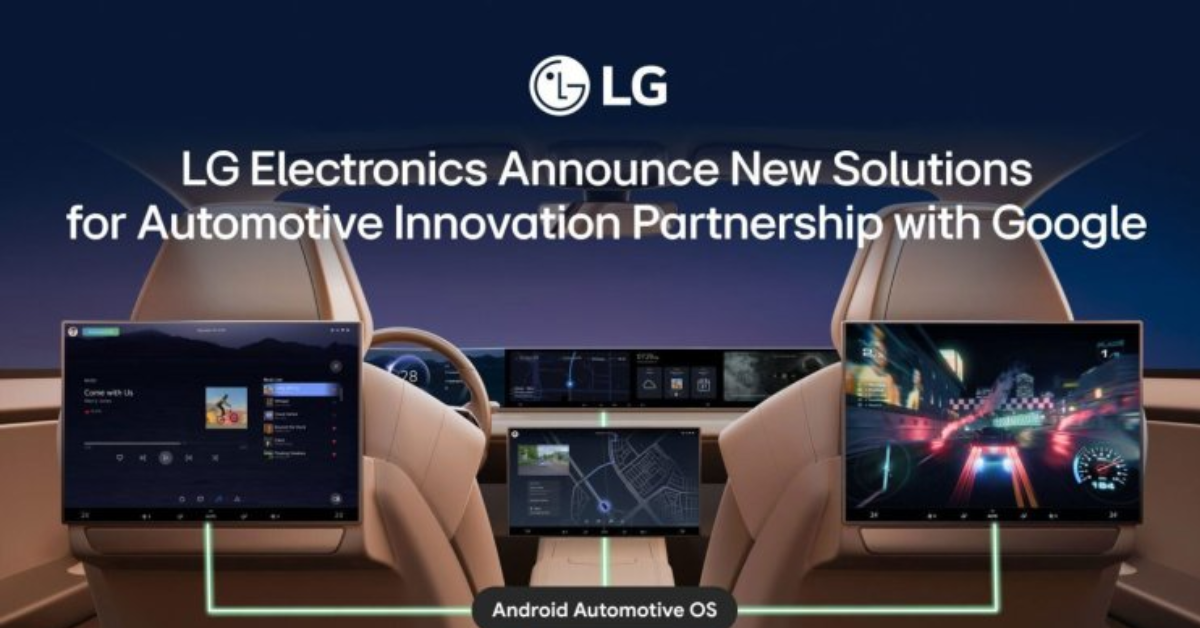
The automotive industry is rapidly evolving into a technology-driven ecosystem where vehicles are no longer just machines for transportation. Modern cars are becoming smarter, more connected, and highly digitalized. Taking another major step toward the future of connected mobility, LG has officially unveiled its new Android-based multi screen infotainment system for cars.
The new infotainment platform focuses on providing drivers and passengers with a premium digital experience through multiple displays, intelligent connectivity, advanced entertainment options, and seamless smartphone integration. With the rise of software-defined vehicles and smart mobility solutions, LG’s latest innovation highlights how technology companies are playing a crucial role in shaping the future of automobiles.
The advanced system is expected to improve in-car entertainment, navigation, communication, and user interaction while offering a more personalized driving experience.
Rise of Smart Infotainment Systems in Modern Cars
Over the past decade, infotainment systems have become one of the most important features in modern vehicles. Buyers today expect cars to offer technology similar to smartphones and smart devices.
Features like:
- Large touchscreens
- Voice assistants
- Wireless connectivity
- Streaming services
- Navigation systems
- Connected apps
- AI-based personalization
have now become standard expectations in premium as well as mass-market vehicles.
Automobile manufacturers are increasingly focusing on digital cockpit experiences because consumers spend more time interacting with screens and connected technologies inside vehicles.
LG’s new Android-based infotainment platform is designed to address these changing customer expectations while supporting the next generation of connected and intelligent vehicles.
Multi Screen Setup Creates Premium Digital Cabin
One of the biggest highlights of LG’s new system is the multi screen setup integrated across the vehicle cabin.
Unlike traditional infotainment systems that rely on a single central display, LG’s platform introduces a more immersive digital environment using multiple screens positioned strategically inside the vehicle.
The system may include:
- Large central infotainment display
- Fully digital instrument cluster
- Passenger entertainment screen
- Rear-seat entertainment displays
- Heads-up display integration
- Smart climate control panels
This multi-screen layout creates a futuristic cabin experience similar to luxury premium vehicles.
Passengers can access entertainment features independently, while drivers receive important driving information without distraction. The setup also improves multitasking by allowing navigation, media, and vehicle controls to operate simultaneously across different screens.
Android-Based Operating System Improves Flexibility
The new infotainment system is based on the Android platform, which offers greater flexibility, compatibility, and software scalability.
Android-based automotive systems provide several advantages including:

- Easy app integration
- Faster software updates
- Familiar user interface
- Improved smartphone connectivity
- Access to cloud-based services
- Better customization options
The Android ecosystem allows automakers and technology developers to continuously upgrade features through software improvements rather than hardware replacements.
This approach aligns with the growing trend of software-defined vehicles where software plays a major role in enhancing vehicle functionality throughout ownership.
Artificial Intelligence and Smart Connectivity
Artificial intelligence is becoming a central component of modern infotainment systems, and LG’s latest platform focuses heavily on AI-powered features.
The infotainment system is expected to support:
- Intelligent voice commands
- Personalized user profiles
- Predictive navigation suggestions
- Smart entertainment recommendations
- AI-based climate preferences
- Driver behavior learning systems
The use of AI helps create a more intuitive and personalized in-car experience.
For example, the system can automatically adjust music preferences, seating settings, navigation routes, and climate controls based on user habits. This level of personalization improves convenience and overall user satisfaction.
Connected technology also enables seamless integration with smartphones, wearable devices, cloud platforms, and smart home ecosystems.
Advanced Entertainment Experience for Passengers
Modern buyers increasingly expect premium entertainment experiences inside vehicles, especially during long-distance travel.
LG’s multi-screen infotainment system focuses on improving passenger entertainment through:
- High-resolution displays
- Video streaming support
- Gaming compatibility
- Wireless media sharing
- Bluetooth audio connectivity
- Premium sound system integration
Rear-seat passengers can enjoy independent entertainment options without affecting driver controls.
As autonomous driving technology develops further in the future, in-car entertainment systems are expected to become even more important. Vehicles may eventually function as mobile entertainment and productivity spaces rather than simple transportation machines.
LG’s new platform appears designed with this future vision in mind.
Seamless Smartphone Integration
Smartphone connectivity has become essential in modern vehicles.
LG’s Android-based infotainment system is expected to support:
- Wireless Android Auto
- Apple CarPlay compatibility
- Wireless charging integration
- Smart device synchronization
- Mobile app controls
- Cloud-based account access
This allows users to access navigation, calls, music, messaging, and apps directly through the car’s interface.

The seamless integration improves convenience while reducing distractions during driving.
Consumers today expect their digital lifestyle to continue smoothly inside the car, and advanced infotainment platforms are becoming critical for meeting those expectations.
Importance of Software in Future Vehicles
The automotive industry is shifting rapidly from hardware-focused development to software-centered innovation.
Modern vehicles now depend heavily on software for:
- Infotainment systems
- Safety features
- Battery management
- Autonomous driving
- Connectivity services
- Navigation systems
- Vehicle diagnostics
Companies like LG are becoming increasingly important because automobile manufacturers require advanced software expertise to compete in the smart mobility era.
Software updates can now improve vehicle functionality even after purchase, creating a continuously evolving ownership experience.
LG’s latest infotainment platform highlights how automotive technology is becoming more digital and software-driven.
Impact on Electric and Autonomous Vehicles
Electric vehicles and autonomous driving technologies are accelerating the demand for advanced infotainment systems.
EV buyers typically prefer:
- Futuristic interiors
- Large digital displays
- Connected ecosystems
- AI-powered interfaces
- Smart navigation systems
Autonomous vehicles will likely depend even more on infotainment and digital interaction because passengers will spend less time focusing on driving.
LG’s multi-screen infotainment platform appears well-positioned to support future EVs and next-generation autonomous mobility solutions.
The integration of AI, connectivity, cloud computing, and multiple displays creates a foundation for smarter transportation systems.
Competition in the Automotive Technology Industry
The automotive infotainment sector has become highly competitive with major technology companies investing heavily in connected mobility.
Companies are competing in areas such as:
- AI integration
- Smart cockpit systems
- Autonomous vehicle interfaces
- Connected services
- Digital ecosystems
- Voice assistant technology
Automakers are partnering with technology firms to improve user experiences and create software-driven vehicles.

LG’s new infotainment system strengthens its position in the rapidly growing automotive electronics and smart mobility market.
Future of In-Car Digital Experience
The future of automobiles is expected to focus heavily on digital transformation.
Upcoming vehicle cabins may include:
- Full-width display panels
- Augmented reality interfaces
- Advanced voice assistants
- AI-generated personalization
- Smart productivity tools
- Immersive entertainment ecosystems
Cars are gradually transforming into connected digital living spaces.
The integration of Android-based multi-screen infotainment platforms reflects how consumer expectations are changing rapidly. Buyers now evaluate vehicles not only based on engine performance or design but also on digital experience and connectivity features.
Final Verdict
LG’s new Android-based multi screen infotainment system represents a major step forward in automotive technology and connected mobility.
The platform combines advanced displays, artificial intelligence, smart connectivity, entertainment features, and software flexibility to create a premium digital driving experience.
As vehicles continue evolving into intelligent and software-driven machines, infotainment systems will become one of the most important aspects of modern automobiles.
LG’s latest innovation highlights the growing relationship between the technology and automotive industries while showing how the future of transportation will be shaped by digital ecosystems, AI-powered interfaces, and connected experiences.
For consumers, this means future cars will offer smarter, safer, and more immersive driving environments than ever before.