
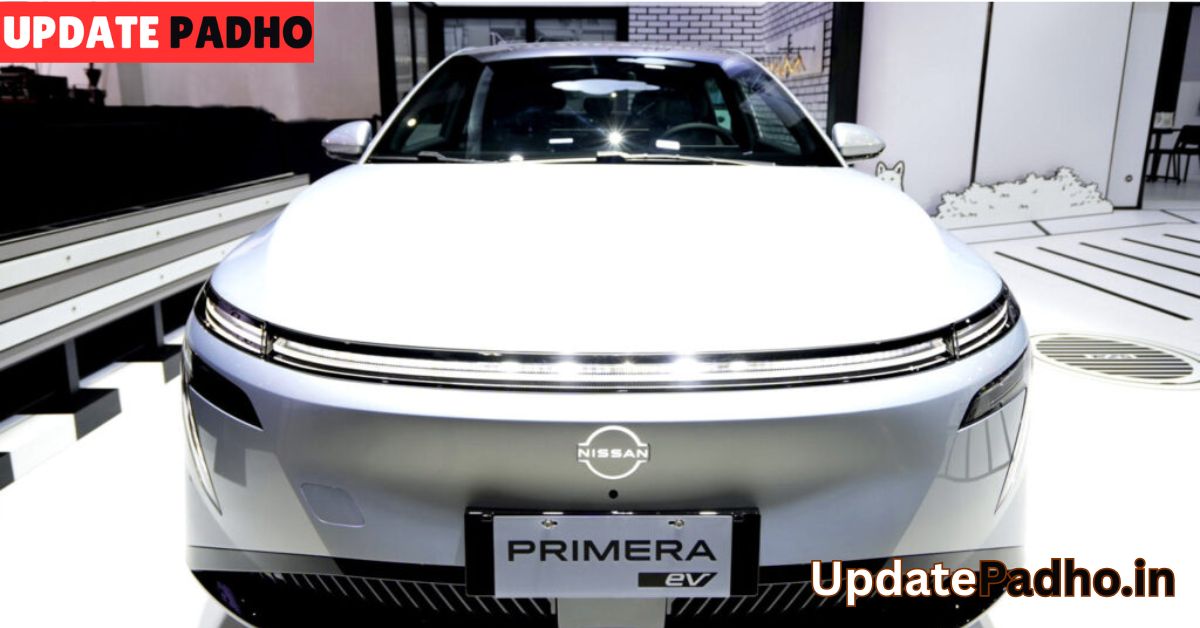
When discussing iconic Japanese sedans, names like the Toyota Camry, Honda Accord, and Nissan Altima often dominate the conversation. However, one vehicle that deserves far more recognition is the Nissan Primera. Produced between 1990 and 2007, the Primera represented Nissan’s commitment to engineering excellence, practicality, and driving enjoyment. Although it may not have achieved the same global fame as some of its competitors, the Primera left a lasting impression on drivers who valued comfort, reliability, and innovative design.
The Birth of the Nissan Primera
The Nissan Primera was introduced in 1990 as a replacement for the Nissan Bluebird in many international markets. Designed primarily for Europe, the Primera was developed to compete with popular family sedans such as the Ford Mondeo, Volkswagen Passat, and Opel Vectra. Nissan invested heavily in research and development to ensure the Primera met the expectations of European drivers, who often demanded superior handling and road performance.
The first-generation Primera, known as the P10, quickly gained praise for its balanced suspension, responsive steering, and solid build quality. Unlike many family sedans of the era, the Primera offered an engaging driving experience without sacrificing comfort.
Design Evolution Through the Years
Over its three generations, the Nissan Primera underwent significant design changes. The first-generation model featured a conservative yet elegant appearance that appealed to a broad audience. Its clean lines and practical layout made it a popular choice among families and business users alike.
The second-generation Primera, introduced in 1996, refined the formula with improved safety features, upgraded interior materials, and enhanced ride quality. Nissan focused on making the vehicle more comfortable while maintaining its reputation for dependable performance.

The most dramatic transformation came with the third-generation P12 model, launched in 2001. This version featured a bold and futuristic design that stood out from competitors. The distinctive dashboard, unique center console, and advanced technology made the P12 one of the most innovative sedans in its segment. While the styling divided opinions, it demonstrated Nissan’s willingness to take risks and push design boundaries.
Performance and Driving Experience
One of the Primera’s strongest attributes was its driving dynamics. Nissan engineers prioritized handling and stability, resulting in a sedan that felt confident on highways and winding roads alike.
The Primera was offered with a variety of petrol and diesel engines, providing options for different driving needs. Petrol engines ranged from economical 1.6-liter units to more powerful 2.0-liter variants, while diesel options delivered impressive fuel efficiency and strong torque for long-distance travel.
Drivers often praised the Primera for its smooth ride quality and precise steering. The suspension setup struck an excellent balance between comfort and control, making it suitable for both daily commuting and extended road trips. Even today, many enthusiasts remember the Primera as one of the best-handling family sedans of its time.
Innovation Ahead of Its Time
The third-generation Primera showcased Nissan’s innovative spirit. It introduced several features that were considered advanced for the early 2000s. One notable innovation was the rear-view camera system, which was rare in mainstream vehicles at the time. Today, backup cameras are standard equipment in many cars, but the Primera was among the early adopters of this technology.

The vehicle also featured an integrated information display, navigation options, and a modern dashboard layout that emphasized functionality and ease of use. These technological advancements helped distinguish the Primera from its competitors and demonstrated Nissan’s forward-thinking approach.
Reliability and Ownership Experience
Reliability has always been a hallmark of Japanese automobiles, and the Nissan Primera was no exception. Owners frequently reported that the vehicle could accumulate high mileage with proper maintenance. The engines were generally durable, and replacement parts were widely available in many markets.
Routine servicing was straightforward, contributing to reasonable ownership costs. This combination of reliability and affordability made the Primera a practical choice for families, professionals, and fleet operators.
While some later models experienced occasional electronic issues, the overall reputation of the Primera remained positive. Many examples continue to operate on roads around the world, a testament to the vehicle’s robust engineering.
Legacy of the Nissan Primera
Although Nissan discontinued the Primera in 2007, its legacy remains significant. The model played a crucial role in strengthening Nissan’s presence in European markets and showcased the company’s ability to create vehicles tailored to regional preferences.

Today, the Primera is appreciated by automotive enthusiasts who recognize its blend of practicality, innovation, and driving enjoyment. Well-maintained examples are increasingly valued by collectors seeking unique Japanese vehicles from the 1990s and early 2000s.
Conclusion
The Nissan Primera may not be the most famous sedan ever produced, but it remains one of Nissan’s most interesting and underrated achievements. With its strong reliability, comfortable ride, advanced technology, and impressive handling characteristics, the Primera offered a compelling package that appealed to a wide range of drivers.
For those looking back at automotive history, the Nissan Primera serves as a reminder that some of the best vehicles are not always the most celebrated. Its combination of innovation, practicality, and driving pleasure ensures that it will continue to be remembered as a standout model in Nissan’s rich automotive heritage.