
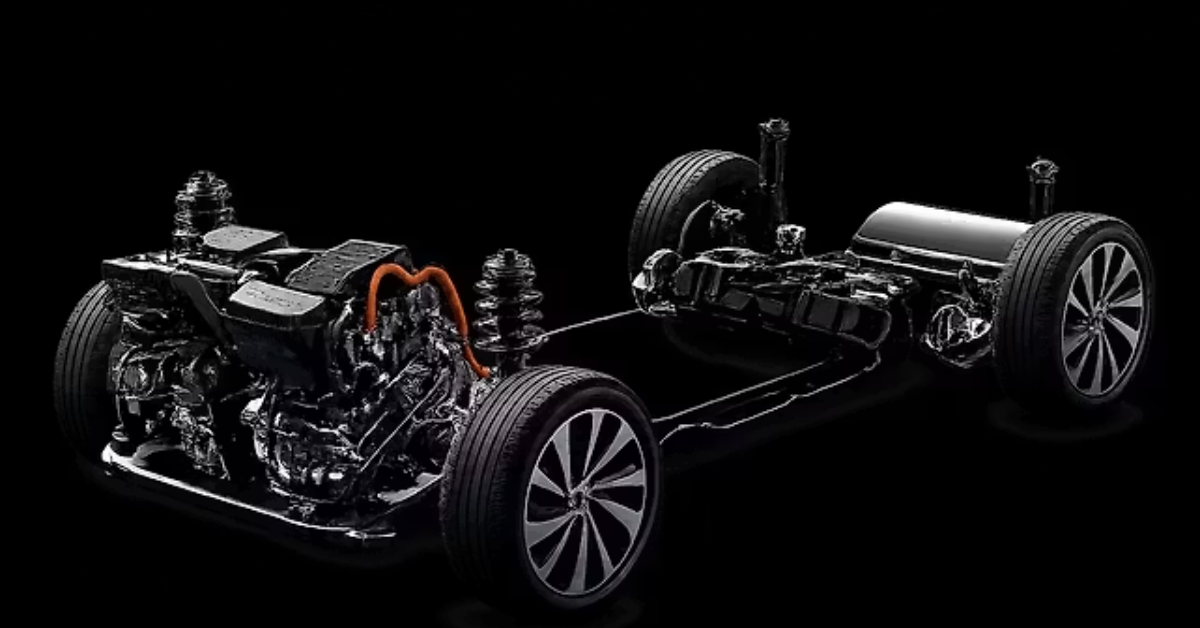
The automotive industry is undergoing one of the biggest transformations in its history. While fully electric vehicles continue to gain popularity, many consumers still worry about charging infrastructure, range anxiety, and long-distance travel convenience. To bridge the gap between traditional fuel-powered vehicles and pure electric cars, manufacturers are investing heavily in advanced plug-in hybrid technologies.
Among the most talked-about innovations is BYD’s latest plug-in hybrid system, which claims to deliver a driving range of more than 1,200 kilometers on a full tank of fuel and a fully charged battery. Such figures have attracted significant attention from automotive enthusiasts, industry experts, and potential buyers worldwide.
But how exactly does this technology work? How can a vehicle travel such an extraordinary distance without frequent refueling or charging stops? Let’s explore the engineering, technology, and benefits behind BYD’s advanced hybrid system.
Understanding Plug-in Hybrid Technology
Before examining BYD’s system specifically, it is important to understand what a plug-in hybrid vehicle (PHEV) is.
A plug-in hybrid combines two power sources:
- An internal combustion engine
- An electric motor powered by a rechargeable battery
Unlike conventional hybrids, plug-in hybrids can be charged externally using home chargers or public charging stations.
This allows the vehicle to operate in pure electric mode for daily commuting while retaining a fuel-powered engine for extended journeys.
The result is a balance between efficiency, practicality, and convenience.
Why Driving Range Matters
One of the biggest concerns among car buyers is driving range.
Many consumers hesitate to switch to fully electric vehicles because they worry about:
- Charging availability
- Long-distance travel limitations
- Charging time requirements
- Battery depletion during road trips
A vehicle capable of traveling over 1,200 kilometers significantly reduces these concerns.
Such range allows drivers to:
- Travel between cities comfortably
- Reduce refueling frequency
- Enjoy greater flexibility
- Experience fewer interruptions during long journeys
This is one of the primary reasons BYD’s hybrid technology has generated considerable interest.
The Core Philosophy Behind BYD’s Hybrid System
BYD’s plug-in hybrid technology is designed around one key objective:
Maximizing Efficiency Without Sacrificing Performance
Rather than relying solely on the petrol engine or electric motor, the system intelligently determines which power source should be used under different driving conditions.
This dynamic energy management helps achieve:
- Lower fuel consumption
- Better performance
- Extended driving range
- Improved overall efficiency
The vehicle continuously optimizes energy usage in real time.
Advanced Battery Technology
The battery is one of the most important components of any plug-in hybrid vehicle.
High-Efficiency Energy Storage
BYD’s advanced battery technology is designed to offer:
- Greater energy density
- Improved thermal management
- Enhanced durability
- Faster charging capability
- Longer lifespan
These improvements allow the battery to store more usable energy while maintaining consistent performance.

Electric-Only Driving Capability
One of the biggest advantages of a modern plug-in hybrid is its ability to drive without using fuel for shorter trips.
Benefits include:
- Zero fuel consumption during local commuting
- Reduced operating costs
- Lower emissions
- Quiet driving experience
For many urban users, daily travel can often be completed primarily using electric power.
Intelligent Power Management System
Perhaps the most impressive aspect of BYD’s technology is its intelligent energy management system.
How It Works
The vehicle constantly analyzes factors such as:
- Vehicle speed
- Battery charge level
- Driver inputs
- Road conditions
- Traffic situations
Based on this information, the system decides how to utilize available power most efficiently.
Examples include:
- Electric mode during city driving
- Hybrid mode during mixed conditions
- Engine assistance during high-speed cruising
- Regenerative energy recovery during braking
This intelligent switching helps maximize overall range.
Highly Efficient Petrol Engine
Although the electric components receive significant attention, the petrol engine plays an equally important role.
Optimized for Efficiency
The engine is specifically engineered to:
- Consume less fuel
- Work efficiently with the electric motor
- Deliver consistent performance
- Minimize energy waste
Instead of functioning as the primary source of propulsion all the time, the engine works strategically alongside the electric system.
This partnership is one of the key reasons behind the impressive range figures.
Powerful Electric Motor Performance
Electric motors provide several advantages over traditional engines.
Instant Torque Delivery
Benefits include:
- Faster acceleration
- Smooth power delivery
- Improved urban drivability
- Enhanced responsiveness
The electric motor can provide immediate power whenever required.
This not only improves efficiency but also creates a more enjoyable driving experience.
Reduced Engine Workload
By assisting the petrol engine during acceleration and demanding driving situations, the electric motor helps reduce fuel consumption.
This cooperation between the two systems contributes significantly to overall efficiency.
Regenerative Braking Technology
Another major contributor to the vehicle’s long range is regenerative braking.
Recovering Energy That Would Otherwise Be Lost
In conventional vehicles, braking converts kinetic energy into heat.

Regenerative braking captures a portion of that energy and converts it into electricity.
Benefits include:
- Improved energy efficiency
- Additional battery charging
- Reduced energy waste
- Extended driving range
Every stop becomes an opportunity to recover usable energy.
Over hundreds of kilometers, these savings become substantial.
Aerodynamic Efficiency
Vehicle design also plays a critical role in achieving long driving ranges.
Reducing Air Resistance
Modern aerodynamic engineering helps:
- Lower drag
- Improve fuel economy
- Enhance battery efficiency
- Increase overall range
Features often include:
- Streamlined body panels
- Optimized airflow management
- Carefully designed wheel structures
- Reduced turbulence
Even small aerodynamic improvements can have a significant impact during long-distance travel.
Multiple Driving Modes
Modern plug-in hybrid systems typically offer various driving modes.
Electric Mode
Ideal for:
- Urban commuting
- Traffic conditions
- Short-distance travel
This mode prioritizes battery power.
Hybrid Mode
Designed for:
- Mixed driving conditions
- Balanced efficiency
- Everyday use
The system automatically combines engine and electric power.
Performance Mode
Provides:
- Maximum acceleration
- Enhanced responsiveness
- Stronger power delivery
Drivers can choose the mode that best matches their needs.
Lower Running Costs
One of the biggest attractions of advanced plug-in hybrids is reduced operating expenses.
Fuel Savings
The combination of electric driving and efficient hybrid operation can significantly lower fuel consumption.
Benefits include:
- Fewer fuel station visits
- Lower monthly expenses
- Reduced long-term ownership costs
Reduced Maintenance Requirements
Electric motors experience less mechanical wear than traditional engines.
This can contribute to:

- Improved reliability
- Lower maintenance needs
- Better long-term durability
Addressing Range Anxiety
Range anxiety remains one of the largest barriers to EV adoption.
BYD’s hybrid technology addresses this issue effectively.
Advantages include:
- Long-distance capability
- Backup petrol engine
- Charging flexibility
- Reduced dependency on charging infrastructure
Drivers can enjoy many benefits of electric mobility without worrying about being stranded.
This combination appeals to consumers who are not yet ready to transition fully to electric vehicles.
Environmental Benefits
Although plug-in hybrids still use fuel, they can significantly reduce emissions compared to conventional vehicles.
Benefits include:
- Lower fuel consumption
- Reduced carbon emissions
- Increased electric driving
- Improved energy efficiency
For many consumers, plug-in hybrids represent a practical step toward cleaner transportation.
Why This Technology Matters for the Future
The automotive industry is moving toward electrification, but the transition will take time.
Challenges still exist, including:
- Charging infrastructure expansion
- Consumer adoption rates
- Battery costs
- Long-distance charging convenience
Advanced plug-in hybrid systems help bridge these gaps by offering a balanced solution.
They combine:
- Electric efficiency
- Fuel-powered flexibility
- Long driving range
- Practical everyday usability
This makes them highly attractive in many global markets.
Final Verdict
BYD’s advanced plug-in hybrid technology demonstrates how modern engineering can dramatically improve vehicle efficiency without compromising practicality. By intelligently combining a high-efficiency petrol engine, advanced battery technology, powerful electric motors, regenerative braking, and sophisticated energy management systems, the company has created a hybrid solution capable of delivering more than 1,200 kilometers of driving range.
The technology addresses many of the concerns that still prevent some buyers from adopting fully electric vehicles. It offers electric driving for daily commutes, exceptional fuel efficiency for longer trips, and the flexibility of traditional refueling when necessary.
As the automotive world continues its transition toward electrification, systems like BYD’s advanced plug-in hybrid platform may play a crucial role in helping consumers embrace cleaner, more efficient transportation. For buyers seeking long range, lower running costs, reduced emissions, and everyday practicality, this technology represents one of the most compelling innovations currently available in the automotive industry.