
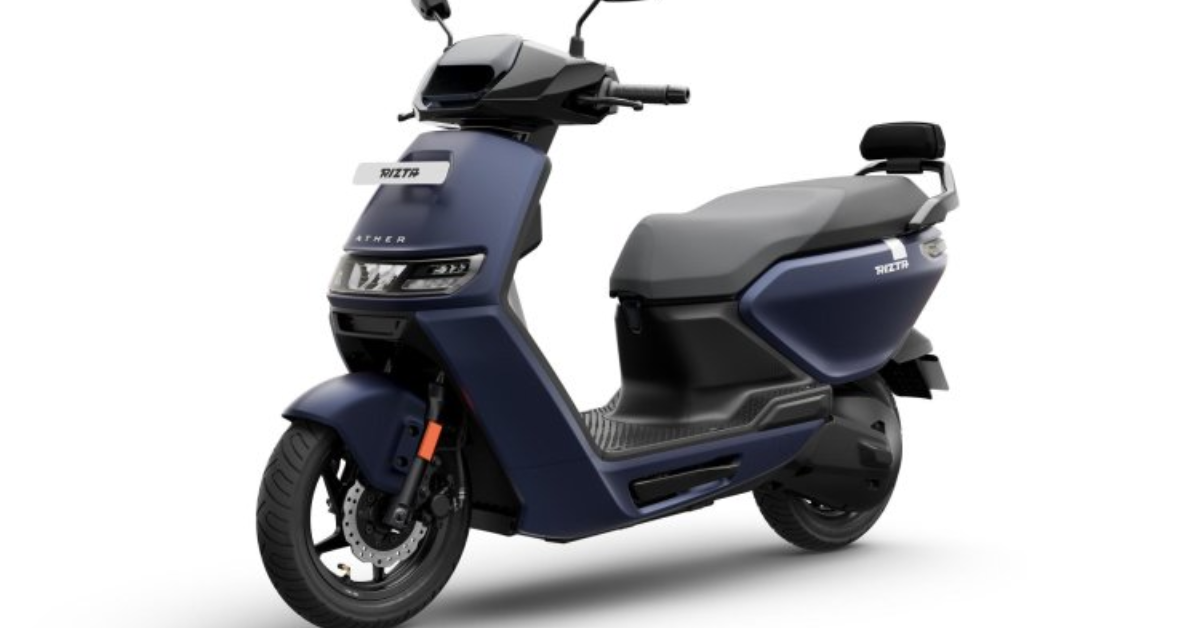
India’s electric vehicle market is preparing for a significant shift as Ather Energy confirms a price hike for its electric scooters starting January 2026. The announcement has drawn attention from consumers, industry experts, and potential EV buyers who have been closely tracking pricing trends in the rapidly evolving electric two-wheeler segment.
As one of India’s leading premium electric scooter manufacturers, Ather’s decision highlights growing cost pressures across the EV ecosystem. Rising input costs, evolving regulatory norms, and increasing technology investments are reshaping the pricing structure of electric mobility in India.
Ather’s Position in India’s EV Market
Ather Energy has established itself as a premium electric mobility brand, known for performance-focused scooters, advanced software integration, fast charging infrastructure, and connected features. Its scooters appeal primarily to urban commuters seeking technology-driven, sustainable transportation.
Over the years, Ather has positioned its products as high-quality alternatives to conventional petrol scooters, offering benefits such as lower running costs, zero tailpipe emissions, and cutting-edge digital experiences. However, premium positioning also means greater exposure to cost fluctuations.
Why Ather Is Increasing Prices
The upcoming price hike from January 2026 is not an isolated decision. It reflects broader challenges faced by the electric vehicle industry. Several key factors are driving the increase:
1. Rising Battery Costs
Lithium-ion batteries remain the most expensive component of electric scooters. Volatility in raw material prices such as lithium, cobalt, and nickel has directly impacted manufacturing costs.
2. Advanced Technology Integration
Modern electric scooters now feature sophisticated software, touchscreen dashboards, connected services, and advanced safety systems. Continuous innovation requires substantial investment, which ultimately influences pricing.
3. Compliance with Regulations
Evolving safety standards, battery certification requirements, and quality benchmarks have increased development and production expenses for EV manufacturers.

4. Manufacturing and Supply Chain Pressures
Global supply chain disruptions, inflation, and logistics costs continue to affect component sourcing and production efficiency.
What This Means for EV Buyers
For consumers planning to switch to electric scooters, the Ather price hike serves as a crucial signal. Buyers may need to reconsider timelines, financing options, and long-term cost benefits.
While upfront prices are set to rise, electric scooters still offer strong value through:
- Lower fuel expenses
- Reduced maintenance costs
- Long-term savings compared to petrol vehicles
- Government incentives (where applicable)
However, the psychological impact of higher sticker prices could influence purchasing decisions, especially among first-time EV buyers.
Impact on the Electric Two-Wheeler Market
Ather’s price hike could have ripple effects across the Indian electric two-wheeler industry. As a benchmark brand, its pricing decisions often influence market expectations.
Potential industry outcomes include:
- Other premium EV brands adjusting prices
- Increased competition in the value-for-money EV segment
- Stronger focus on financing, leasing, and subscription models
- Greater emphasis on cost optimization and local sourcing
The move also signals a gradual transition of EVs from early-adoption pricing to more realistic, cost-reflective levels.
Will Demand Be Affected?
While price hikes typically slow short-term demand, long-term EV adoption is expected to remain strong. Urban consumers continue to prioritize sustainability, fuel savings, and technology-driven mobility solutions.

Ather’s loyal customer base, brand trust, and charging ecosystem may help cushion the impact of higher prices. Buyers seeking performance, reliability, and premium features may still view Ather scooters as a worthwhile investment.
Financing and Ownership Costs
To offset higher upfront costs, manufacturers and lenders are increasingly offering:
- Flexible EMI plans
- Low-interest EV loans
- Subscription-based ownership models
- Battery warranty and service packages
These options help make premium electric scooters more accessible, even as prices rise.
From a total cost of ownership perspective, electric scooters remain competitive due to minimal running and servicing expenses over time.
Ather’s Long-Term Strategy
The price hike aligns with Ather Energy’s broader long-term strategy of focusing on quality, technology leadership, and sustainable growth rather than aggressive price wars. The company continues to invest in product development, charging infrastructure, and software enhancements.
By prioritizing innovation and reliability, Ather aims to maintain its position in the premium EV space while adapting to economic realities.
Broader Implications for India’s EV Transition
India’s EV journey is entering a more mature phase. Initial affordability-driven adoption is gradually giving way to a focus on durability, safety, and technological sophistication.
Price adjustments like Ather’s reflect a market that is stabilizing and aligning closer with global EV economics. As manufacturing scales improve and battery technology evolves, pricing may eventually stabilize again.

Should You Buy Before January 2026?
For consumers already considering an Ather electric scooter, purchasing before the January 2026 price hike could offer cost advantages. Locking in current prices, financing schemes, or exchange offers may result in meaningful savings.
However, buyers should also weigh upcoming product updates, feature enhancements, and personal usage requirements before making a decision.
Conclusion
The Ather price hike effective January 2026 marks a significant moment for India’s electric two-wheeler market. While higher prices may initially concern buyers, the move reflects rising production costs, advanced technology integration, and the growing maturity of the EV ecosystem.
For consumers, the key takeaway is clear: electric scooters remain a smart long-term mobility solution, even as upfront costs increase. Ather’s focus on performance, innovation, and quality ensures that its products continue to deliver strong value in an increasingly competitive EV landscape.
As India accelerates toward electric mobility, pricing adjustments like these are part of the journey toward a more sustainable and technologically advanced future.