
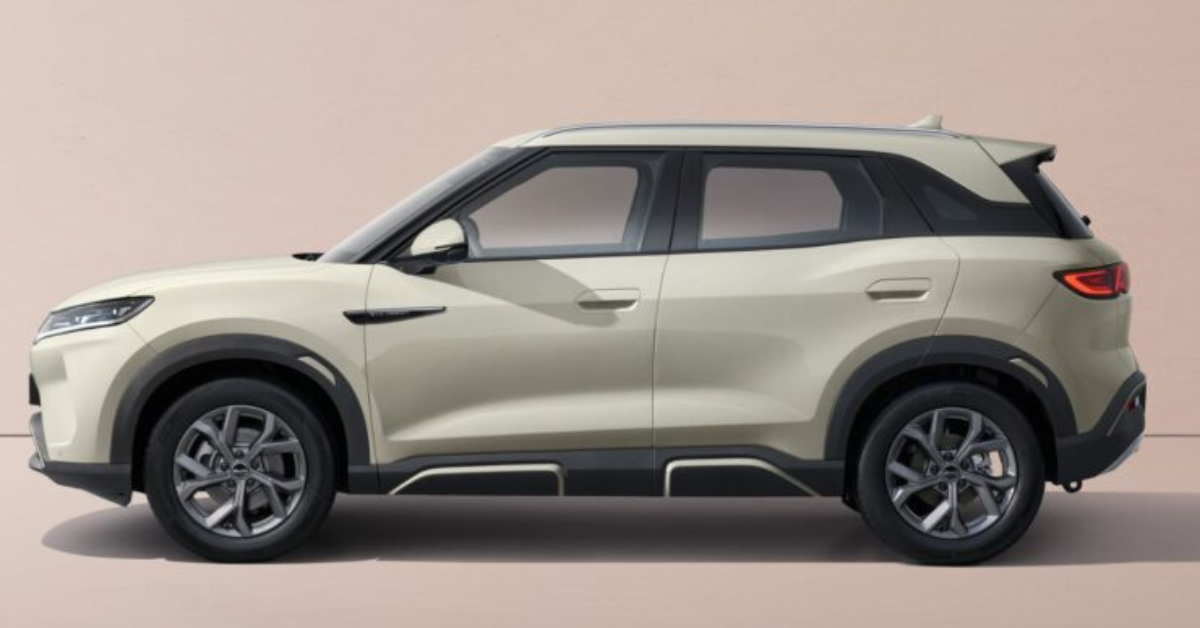
In a dramatic shift within the global automotive industry, BYD has officially surpassed Tesla to become the world’s best-selling electric vehicle (EV) manufacturer in 2025. Even more significantly, BYD has overtaken legacy automotive giant Ford Motor Company in overall vehicle sales — marking a historic turning point in the electric mobility revolution.
This milestone reflects not just a quarterly win but a fundamental transformation in global automotive economics, EV manufacturing strategy, and battery technology leadership. Let’s break down how BYD achieved this unprecedented dominance — and what it signals for the future of sustainable transportation.
The Global EV Market in 2025: A Turning Point
The electric vehicle market has been expanding at a rapid pace over the past decade. Government incentives, stricter emission norms, consumer awareness, and technological advancements have accelerated the transition toward zero-emission mobility.
By 2025, global EV adoption reached record-breaking levels, driven by:
- Advanced lithium iron phosphate (LFP) battery technology
- Increased charging infrastructure
- Competitive EV pricing
- Lower total cost of ownership (TCO)
- Corporate ESG (Environmental, Social, Governance) mandates
In this competitive landscape, BYD capitalized on vertical integration and aggressive global expansion to move ahead of Tesla — long considered the face of the EV revolution.
How BYD Overtook Tesla
1. Vertical Integration Strategy
One of BYD’s strongest competitive advantages is its vertical integration model. Unlike many automakers that rely heavily on third-party suppliers, BYD manufactures:
- Batteries
- Semiconductors
- Electric motors
- Power control units
This control over the supply chain significantly reduces production costs and shields the company from global semiconductor shortages and raw material disruptions.
Tesla, while innovative in software and autonomous technology, depends more on external suppliers — making it more vulnerable to supply fluctuations.
2. Affordable EV Portfolio
Tesla has primarily focused on the premium EV segment. BYD, on the other hand, built a diversified portfolio ranging from entry-level EVs to premium electric SUVs and luxury sedans.
By offering:
- Affordable city EVs
- Mid-range electric sedans
- Premium electric SUVs
- Plug-in hybrid electric vehicles (PHEVs)
BYD captured a wider demographic — particularly in emerging markets where affordability is crucial.

This broader price segmentation enabled BYD to scale global EV sales rapidly.
3. Battery Innovation & Blade Technology
BYD’s proprietary “Blade Battery” has been a game-changer in the EV industry. Known for:
- Improved thermal safety
- Higher durability
- Extended lifecycle
- Cost efficiency
The Blade Battery uses LFP chemistry, which offers a balance of safety and longevity at lower cost compared to traditional nickel-cobalt batteries.
This technological edge strengthened BYD’s value proposition in a market increasingly concerned with battery safety and sustainability.
4. Aggressive Global Expansion
While Tesla remains strong in North America and Europe, BYD aggressively expanded into:
- Southeast Asia
- Latin America
- Middle East
- India
- European markets
By setting up local assembly plants and forging strategic partnerships, BYD accelerated international growth — directly challenging both Tesla and traditional automakers.
Its rapid international expansion significantly boosted total EV deliveries in 2025.
Overtaking Ford: Why It Matters
Surpassing Ford is symbolically powerful. Ford represents over a century of automotive manufacturing legacy. For an EV-first Chinese company to exceed Ford’s global vehicle sales demonstrates the scale of disruption in the industry.
This shift signals:
- EV manufacturers are no longer niche players
- Legacy internal combustion engine (ICE) companies must accelerate electrification
- The center of automotive innovation is shifting toward Asia
The global automotive hierarchy is being rewritten.
Revenue, Market Capitalization & Financial Performance
BYD’s rise isn’t just about sales volume — it also reflects strong financial growth:
- Increased automotive revenue
- Improved operating margins
- Expanding battery supply contracts
- Strong government support in China
Although Tesla still maintains significant global brand value and strong market capitalization, BYD’s consistent volume growth positions it as a dominant force in global automotive revenue streams.
Investors now view BYD as a strategic long-term player in the clean energy and electric mobility sector.
Tesla’s Position in 2025
Tesla remains a technological powerhouse. Its strengths include:
- Advanced autonomous driving software
- Over-the-air updates
- Strong Supercharger network
- Brand recognition
- Innovation in AI-driven mobility
However, Tesla’s relatively limited model range and premium pricing strategy may have slowed its volume expansion compared to BYD’s diversified approach.
The competition between Tesla and BYD is no longer about survival — it is about global dominance.
What This Means for the EV Industry
BYD becoming the best-selling EV manufacturer in 2025 has major implications:
1. Pricing Pressure Across Markets
Other automakers will face pricing pressure as BYD demonstrates cost-effective EV production at scale.
2. Accelerated Battery Innovation
Competitors will invest heavily in safer, longer-lasting battery technology.
3. Supply Chain Localization
More manufacturers may adopt vertical integration strategies to protect margins.
4. Faster Electrification Timelines
Traditional automakers may speed up their EV transition plans to avoid losing market share.
The Rise of Chinese EV Manufacturers
BYD’s victory also represents a broader shift: Chinese automakers are no longer seen merely as cost-focused producers — they are now technology leaders in electric mobility.

China’s investments in:
- Battery manufacturing
- EV charging infrastructure
- Clean energy policy
- Government incentives
Have created a strong domestic foundation, allowing companies like BYD to scale globally.
Future Outlook: Can BYD Maintain Leadership?
Sustaining the top position will require:
- Continued innovation
- Strong quality control
- Expansion of global manufacturing
- Competitive pricing strategy
- Regulatory compliance in Western markets
The EV industry remains dynamic, and competition will intensify as global players invest billions in electric platforms.
Tesla, Ford, and other automakers are unlikely to concede leadership without a fight.
Final Verdict: A Defining Moment in Automotive History
BYD overtaking Tesla and Ford in 2025 marks a defining moment in automotive history. It highlights the rapid transformation from fossil-fuel dependency to electric mobility dominance.
What once seemed improbable — a Chinese EV company leading global vehicle sales — has now become reality.
As the world shifts toward carbon-neutral transportation and sustainable innovation, BYD’s ascent symbolizes the new era of automotive competition — one driven by battery technology, cost efficiency, and global scalability.
The EV race is far from over — but in 2025, BYD stands at the top of the leaderboard.