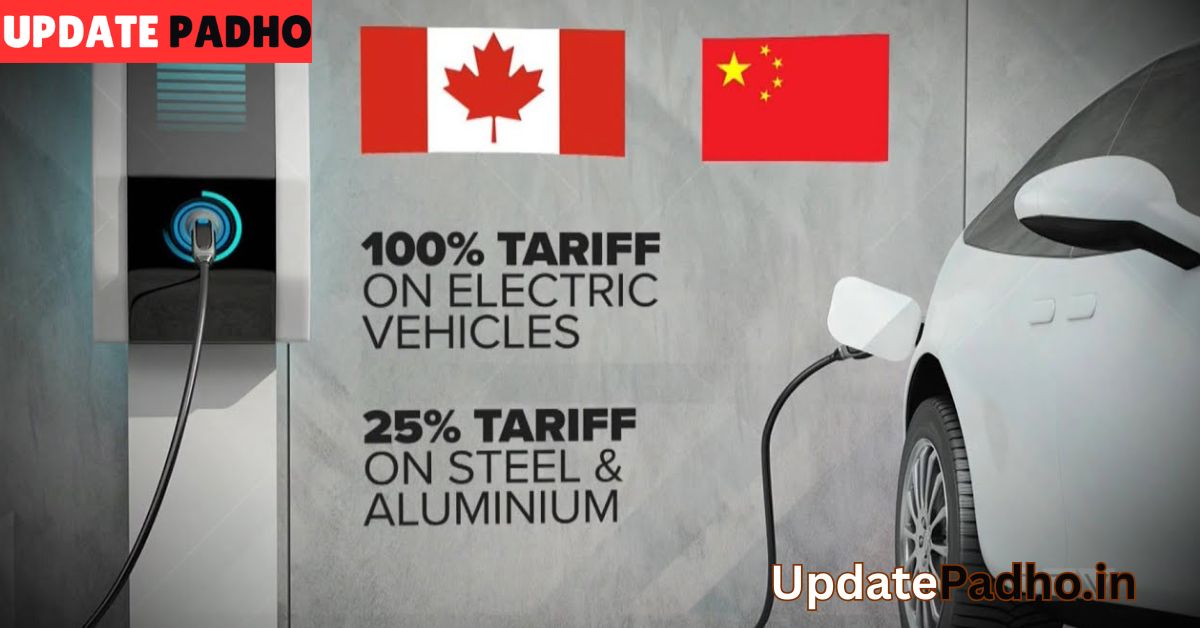
In a bold move that underscores rising trade tensions, Canada announced on August 26, 2024 that it would impose 100% tariffs on all Chinese-made electric vehicles (EVs) and 25% tariffs on certain steel and aluminum imports from China. These measures, which came into effect in October 2024, represent one of the most aggressive trade actions Canada has taken in recent years. The decision reflects growing concerns about China’s industrial policies, global overcapacity, and the need to safeguard Canadian jobs and industries.
Why Canada Took This Step
The Canadian government justified the tariffs on several grounds:
- Unfair competition: Chinese EVs benefit from heavy state subsidies, allowing them to undercut global competitors.
- Domestic protection: Canada’s EV industry and steel/aluminum producers have struggled to compete against low-cost imports.
- North American alignment: The move mirrors similar actions by the United States and the European Union, signaling a coordinated Western response to China’s trade practices.
- Economic resilience: Ottawa emphasized that tariffs would help “level the playing field” for Canadian workers and manufacturers.
Details of the Tariffs
- 100% surtax on Chinese EVs: Effective October 1, 2024, doubling the cost of Chinese EVs entering Canada.
- 25% surtax on steel and aluminum products: Effective October 15–22, 2024, targeting imports that have disrupted Canadian markets.
- Revenue impact: The Parliamentary Budget Officer (PBO) estimated that these measures would generate $473 million in federal revenues between 2024–2029.
Impact on the EV Market
The EV sector is at the heart of Canada’s climate and industrial strategy. The tariffs will have several consequences:

- Chinese EV makers like BYD, NIO, and XPeng will find Canada a far less attractive market.
- Canadian and North American EV producers (including Tesla and GM) stand to benefit from reduced competition.
- Consumers may face higher prices in the short term, as affordable Chinese EVs are priced out of the market.
- Domestic innovation push: The government hopes tariffs will encourage investment in Canadian EV manufacturing and battery production.
Impact on Steel and Aluminum
Steel and aluminum are critical to Canada’s construction and automotive industries. The 25% surtax will:
- Protect Canadian producers from dumping practices by Chinese firms.
- Encourage domestic and regional sourcing within North America.
- Potentially raise costs for downstream industries, including construction and manufacturing, though Ottawa argues this is necessary for long-term stability.
Global Trade Context
Canada’s tariffs are part of a broader trend:
- United States: Washington has imposed similar tariffs on Chinese EVs and metals.
- European Union: Brussels is investigating Chinese EV subsidies and considering countermeasures.
- China’s response: Beijing has criticized these tariffs as protectionist and warned of possible retaliation.
This escalation highlights the fragmentation of global trade, where countries are prioritizing industrial security over free trade principles.

Challenges and Risks
While the tariffs aim to protect Canadian industries, they come with challenges:
- Consumer affordability: EV adoption could slow if prices rise.
- Retaliation risk: China may impose counter-tariffs on Canadian exports, including agricultural products.
- Supply chain disruptions: Industries reliant on cheaper Chinese steel and aluminum may face cost pressures.
- Diplomatic strain: Canada-China relations, already tense, could deteriorate further.
Conclusion
Canada’s decision to impose 100% tariffs on Chinese EVs and 25% on steel and aluminum marks a turning point in its trade policy. It reflects a broader global shift toward economic nationalism and industrial protection, particularly in strategic sectors like clean energy and manufacturing. While the move may raise short-term costs for consumers and industries, Ottawa believes it is essential to secure Canada’s long-term economic resilience and industrial competitiveness.
For Canadian workers and manufacturers, this is a chance to reclaim ground lost to subsidized imports. For global trade, it is yet another sign that the era of unfettered globalization is giving way to a new age of strategic protectionism.