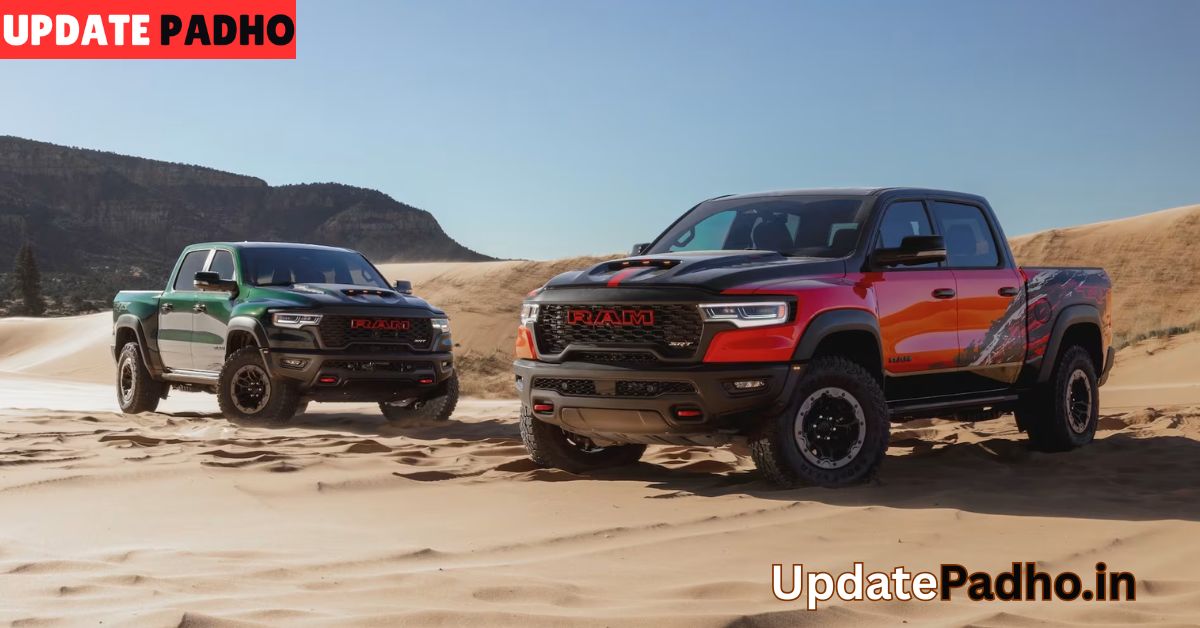
The automotive world thrives on heritage, branding, and identity. Few examples illustrate this better than the split between Dodge and Ram. In 2009, under the leadership of Sergio Marchionne, Dodge’s truck division was spun off into a standalone brand—Ram. The idea was to sharpen Dodge’s focus on muscle cars, SUVs, and minivans, while Ram would specialize in trucks. Fast-forward to 2026, and Ram CEO Tim Kuniskis has reignited the conversation by admitting he still calls his trucks “Dodge Ram” and suggesting that a reunion wouldn’t make much difference to buyers.
The Legacy of “Dodge Ram”
- Cultural Memory: For decades, Ram trucks were marketed as “Dodge Ram,” embedding the name in consumer consciousness.
- Brand Recognition: Even after the split, many buyers continue to use the old name, showing how strong the association remains.
- Marketing Challenge: Ram has worked hard to establish itself as a standalone brand, but Dodge’s shadow still lingers.
Ram’s Success as a Standalone Brand
- Growth: Since the split, Ram has become Stellantis’ second-largest brand, proving the decision worked in its favor.
- Product Line: Ram’s portfolio—from the 1500 to heavy-duty trucks—has carved out a loyal following.
- Identity: Ram emphasizes toughness, utility, and innovation, distinct from Dodge’s muscle-car persona.
Dodge’s Struggles Post-Split
- Limited Portfolio: Dodge has narrowed its lineup to performance cars like the Charger and Challenger, plus SUVs like the Durango.
- Market Pressure: Without trucks, Dodge lost a major revenue stream, making it harder to compete with rivals.
- Brand Perception: Dodge remains iconic but less versatile compared to Ram’s broad appeal.
Would a Reunion Make Sense?
Kuniskis argues that a merger would be largely symbolic:

- Consumer Perspective: Most buyers already assume Dodge and Ram are connected. A reunion would simply formalize what they believe.
- Brand Identity: Ram has successfully built its own identity. Reuniting could blur the distinction and weaken Ram’s hard-earned brand equity.
- Corporate Strategy: Stellantis benefits from having two distinct brands targeting different markets.
Pros and Cons of a Dodge-Ram Reunion
| Pros | Cons |
|---|---|
| Stronger nostalgic appeal for buyers | Risk of diluting Ram’s independent identity |
| Simplified branding and marketing | Dodge’s weaker portfolio could drag Ram down |
| Potential cost savings in advertising | Confusion in product positioning |
| Unified heritage under one name | Stellantis loses flexibility in brand strategy |
Consumer Sentiment
- Nostalgia: Older buyers fondly remember Dodge Ram trucks and may welcome a reunion.
- Practicality: Younger buyers care more about features, performance, and price than brand labels.
- Perception Gap: While enthusiasts debate branding, mainstream customers simply want reliable trucks and cars.
The Bigger Picture
The Dodge-Ram split reflects broader trends in the auto industry:
- Specialization: Automakers increasingly separate brands to sharpen focus.
- Heritage vs. Modernity: Balancing nostalgia with innovation is a constant challenge.
- Global Strategy: Stellantis manages multiple brands worldwide, and keeping Dodge and Ram separate allows for targeted growth.
Conclusion
Ram CEO Tim Kuniskis’s comments highlight a fascinating paradox: while Dodge and Ram remain separate, the public still sees them as one. A reunion might satisfy nostalgia but would likely have little impact on sales or consumer behavior. Ram has thrived as an independent brand, while Dodge continues to lean on its muscle-car heritage.

Ultimately, the Dodge-Ram story is less about corporate restructuring and more about the enduring power of names. Whether united or divided, both brands symbolize American automotive culture—and that’s what truly resonates with buyers.