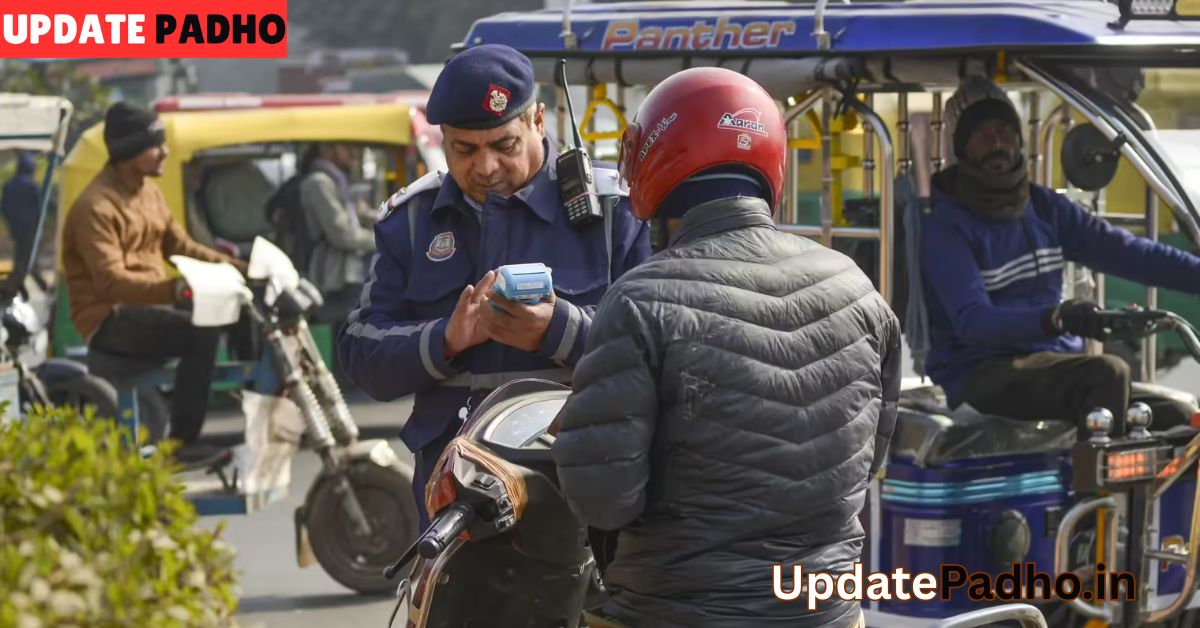
Traffic safety remains one of the most pressing concerns in India’s urban centers, and Noida is no exception. The city’s traffic police released data for 2025 that paints a worrying picture: helmetless riding accounted for nearly 50% of all traffic challans issued. With over 28.9 lakh challans in total, this means more than 14 lakh riders were fined for not wearing helmets.
This statistic highlights not only the scale of non-compliance but also the urgent need for stronger enforcement and public awareness about road safety.
The Numbers Behind the Violations
- Total challans in 2025: 28.9 lakh.
- Helmetless riding: 14.65 lakh (50.7%).
- No-parking violations: 2.7 lakh.
- Wrong-side driving: 2.2 lakh.
- Pollution-related challans: 1.2 lakh, up from 48,082 in 2024.
- Vehicles fined: 17.6 lakh two-wheelers, 8.9 lakh four-wheelers, 88,360 heavy vehicles, 78,872 autos, and 69,852 e-rickshaws.
- Vehicles seized: 13,014 during the year.
While helmetless riding topped the list, other violations such as speeding, dangerous driving, and pollution breaches also saw significant increases compared to 2024.
Why Helmetless Riding Persists
Despite repeated awareness drives, riders continue to flout helmet laws. Several factors contribute to this trend:

- Perceived inconvenience: Many riders see helmets as uncomfortable, especially in hot weather.
- Short-distance travel mindset: Riders often skip helmets for short trips, assuming reduced risk.
- Lack of enforcement consistency: While police conduct drives, riders often gamble on not being caught.
- Cultural attitudes: In some communities, helmet use is not normalized, especially among pillion riders.
Enforcement Measures
Noida traffic police have intensified efforts to curb violations:
- Awareness campaigns: Conducted in schools, residential societies, and commercial hubs.
- Road Safety Month (Nov–Dec 2025): Saw stricter checks at junctions, leading to a 33% drop in helmetless riding compared to November 2024.
- Integrated Traffic Management System (ITMS): Expected to further increase enforcement through automated monitoring.
These measures show promise, but the sheer scale of violations indicates that enforcement alone may not be enough.
The Human Cost
Helmetless riding is not just a legal violation—it is a life-threatening risk. According to national road safety data, head injuries account for the majority of two-wheeler fatalities. Helmets reduce the risk of death by 42% and head injury by 69%.
In Noida, where two-wheelers dominate traffic, the lack of helmet use directly translates into higher accident severity and fatalities.

Public Response and Awareness
While enforcement has increased, public response remains mixed:
- Positive: Many citizens support stricter fines, recognizing the safety benefits.
- Negative: Some riders complain about “harassment” and argue for leniency in short-distance travel.
- Neutral: A large segment remains indifferent, highlighting the need for cultural change.
Looking Ahead
To reduce helmetless riding, Noida must combine enforcement with behavioral change strategies:
- Subsidized helmets: Affordable options can encourage compliance.
- Community campaigns: Involving local leaders to normalize helmet use.
- Technology-driven enforcement: ITMS cameras can ensure consistent monitoring.
- School-level education: Instilling safety habits early among young riders.
Conclusion
The fact that helmetless riding accounts for nearly half of Noida’s traffic challans is a wake-up call. While enforcement has improved, the persistence of violations shows that deeper cultural and behavioral changes are needed. Helmets are not just a legal requirement—they are a lifesaving necessity.
As Noida prepares to roll out advanced traffic management systems, the hope is that stricter monitoring, combined with awareness campaigns, will finally reduce this dangerous trend. Until then, the numbers remain a stark reminder: ignoring helmets is costing lives, not just fines.