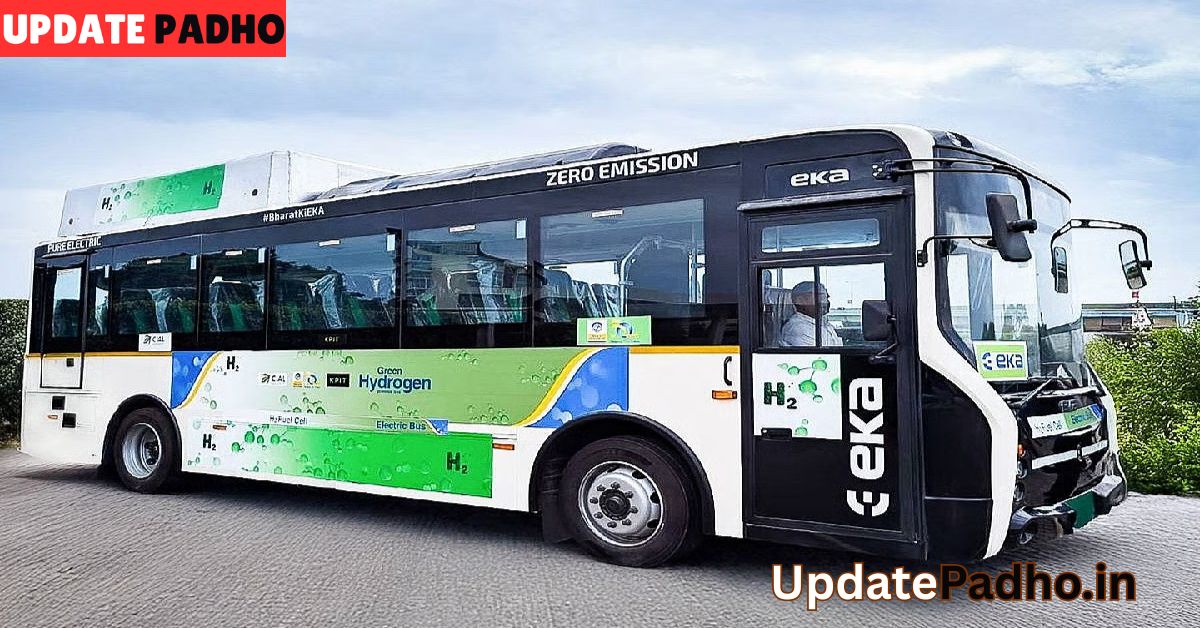
India’s journey toward sustainable transportation has reached a historic milestone with Cochin International Airport (CIAL) in Kochi introducing the country’s first hydrogen-powered bus in 2026. Known globally as the world’s first fully solar-powered airport, Kochi has once again positioned itself at the forefront of eco-friendly innovation. This bold step not only strengthens India’s commitment to clean energy but also sets a precedent for airports and public transport systems nationwide.
Kochi Airport: A Pioneer in Sustainability
Cochin International Airport has long been recognized as a trailblazer in green initiatives. In 2015, it became the world’s first airport to run entirely on solar power, a move that earned it international acclaim. The introduction of hydrogen-powered buses is a natural extension of this vision, reinforcing CIAL’s role as a leader in sustainable infrastructure.
By adopting hydrogen technology, Kochi Airport is demonstrating how airports can serve as laboratories for innovation, showcasing solutions that can later be scaled across cities and industries.
Why Hydrogen?
Hydrogen fuel cells represent one of the most promising clean energy technologies for transportation. Unlike conventional fossil fuels, hydrogen produces zero tailpipe emissions, with water vapor being the only byproduct.

Key advantages include:
- Zero Emissions: No carbon dioxide or harmful pollutants.
- High Efficiency: Hydrogen fuel cells convert chemical energy directly into electricity, offering superior efficiency compared to combustion engines.
- Quick Refueling: Unlike battery-electric vehicles, hydrogen buses can be refueled in minutes, making them practical for continuous operations.
- Energy Security: Hydrogen can be produced domestically from renewable sources, reducing dependence on imported fuels.
The Hydrogen-Powered Bus at Kochi
The hydrogen bus introduced at Kochi Airport is designed to serve passengers and staff within the airport premises. It combines cutting-edge technology with passenger comfort:
- Fuel Cell Technology: Converts hydrogen into electricity to power the bus.
- Silent Operation: Reduced noise compared to diesel buses, enhancing passenger experience.
- Modern Design: Spacious interiors, ergonomic seating, and smart connectivity features.
- Safety Systems: Advanced monitoring ensures safe storage and usage of hydrogen fuel.
This initiative is not just about transportation—it’s about creating a green ecosystem within the airport, where sustainability is embedded in every aspect of operations.
Broader Implications for India
The launch of India’s first hydrogen-powered bus at Kochi Airport has far-reaching implications:

- National Energy Goals: Supports India’s National Hydrogen Mission, which aims to make the country a global hub for green hydrogen production and usage.
- Urban Transport Transformation: Demonstrates the viability of hydrogen buses for city transport, potentially reducing pollution in urban centers.
- Economic Opportunities: Encourages investment in hydrogen infrastructure, including production, storage, and distribution.
- Global Leadership: Positions India as a pioneer in adopting hydrogen technology in public transport, attracting international attention and collaboration.
Challenges Ahead
While hydrogen technology is promising, challenges remain:
- Infrastructure: Hydrogen refueling stations are limited in India, requiring significant investment.
- Costs: Hydrogen production and fuel cell technology are currently more expensive than conventional alternatives.
- Awareness: Public understanding of hydrogen safety and benefits needs to be strengthened.
However, initiatives like Kochi’s hydrogen bus are crucial first steps in overcoming these barriers.
Final Thoughts
The hydrogen-powered bus at Kochi Airport is more than a transport innovation—it’s a symbol of India’s commitment to a cleaner, greener future. By embracing hydrogen, Kochi is not only reducing emissions but also inspiring other airports, cities, and industries to explore sustainable alternatives.
As passengers board this futuristic bus, they are not just traveling between terminals—they are riding into a future where mobility is powered by clean energy, where innovation meets responsibility, and where India leads the way in sustainable transport.