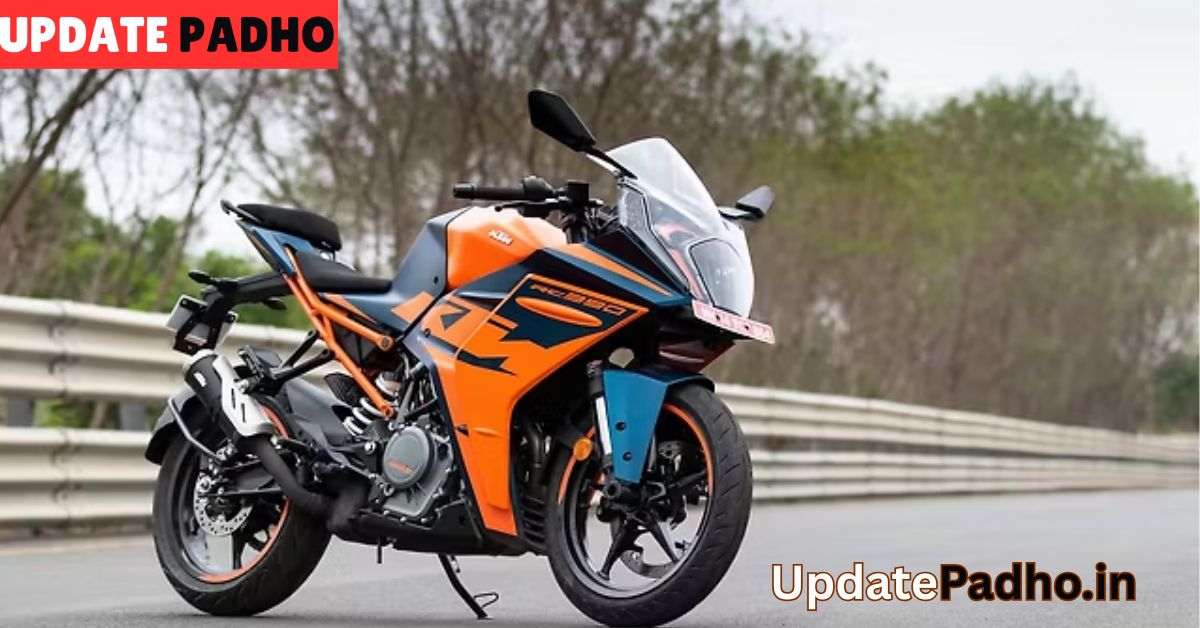
In a move that marks the end of an era, KTM has officially ended its decades-long partnership with KISKA, the Salzburg-based design agency that has been instrumental in shaping the brand’s identity since the early 1990s. This collaboration defined the sharp, aggressive styling of KTM motorcycles, from the iconic Duke series to the Adventure range. With KTM selling its remaining shares in KISKA to Loxone GmbH, the Austrian manufacturer is now preparing to take its design process fully in-house.
The Legacy of KTM and KISKA
For over 30 years, KISKA was more than just a design partner—it was the creative force behind KTM’s “Ready to Race” philosophy. Together, they crafted motorcycles that stood out for their angular lines, bold graphics, and unmistakable orange identity.
- Early 1990s: KISKA began working with KTM, helping the brand establish a distinctive visual language.
- 2000s: The Duke and Adventure series became global icons, showcasing KISKA’s design DNA.
- 2020s: KTM’s aggressive styling became a benchmark in the industry, influencing competitors and cementing its reputation.
This partnership was not only about aesthetics but also about brand-building, giving KTM a strong identity in a crowded motorcycle market.
Why the Split?
The decision to part ways comes in the wake of Bajaj Auto’s takeover of Pierer Mobility, KTM’s parent company. The restructuring aims to streamline operations, reduce costs, and bring design closer to the core of the business.

Key reasons include:
- Cost optimization: Internal design processes are expected to be more efficient.
- Tighter control: Having an in-house design centre allows KTM to directly oversee creative decisions.
- Strategic independence: KTM can now align design more closely with engineering and production.
The Future: KTM’s Own Design Centre
KTM is establishing a new in-house design studio in Salzburg, signaling a shift toward greater autonomy. While KISKA will continue to exist under Loxone GmbH, KTM’s future motorcycles will be designed internally.
This move could reshape the brand’s styling in the coming years:
- Potential for new design language: KTM may evolve beyond the angular, aggressive look that defined its past.
- Closer collaboration with engineers: Design and development teams working side by side could lead to more integrated solutions.
- Faster innovation cycles: In-house control may allow KTM to respond more quickly to market trends.
What This Means for Riders
For KTM enthusiasts, the split raises intriguing questions:

- Will KTM’s future bikes retain the sharp, aggressive styling riders love?
- Could we see a softer, more premium design direction?
- How will this affect KTM’s competitive edge against rivals like Yamaha, Honda, and Ducati?
While change often brings uncertainty, KTM’s commitment to performance and innovation suggests that the brand will continue to deliver motorcycles that embody its racing spirit.
Final Thoughts
The end of KTM’s partnership with KISKA is more than a business decision—it’s the closing of a chapter that defined the brand’s identity for over three decades. As KTM embarks on this new journey with its own design centre, the motorcycle world watches closely to see how the brand reinvents itself.
KTM has always thrived on boldness, and this move is no exception. The next generation of KTM motorcycles will not only carry the brand’s racing DNA but also reflect a fresh design philosophy born entirely within its own walls.