
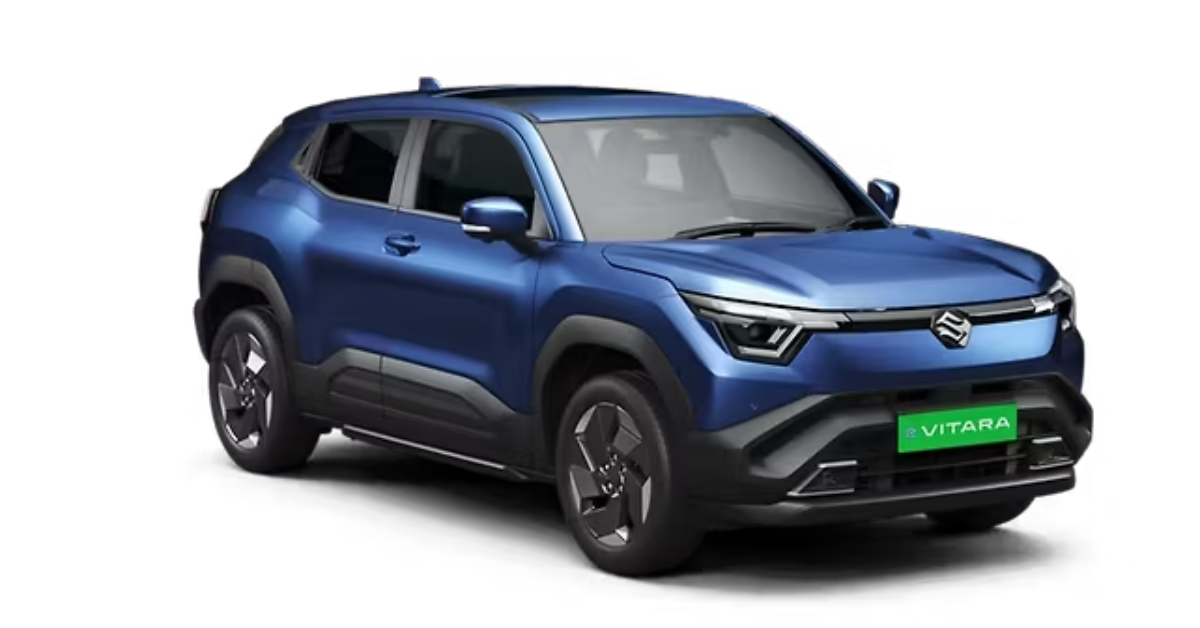
India’s automotive industry continues to grow at an impressive pace, and Maruti Suzuki India Limited is once again making headlines. The country’s largest car manufacturer has announced plans to expand production capacity at its Gujarat manufacturing facility by July.
This expansion is not just about building more cars — it represents a strategic move aimed at strengthening market dominance, boosting exports, supporting electric vehicle growth, and reinforcing India’s position as a global automotive manufacturing hub.
Let’s take a detailed look at what this development means for the Indian automobile sector, investors, car buyers, and the broader economy.
🏭 Gujarat Plant: A Manufacturing Powerhouse
Maruti Suzuki’s Gujarat plant has become one of the company’s most important production hubs. Located in a strategically advantageous industrial region, the facility plays a crucial role in both domestic vehicle supply and exports.
The Gujarat plant currently manufactures several high-demand models and contributes significantly to Maruti’s annual production volume. With demand rising across segments — from compact hatchbacks to SUVs — capacity expansion has become a logical next step.
Why Gujarat?
- Strong port connectivity for exports
- Industrial infrastructure support
- Skilled labor availability
- Government policy backing
- Strategic location for pan-India distribution
This makes Gujarat a key pillar in Maruti Suzuki’s long-term manufacturing strategy.
📈 Why Is Maruti Expanding Capacity?
The decision to expand production capacity is driven by multiple growth factors:
1️⃣ Rising Domestic Demand
India’s passenger vehicle market has seen steady growth. With rising disposable income, easier auto financing, and strong rural demand, car sales continue to climb.
2️⃣ SUV Boom
The Indian market is increasingly shifting toward SUVs and crossovers. Maruti’s expanding SUV portfolio requires higher production capabilities.
3️⃣ Export Opportunities
India has become a global export hub for small cars. The Gujarat plant plays a major role in exporting vehicles to Africa, Latin America, and Southeast Asia.
4️⃣ EV & Hybrid Strategy
With electrification gaining momentum, Maruti’s future EV and hybrid roadmap will require upgraded and scalable production facilities.
This expansion ensures Maruti stays ahead in supply-chain efficiency and competitive pricing.

🚀 What the Expansion Includes
While detailed technical figures may vary, the expansion is expected to increase annual production capacity significantly. This will allow Maruti to:
- Reduce waiting periods for high-demand models
- Increase export volumes
- Support upcoming new model launches
- Strengthen supply chain resilience
Capacity enhancement typically includes:
✔ Addition of new assembly lines
✔ Automation upgrades
✔ Enhanced robotics integration
✔ Improved logistics infrastructure
✔ Sustainable manufacturing practices
This ensures higher efficiency and reduced per-unit production cost.
🌍 Impact on the Indian Automotive Industry
Maruti Suzuki’s expansion has ripple effects across the ecosystem.
🔹 Boost to Ancillary Industries
Auto component manufacturers, logistics providers, and suppliers benefit from increased production demand.
🔹 Employment Generation
Capacity expansion typically leads to direct and indirect job creation — supporting skilled labor, technical experts, and local employment.
🔹 Strengthening “Make in India”
Increased manufacturing reinforces India’s reputation as a global automotive production hub.
🔹 Investor Confidence
Expansion signals business confidence and long-term growth, positively influencing market perception.
📊 Market Implications: Strengthening Leadership
Maruti Suzuki already holds a dominant share in India’s passenger vehicle market. Expanding capacity further consolidates its leadership position.
In a competitive market where rivals are aggressively launching new SUVs and EVs, production scalability becomes a competitive advantage. Faster production cycles allow quicker response to consumer demand.
This move sends a strong message: Maruti is not slowing down — it’s preparing for the next growth wave.

⚡ EV Future: Preparing for Electrification
India’s electric vehicle market is projected to grow exponentially over the next decade. While Maruti has traditionally focused on petrol and CNG vehicles, its EV roadmap is now accelerating.
Capacity expansion at the Gujarat plant may also support:
- Future electric vehicle manufacturing
- Battery integration capabilities
- Hybrid vehicle assembly
- Sustainable production methods
As global regulatory norms tighten and Indian EV adoption rises, scalable production infrastructure becomes crucial.
💰 Economic and Investment Perspective
From a financial standpoint, this expansion is a capital-intensive but forward-looking move.
Benefits for Shareholders
- Improved production efficiency
- Higher revenue potential
- Increased export income
- Long-term market growth positioning
For investors and analysts, manufacturing expansion often signals strong confidence in sustained demand.
🛣️ What It Means for Car Buyers
For Indian car buyers, this expansion translates into:
✔ Shorter waiting periods
✔ Improved availability of popular models
✔ Stable pricing due to higher production scale
✔ Faster delivery timelines
✔ Access to upcoming new-generation vehicles
With demand frequently exceeding supply in certain segments, capacity expansion directly improves customer experience.
🌱 Sustainability and Modern Manufacturing
Modern automotive plants increasingly focus on sustainable production. Expansion often integrates:
- Water conservation systems
- Energy-efficient processes
- Renewable energy usage
- Waste reduction strategies
This aligns with global ESG (Environmental, Social, Governance) standards — an important factor for multinational investors and environmentally conscious buyers.
📌 Strategic Timing: Why July Matters
Launching expansion by July aligns with:
- Mid-year sales cycles
- Upcoming festive season demand
- New model rollout timelines
- Export shipment planning
This timing ensures Maruti maximizes production before peak buying periods.

🔮 The Road Ahead
Maruti Suzuki’s Gujarat plant expansion is more than an infrastructure upgrade — it’s a strategic milestone in India’s automotive evolution.
As the market shifts toward:
- Premium compact SUVs
- Fuel-efficient hybrid vehicles
- Entry-level electric cars
- Feature-rich family cars
Maruti is positioning itself to meet growing demand without compromising supply efficiency.
🏁 Final Verdict: A Bold Move for Long-Term Growth
The expansion of Maruti Suzuki’s Gujarat manufacturing facility underscores the company’s commitment to growth, innovation, and market leadership.
In an era where production capability determines competitive strength, this move:
✔ Enhances scalability
✔ Supports electrification goals
✔ Boosts exports
✔ Strengthens domestic supply
✔ Creates employment opportunities
For the Indian automobile industry, this is a strong signal that large-scale manufacturing confidence remains high. For buyers, it means better access to vehicles. For investors, it signals sustainable expansion.
As July approaches, all eyes will be on how this expansion reshapes production dynamics and strengthens Maruti Suzuki’s position in one of the world’s fastest-growing car markets.