
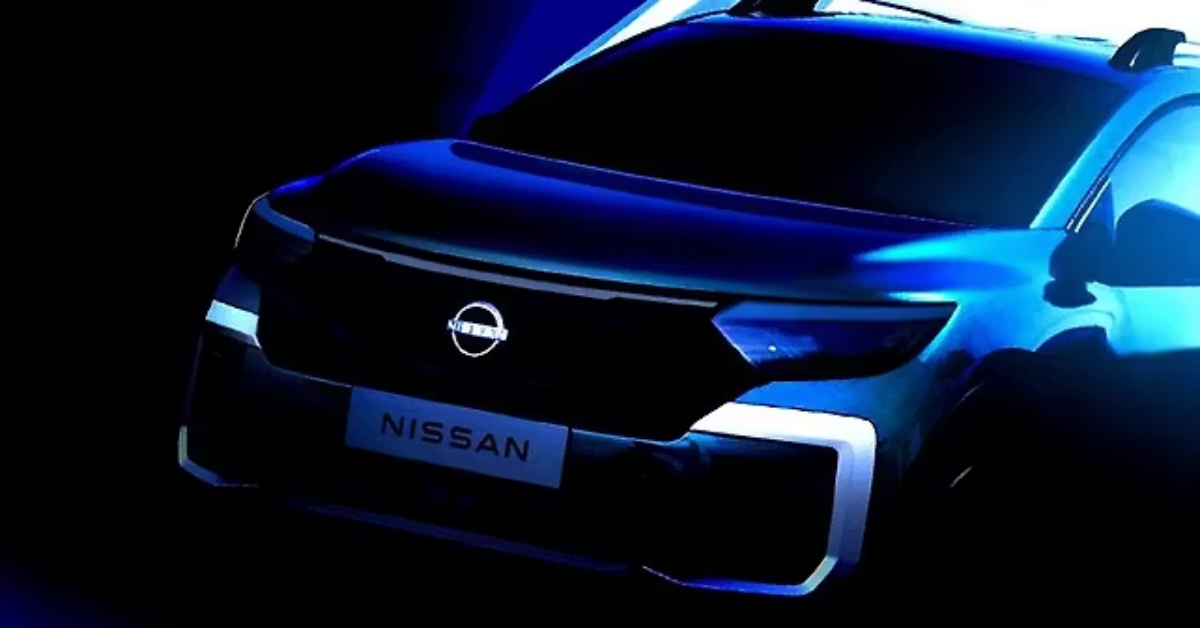
The Indian compact MPV segment is about to get more exciting as Nissan prepares to unveil its new Renault Triber-based B-MPV tomorrow. This vehicle is expected to offer excellent value for money, practical space, and features tailored for Indian families and urban commuters. Nissan’s decision to base this model on the successful Renault Triber platform is strategic — combining proven engineering with refreshed styling and brand identity.
In this blog, we take a deep dive into what buyers can expect from this new MPV: from design and interior features to engine options, seating flexibility, safety features, and how it might reshape competition in the segment.
A Look Back at the Success of the Platform
The Renault Triber has carved its own niche in India’s compact MPV space over the past few years. Known for its adaptable seating, spacious cabin, and impressive practicality, the Triber offered families a value-oriented alternative to traditional sedans and entry-level SUVs.
Nissan’s move to use the Triber platform for its new MPV shows confidence in the platform’s strength, versatility, and acceptance among Indian buyers. Instead of reinventing the wheel, Nissan is building on a tried-and-tested base while bringing its own design language, features, and brand appeal to the product.
Exterior Design: Familiar Yet Refreshed
While the platform is shared with the Renault Triber, Nissan is expected to give the B-MPV a distinct identity through its exterior styling.
Sportier Front Fascia
Expect a redesigned front end with Nissan’s signature grille and sharper headlamp styling. The new face will help the MPV stand out on the road and give it a premium presence.
Sleek Side Profile
The silhouette is likely to remain familiar, with a tall roofline and robust stance that are key for MPV practicality. However, design tweaks such as updated alloy wheel designs, new character lines, and body-color treatments could give it a more modern look.
Rear Design
The rear might get updated taillamps, a fresh bumper design, and Nissan badging that strengthens its unique character while keeping the MPV’s space-oriented shape intact.
The overall design goal appears to be clear: retain the practicality that made the Triber successful, but inject a fresh, contemporary look that aligns with Nissan’s brand identity.

Interior and Cabin Comfort: Spacious and Flexible
One of the biggest strengths of the Triber platform is its interior versatility, and the new Nissan B-MPV is expected to build on this advantage.
Seating for Families
The B-MPV will offer a flexible seating layout, likely accommodating up to seven passengers. Modular seating with easy fold-and-slide functions will make the cabin highly adaptable — whether you need more luggage space or extra passenger seating.
Material Quality and Design
While cost-efficiency remains a priority, Nissan is expected to upgrade interior trims and materials to give the cabin a more refined feel. Improved seat upholstery, better dashboard finishes, and thoughtfully placed storage spaces will enhance everyday usability.
Infotainment and Technology
Expect a touchscreen infotainment system with smartphone connectivity features, steering-mounted controls, and a digital instrument cluster. Comfort features may include automatic climate controls — important for Indian weather conditions — and multiple charging points for passengers in all rows.
The emphasis on comfort, space, and user-friendly layout will make the Nissan B-MPV an attractive choice for families and first-time car buyers.
Performance and Engine Options: Practical and Efficient
Under the hood, the Nissan B-MPV is expected to carry forward the same engines that have served well in similar platform-based models.
Efficient Petrol Engine
A small-capacity petrol engine, designed for urban and highway driving, will likely form the backbone of the lineup. This engine should offer a balance of fuel economy and adequate performance — perfect for city commuting and family outings.
Transmission Choices
Manual and automatic transmission options are expected, ensuring convenience for both traditional drivers and those who prefer ease in traffic.
Fuel Efficiency
With rising fuel costs and growing environmental awareness, buyers are looking for vehicles that don’t just perform well, but also deliver good mileage. Nissan’s engine tuning and calibration are likely to prioritize efficiency without sacrificing drivability.

Safety Features: A Growing Priority
Safety has become a non-negotiable criterion for modern car buyers, especially in the family car segment. The new B-MPV is expected to include a suite of safety technologies and features:
- Dual front airbags for driver and passenger protection
- Anti-lock braking system (ABS) to prevent wheel lock during hard braking
- Electronic stability control for balanced handling
- Rear parking sensors or camera to aid in tight spaces
- Seat belt reminders and child seat anchor points for family safety
These features will give buyers confidence that the MPV is not just practical and spacious, but also built with safety in mind.
Technology and Connectivity: What to Expect
The B-MPV is likely to pack useful tech features that align with the expectations of modern Indian buyers:
Infotainment System
A touchscreen system with easy-to-use interface, Bluetooth connectivity, and possibly smartphone mirroring will keep passengers entertained and connected on the go.
Driver Assistance Features
Features such as reverse parking sensors, a rear view camera, and steering-mounted audio controls make daily driving more convenient.
Comfort and Convenience
Automatic climate control, adjustable seats, ample cup holders, and practical storage spaces are expected, making long journeys pleasant for all passengers.
Nissan’s intention is likely to be clear: offer technology that enhances comfort and usability without overcomplicating the user experience.
Pricing and Segment Positioning: What Makes It Competitive
The compact MPV segment in India appeals most to budget-conscious buyers who want maximum utility for their money. With this in mind, Nissan will likely position the new B-MPV competitively, offering a value-driven package that undercuts or matches rivals in pricing.
Expected to cater to both urban buyers and small families, the pricing strategy will likely focus on:

- Affordable entry-level variants with essential features
- Mid-range variants with added comfort and connectivity
- Top trims with advanced features, automatic transmission, and premium touches
This tiered approach ensures there’s something for buyers with different budgets and priorities.
Competition and Market Impact
The Nissan B-MPV is entering a segment that’s seeing renewed interest due to the demand for versatile, practical family vehicles. With increasing choices from competitors, including closely priced SUVs and compact hatchbacks, this MPV will have to win buyers through smart packaging, comfort, and value for money.
What Nissan brings to the table is a combination of proven platform reliability, practical space utilization, and renewed styling that appeals to modern tastes.
Final Thoughts: A Promising Addition to the MPV Space
Tomorrow’s reveal of the Renault Triber-based Nissan B-MPV is one of the most anticipated events for family car buyers and budget-focused drivers. Based on a platform that has proven its worth, yet refreshed with Nissan’s design cues and possibly enhanced features, this MPV is poised to make a strong impact.
From spacious interiors and practical seating flexibility to advanced safety and technology features, the new B-MPV aims to offer a complete package that meets the needs of Indian buyers.
As we look forward to the official launch, expectations are high that Nissan’s latest offering will not just enter the compact MPV segment but compete strongly for attention, sales, and long-term customer satisfaction.