
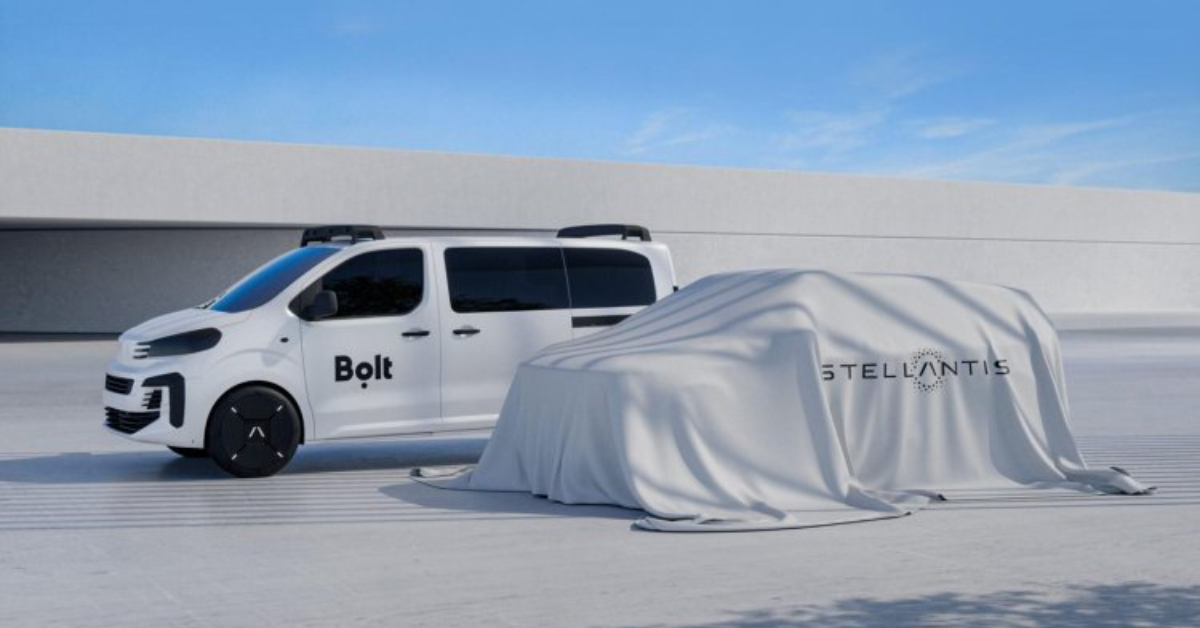
The future of transportation is accelerating faster than ever, and two major players—Stellantis and Bolt—have officially joined hands to launch Level 4 robotaxis in Europe. This collaboration marks one of the most significant milestones in the autonomous mobility sector, signalling a major shift in how people will move across European cities in the coming years.
Stellantis, known for its global portfolio of iconic automotive brands, and Bolt, one of Europe’s fastest-growing ride-hailing and mobility platforms, aim to deploy a scalable, reliable, and safe autonomous taxi network. With Europe rapidly embracing smart mobility solutions, the introduction of Level 4 robotaxis represents a massive step toward a future where transportation is seamless, sustainable, and driver-free.
This blog explores the partnership, the technology powering these robotaxis, what Level 4 autonomy means, the benefits for users and cities, and the road ahead for this revolutionary mobility initiative.
Understanding Level 4 Autonomy: A Significant Technological Breakthrough
Before diving into the partnership, it’s important to understand what Level 4 autonomy actually means. The SAE (Society of Automotive Engineers) defines six levels of driving automation—from Level 0 (no automation) to Level 5 (full automation).
Level 4 vehicles: Fully autonomous in designated zones
Level 4 robotaxis can:
- Drive without human input in approved areas
- Operate safely even without a driver present
- Handle complex traffic scenarios
- Follow traffic rules, navigate city roads, and avoid obstacles
However, they are restricted to specific geofenced locations, unlike Level 5 vehicles which operate autonomously anywhere.
Stellantis and Bolt aim to launch robotaxis capable of navigating urban environments with advanced safety systems, real-time sensors, and AI-driven decision-making.
Stellantis: Automotive Expertise Meets Innovation
Stellantis is one of the world’s largest automotive groups, formed from the merger of Fiat Chrysler Automobiles (FCA) and PSA Group. With brands like Peugeot, Citroën, Fiat, Opel, Jeep, and Maserati, the company has a solid foundation in building reliable, high-quality vehicles.
For the robotaxi project, Stellantis provides:
- Purpose-built autonomous vehicle platforms
- Advanced electric drivetrains for sustainability
- Sensor integration expertise
- Strong safety engineering foundations
The company is also heavily investing in autonomous mobility through its software division, which plays a critical role in integrating AI systems and automated driving tools.

Bolt: Europe’s Leading Mobility Platform Steps into the Future
Bolt, originally launched as a ride-hailing app, has rapidly expanded into:
- E-scooters
- Food delivery
- Car rentals
- Micro-mobility solutions
With millions of users across Europe, Bolt brings:
- A powerful customer base
- Mobility expertise
- Operational networks across major cities
- Urban data insights important for robotaxi operations
The Stellantis-Bolt partnership means that the robotaxis will be integrated directly into the Bolt app, allowing users to book autonomous rides just like traditional taxis.
What Makes These Level 4 Robotaxis Special?
The upcoming robotaxis are built on Stellantis’ advanced autonomous-ready platforms, featuring a combination of sensors, cameras, AI software, and electric mobility components.
1. Multi-Layer Sensor System
The robotaxis use a combination of:
- LIDAR sensors
- Radar modules
- High-definition cameras
- Ultrasonic sensors
- 360-degree perception systems
This multi-sensor setup allows the vehicle to detect pedestrians, cyclists, traffic signs, and obstacles in all weather conditions.
2. AI-Powered Decision-Making
A central autonomous driving computer processes real-time data and makes split-second decisions, controlling:
- Steering
- Acceleration
- Lane selection
- Emergency braking
- Traffic navigation
3. Electric Powertrain
The robotaxis run on zero-emission electric power, aligning with Europe’s sustainability targets.
4. Safety Redundancy
Level 4 robotaxis are designed with backup systems, including:
- Dual braking systems
- Redundant electric motors
- Backup computing units
This ensures safe operation even if one system fails.

Why This Partnership Is a Game-Changer for Europe
The collaboration between Stellantis and Bolt is poised to transform mobility in Europe in several ways.
1. Reduced Traffic Congestion
Robotaxis optimize routes using AI, reducing unnecessary idling and improving road flow in busy cities.
2. Enhanced Road Safety
Human errors contribute to more than 90% of road accidents. Autonomous vehicles can significantly reduce these incidents by:
- Maintaining safe distances
- Following rules consistently
- Detecting hazards earlier
3. Environmentally Sustainable Transportation
Electric robotaxis contribute to climate goals by:
- Reducing air pollution
- Cutting carbon emissions
- Supporting low-emission zones
4. Affordable Urban Mobility
Robotaxis eliminate the cost of human drivers, potentially making rides cheaper for users.
5. Improved Accessibility
Autonomous taxis can help people with:
- Disabilities
- Mobility limitations
- Senior citizens
by offering safer, easier, and personalized transportation.
Pilot Rollout and Expected Deployment
Stellantis and Bolt will first test the Level 4 robotaxis in controlled environments before expanding to designated European cities. The rollout will likely follow this pattern:
- Pilot trials in selected smart cities
- Integration with Bolt’s app
- Limited-area operation (geofenced zones)
- Gradual expansion based on performance and regulations
Cities with high traffic, strong digital infrastructure, and EV-friendly policies will be the first to adopt robotaxis.
Challenges Ahead: What Needs to Be Addressed
While the partnership is promising, some challenges remain:

1. Regulatory Approval
Europe’s autonomous vehicle regulations vary by country. Achieving compliance across regions will require time.
2. Public Trust
Users may hesitate to ride in a vehicle with no driver. Public awareness programs and safety demos will be crucial.
3. Infrastructure Upgrades
Robotaxis need:
- Smart traffic systems
- High-speed connectivity
- Reliable charging networks
4. Cybersecurity
Strong protocols are needed to prevent hacking and ensure safe data communication.
A Look Into the Future: What This Could Mean for Europe
If successful, the Stellantis-Bolt robotaxi project could pave the way for:
- Fully autonomous public transport networks
- Driverless ride-sharing fleets
- Smart city traffic ecosystems
- Reduced car ownership
- Lower transportation costs
This partnership marks the beginning of a mobility revolution—one where AI-driven fleets replace traditional taxis, and cities operate more efficiently with cleaner, safer transportation.
Conclusion: A New Era of Mobility Begins
The collaboration between Stellantis and Bolt to introduce Level 4 robotaxis in Europe underscores the rapid advancements in autonomous technology. With Stellantis’ automotive excellence and Bolt’s mobility expertise, Europe is already on the path to becoming a global leader in autonomous transportation.
As these robotaxis begin service, they will redefine how people travel—offering safer, cleaner, and more efficient transportation for millions.