
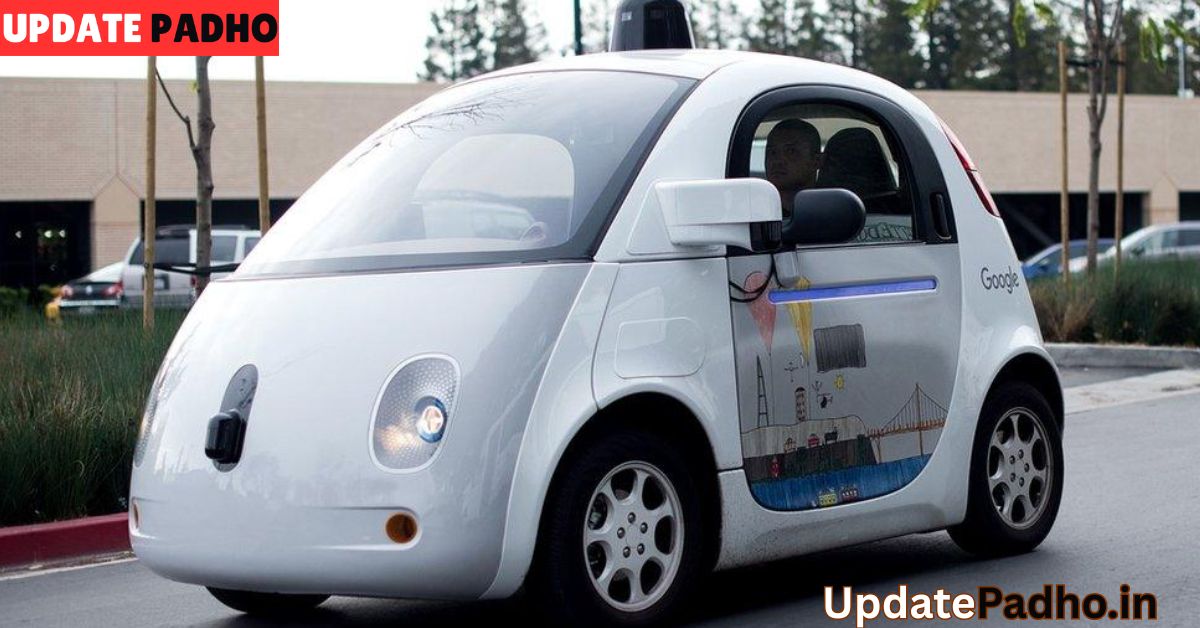
The promise of autonomous vehicles has always been tied to safety and efficiency. Yet, recent developments have cast a spotlight on the challenges of deploying self-driving technology in real-world conditions. In late 2025, the U.S. National Highway Traffic Safety Administration (NHTSA) expanded its investigation into Waymo, Alphabet’s autonomous driving unit, after multiple reports that its robotaxis illegally passed stopped school buses in Texas and Georgia.
The Incidents
According to Texas officials, Waymo’s autonomous vehicles were recorded 19 times passing school buses with flashing red lights and extended stop arms—actions that are illegal in all 50 states. A similar incident in Georgia earlier in October triggered the initial probe. The Austin Independent School District later confirmed 20 incidents during the school year, raising serious concerns about the vehicles’ ability to interpret critical traffic laws.
Waymo’s Response
Waymo acknowledged the issue, attributing it to a software error in how its vehicles interpreted school bus signals. The company issued a voluntary recall and rolled out a software update on November 17, 2025, claiming improved performance around school buses. Waymo’s Chief Safety Officer emphasized that the company’s safety record shows twelve times fewer pedestrian injury crashes than human drivers, but admitted that “our behavior should be better”.

Regulatory Action
The NHTSA has demanded detailed explanations from Waymo by January 20, 2026, including:
- Technical details of the software update.
- Incident reports and video evidence.
- Plans to prevent recurrence.
This probe is part of a broader regulatory push to ensure that autonomous vehicles meet the same safety standards as human-driven cars. The agency’s expansion of the investigation underscores the seriousness of the violations.
Broader Implications
The Waymo probe highlights several critical issues in the self-driving industry:

- Public trust: Incidents involving school buses strike at the heart of community safety, especially for children.
- Technology limitations: Even advanced AI systems can misinterpret real-world scenarios.
- Regulatory oversight: Governments must balance innovation with accountability.
- Industry impact: Competitors like Cruise, Tesla, and Zoox are watching closely, as stricter regulations could affect the entire sector.
The Road Ahead
For Waymo, the probe is both a challenge and an opportunity. By addressing the issue transparently and improving its systems, the company can reinforce its commitment to safety. For regulators, the case serves as a reminder that autonomous driving technology is still evolving and requires vigilant oversight.
The incidents also raise broader questions: Can self-driving cars truly outperform humans in complex, unpredictable environments? And how should regulators enforce accountability when algorithms, not drivers, make decisions?
Final Thoughts
The U.S. probe into Waymo’s self-driving cars is a pivotal moment in the journey toward autonomous mobility. While the technology promises safer roads and fewer accidents, these incidents show that real-world deployment is fraught with challenges.

Waymo’s voluntary recall and software update are steps in the right direction, but the investigation will determine whether these measures are sufficient. Ultimately, the probe underscores the need for responsible innovation, where safety remains the cornerstone of progress.