
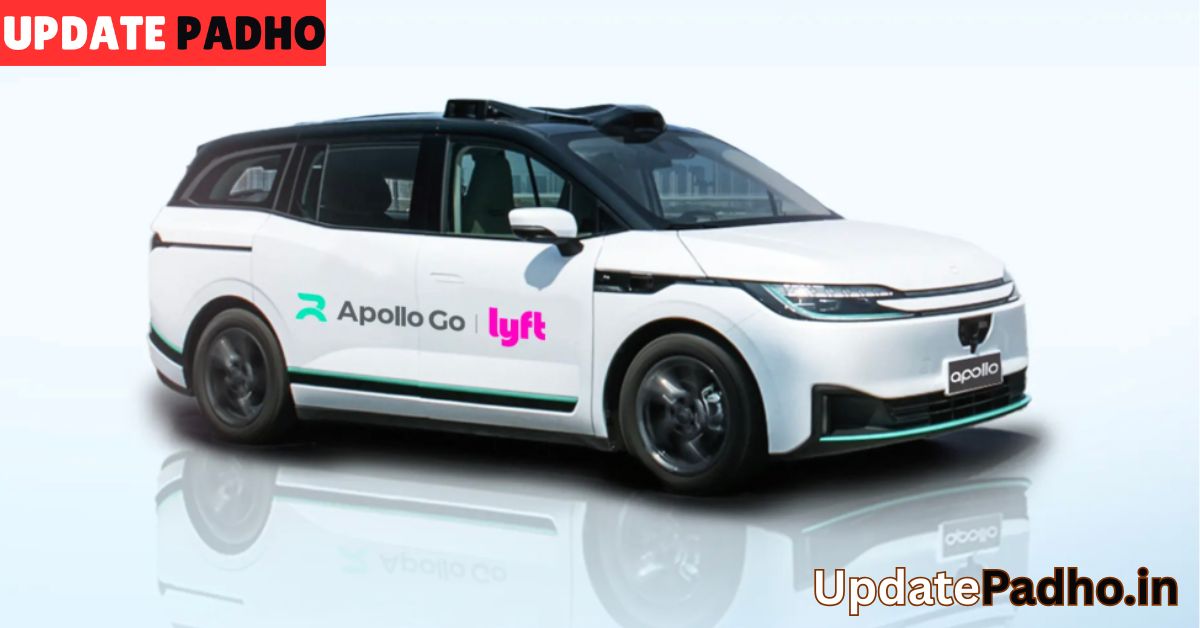
The race to bring autonomous vehicles to city streets is accelerating, and the UK is about to become one of the most important battlegrounds. Uber and Lyft, two of the world’s largest ride-hailing companies, have announced plans to launch robotaxi trials in London in partnership with Baidu, the Chinese tech giant behind the Apollo Go autonomous platform.
This move positions the UK as a leading testbed for driverless technology in Europe, thanks to the Automated Vehicles Act 2024, which provides a clear legal framework for liability and operations. With Alphabet’s Waymo already conducting supervised tests in London, the arrival of Uber and Lyft’s robotaxis signals the beginning of direct competition between American and Chinese autonomous giants in a European capital.
Why London?
London offers a unique environment for testing autonomous vehicles:

- Dense traffic conditions: Ideal for stress-testing AI driving systems.
- Regulatory clarity: The UK’s Automated Vehicles Act shifts liability from drivers to manufacturers, encouraging innovation.
- Global visibility: Success in London could pave the way for expansion across Europe.
By choosing London, Uber and Lyft are not only tapping into a major urban market but also demonstrating confidence in the UK’s readiness to embrace autonomous mobility.
The Technology Behind the Robotaxis
The trials will use Baidu’s Apollo Go RT6 vehicles, which are purpose-built for autonomous driving. Key features include:
- Level 4 autonomy: Capable of handling most driving scenarios without human intervention.
- Advanced sensors: Lidar, radar, and cameras for 360-degree awareness.
- Passenger-focused design: Spacious interiors optimized for ride-hailing.
Uber, which abandoned its in-house autonomous program in 2020, is now pursuing partnerships to re-enter the driverless space. Lyft, meanwhile, has been steadily building its autonomous portfolio, making this collaboration a natural next step.

Benefits of Robotaxis
The introduction of robotaxis could reshape urban mobility in several ways:
- Reduced costs: Eliminating human drivers lowers operating expenses.
- 24/7 availability: Autonomous fleets can run continuously.
- Safety improvements: AI-driven vehicles may reduce accidents caused by human error.
- Environmental impact: Many robotaxis are electric, supporting sustainability goals.
Challenges Ahead
Despite the excitement, several challenges remain:
- Public trust: Convincing passengers to ride in driverless cars.
- Profitability: Robotaxi companies worldwide are still struggling to achieve sustainable margins.
- Infrastructure: Charging stations and maintenance hubs must scale up.
- Competition: Waymo, WeRide, and other players are already active in the UK market.
Comparison: Uber & Lyft Robotaxis vs Waymo
| Feature | Uber & Lyft (with Baidu) | Waymo |
|---|---|---|
| Launch timeline | 2026 trials in London | Already testing in London |
| Technology partner | Baidu Apollo Go RT6 | Alphabet’s Waymo Driver |
| Business model | Ride-hailing integration | Standalone robotaxi service |
| Global presence | Abu Dhabi, Dubai, Switzerland | US (Phoenix, San Francisco), UK |
Sources:

What This Means for the Future
The UK’s embrace of robotaxis could set the stage for hybrid networks, where autonomous vehicles operate alongside human drivers to balance demand. If successful, Uber and Lyft could roll out commercial services before the end of 2026, transforming how Londoners commute.
This isn’t just about technology—it’s about redefining urban life. Robotaxis promise safer roads, cleaner air, and more efficient transport. But they also raise questions about jobs, regulation, and the role of AI in everyday life.