
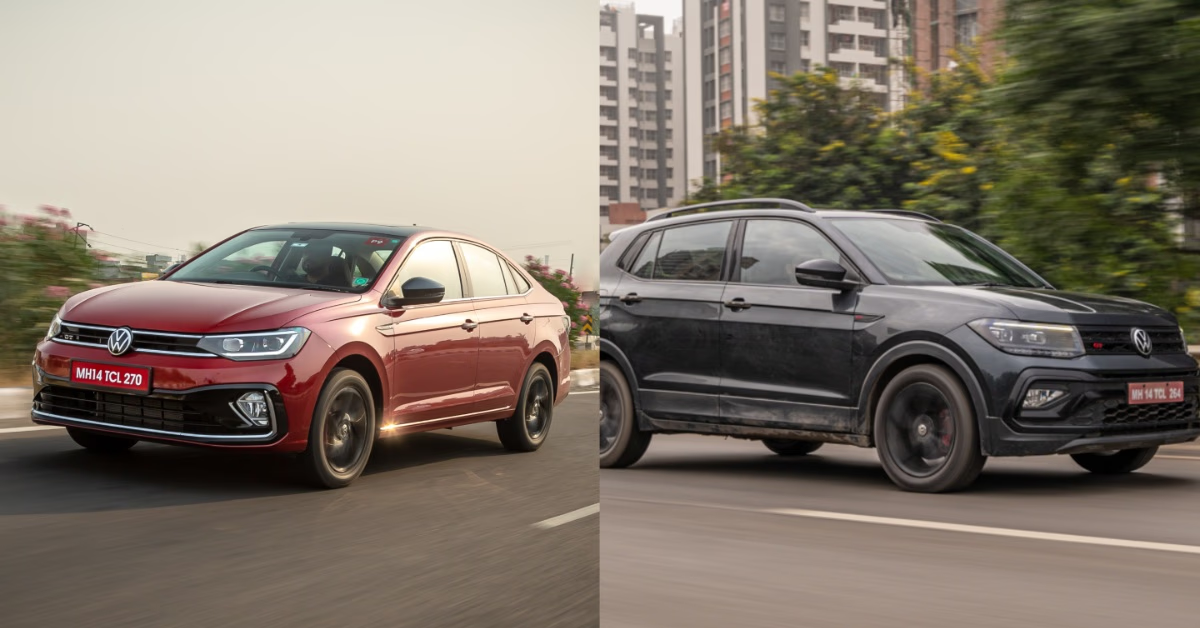
Volkswagen has taken a surprising yet strategic step in the Indian market by discontinuing the 1.5-litre turbo-petrol engine paired with the 6-speed manual gearbox on both the Volkswagen Virtus sedan and the Volkswagen Taigun SUV. This move marks the end of one of the most enthusiast-friendly powertrain combinations available in the premium midsize segment.
The decision has sparked mixed reactions among car buyers, performance enthusiasts, and automotive experts. While the 1.5 TSI engine remains on sale, it is now available only with automatic transmission options, fundamentally changing the driving experience and buyer choice.
Let’s take a detailed look at what has changed, why Volkswagen made this move, and what it means for Indian car buyers in 2026.
What Exactly Has Been Discontinued?
Volkswagen has officially stopped offering the 1.5-litre turbo-petrol TSI engine with a 6-speed manual gearbox on:
- Volkswagen Virtus GT
- Volkswagen Taigun GT
Buyers can no longer configure or purchase these variants at dealerships. The 1.5L TSI engine now comes exclusively with a DSG automatic transmission, while the manual gearbox remains available only with the 1.0-litre turbo-petrol engine.
This effectively removes the most powerful manual Volkswagen cars from the Indian lineup.
Why Was the 1.5L Manual Removed?
1. Declining Demand for Manual Performance Cars
Market data clearly indicates a steady shift toward automatic transmissions, especially in urban and premium segments. Even among performance-oriented buyers, the preference for convenience has overtaken manual driving involvement.

Volkswagen found that 1.5L manual variants accounted for a very small percentage of total sales, making them financially inefficient to continue.
2. Cost and Emissions Compliance
Maintaining multiple powertrain combinations increases production and compliance costs. With stricter emission norms and real-world fuel efficiency standards, simplifying the lineup helps Volkswagen optimize manufacturing and reduce certification expenses.
3. DSG as the Brand’s Performance Focus
Volkswagen is positioning the DSG automatic gearbox as its premium and performance offering. The brand believes that customers opting for the 1.5-litre turbo engine prefer quicker acceleration, smoother gear shifts, and advanced driving comfort—areas where DSG excels.
Why Enthusiasts Will Miss This Combination
The 1.5 TSI manual was one of the last true enthusiast-friendly setups in the mass market.
Key Highlights of the Discontinued Setup:
- 160 PS power output
- 250 Nm torque
- Light clutch and precise gear shifts
- Strong mid-range performance
- Superior highway driving engagement
For buyers who enjoyed full control over power delivery, especially on open highways and twisty roads, this decision is a major disappointment.
What Options Are Available Now?
1. 1.5L Turbo DSG (Still Available)
The 1.5-litre engine continues with a 7-speed DSG automatic, offering:
- Faster gear changes
- Better acceleration times
- Smooth city driving
- Premium driving feel
However, DSG ownership comes with higher maintenance costs and concerns about long-term reliability for some buyers.
2. 1.0L Turbo Manual
Buyers who still want a manual transmission can opt for the 1.0-litre turbo-petrol engine, which delivers:
- Balanced performance
- Better fuel efficiency
- Lower ownership cost
- Suitable for daily commuting
That said, it lacks the punch and thrill of the 1.5L motor.
Impact on Volkswagen Virtus Buyers
The Virtus positioned itself as a driver-focused midsize sedan, and the 1.5 manual variant was central to that image. With its removal:
- Enthusiast buyers may shift to competitors
- The sedan becomes more comfort-oriented
- Automatic variants gain more prominence
- Resale value of older 1.5 manual units may rise
Impact on Volkswagen Taigun Buyers
For the Taigun, the change aligns with current SUV market trends:
- Automatic SUVs dominate urban sales
- Buyers prioritize convenience over engagement
- DSG strengthens Taigun’s premium appeal
However, buyers looking for a fun-to-drive manual SUV now have fewer options.
How Does This Affect Competition?
Volkswagen’s move indirectly benefits rival brands offering powerful manual options, especially those targeting driving enthusiasts. It also signals a broader industry trend where manual transmissions are slowly being phased out from high-performance trims.
Expect more manufacturers to follow a similar strategy in the coming years.

Should You Still Consider Virtus or Taigun in 2026?
Yes, If You Want:
- Premium European build quality
- Advanced safety features
- Strong turbo-petrol performance
- Comfortable automatic driving experience
Reconsider, If You Want:
- Pure manual driving engagement
- Lower long-term maintenance
- Full control over gear shifts in a powerful engine
What This Means for the Indian Car Market
The discontinuation of the 1.5-litre manual setup is a clear indication that:
- Automatic cars are the future
- Performance is now linked with technology, not gear control
- Manual gearboxes may soon be limited to entry-level and budget segments
For enthusiasts, this is an emotional loss. For manufacturers, it’s a business-driven evolution.
Final Verdict
Volkswagen’s decision to discontinue the 1.5-litre turbo-petrol manual variants of Virtus and Taigun reflects changing buyer behavior and market realities. While it reduces choice for purists, it aligns with the growing demand for automatic, feature-rich, and convenience-focused vehicles.
If you value driving thrill over ease, this news may disappoint you. But if you prioritize smooth performance, modern tech, and urban comfort, Volkswagen’s current lineup still delivers strongly.
The era of powerful manual Volkswagens in India may be ending—but a new, more refined chapter is clearly underway.