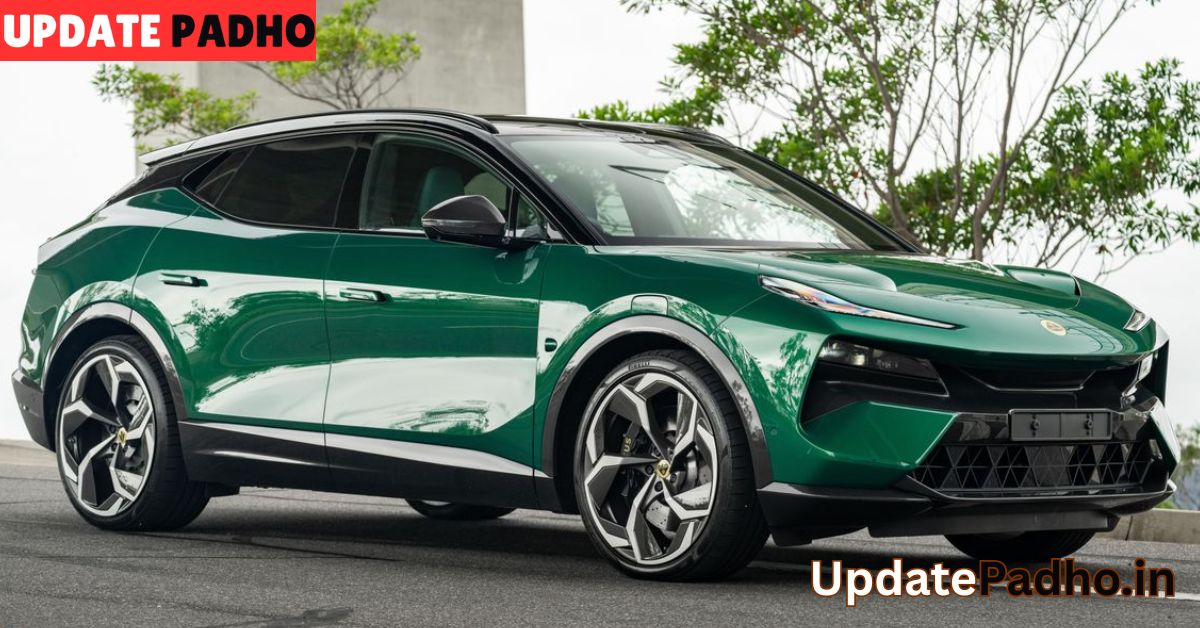
For years, the mandate at Hethel was clear: Vision 80. Launched to celebrate the brand’s 80th anniversary, this strategy promised that by 2028, Lotus would be a pure-electric brand. No more gasoline, no more pistons—just silent, neck-snapping torque.
But as we hit the midway point of 2026, the automotive landscape looks vastly different than it did in the optimistic boardroom meetings of 2018. Just this week, Lotus unveiled its new Focus 2030 strategy, and the headline is enough to make a purist weep with joy: The V8 is back.
1. The Reality Check: Why the Pivot?
Lotus isn’t the first luxury brand to tap the brakes on total electrification, and they won’t be the last. Several “external headwinds” forced this reset:
- Market Resilience: Global EV adoption hasn’t hit the hockey-stick growth curve many predicted. Range anxiety, fluctuating charging infrastructure, and a cooling interest in heavy “lifestyle” EVs have changed the game.
- The China Factor: While China is a leader in EVs, the demand for high-performance PHEVs (Plug-in Hybrid Electric Vehicles) is soaring.
- Brand DNA: Lotus is built on the philosophy of “Simplify, then add lightness.” Batteries are heavy. A lot of traditional Lotus fans struggled to reconcile the 2.5-ton Eletre SUV with the nimble legacy of the Elise.
2. Focus 2030: A Multi-Powertrain Future
The new strategy marks a significant “reset.” Instead of going 100% electric by 2028, Lotus is now targeting a volume mix of 60% Hybrid and 40% BEV.

This isn’t a retreat into the past; it’s a diversification. Lotus will now pursue an “agile approach” across three categories:
- BEV (Battery Electric): The Eletre SUV and Emeya Hyper-GT remain core pillars.
- PHEV (Hybrid): A new “X-Hybrid” system.
- ICE (Internal Combustion): Continued production and updates for the beloved Emira.
3. The Return of the King: The V8 Hybrid Supercar
The biggest shockwave from the May 2026 announcement is the Type 135 (codenamed “Vision X”). Originally slated to be a lightweight electric sports car, Lotus has confirmed it will now debut in 2028 with a V8 hybrid powertrain.
With a targeted output of over 1,000 PS, this car isn’t just a nod to heritage—it’s a shot across the bow of Ferrari and McLaren. By pairing a high-revving V8 with electric assistance, Lotus hopes to achieve the emotional engagement of a classic supercar while maintaining the “instant-on” performance of an EV.
4. The “X-Hybrid” and the Eletre Evolution
Lotus has already begun integrating this new philosophy with the Eletre X (known as the “For Me” in China). This “Hyper-SUV” uses a 900V platform and a 70 kWh battery paired with a turbocharged engine to offer a staggering 1,200 km (745 miles) of total range.

This addresses the number one complaint of premium buyers: the fear of being tethered to a charger on a long weekend trip. By using a smaller battery and a high-efficiency motor, Lotus can theoretically keep the weight lower than a pure-electric equivalent while keeping the performance high.
5. Continuity for the Emira
For those who feared the Emira was the “last of its kind,” there is good news. Lotus confirmed that Emira continuity is a priority. In fact, the company is set to unveil an update in the coming weeks promised to be the most powerful and lightest Emira ever built. It seems the petrol-powered sports car has earned a stay of execution thanks to sustained consumer demand.
Final Thoughts: A Smarter Lotus?
The vow to go “All-EV” was a bold statement of intent, but the pivot to Focus 2030 is a move of survival and sophistication. Lotus is realizing that being a “driver’s brand” means giving drivers what they actually want—and right now, they want the choice between the silent surge of a motor and the mechanical symphony of an engine.
The “SUV of two wheels” philosophy has moved from the X-ADV into the four-wheeled world: versatility is the new luxury. Lotus is no longer just an EV company; it’s a performance company that happens to use electricity. And for anyone who loves the smell of high-octane fuel, that is a very good thing.