
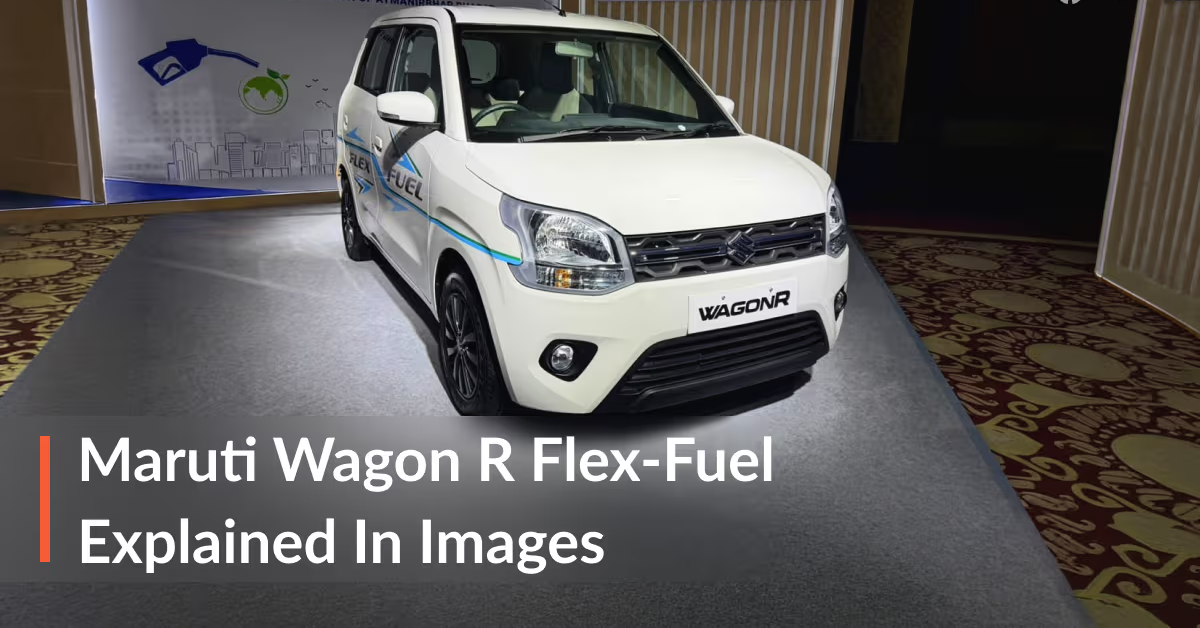
India’s automotive industry is rapidly evolving as manufacturers search for cleaner and more sustainable alternatives to conventional petrol and diesel vehicles. Among the most promising innovations is flex-fuel technology, which allows vehicles to run on different blends of petrol and ethanol. Maruti Suzuki has taken a significant step in this direction by showcasing the Wagon R Flex-Fuel, a vehicle designed to support India’s growing focus on alternative fuels and reduced carbon emissions.
The Wagon R has always been one of the country’s most popular hatchbacks due to its practicality, affordability, spacious cabin, and low maintenance costs. With the introduction of flex-fuel technology, Maruti aims to combine these strengths with environmental responsibility and fuel flexibility.
In this detailed article, we take a comprehensive look at the Maruti Wagon R Flex-Fuel, its technology, features, advantages, expected impact on the automotive market, and why it represents an important milestone for India’s transportation future.
What Is a Flex-Fuel Vehicle?
A flex-fuel vehicle is equipped with an engine capable of operating on multiple fuel blends. These vehicles can run on regular petrol, ethanol, or a mixture of both without requiring any major modifications from the driver.
Ethanol is a renewable biofuel produced from agricultural products such as sugarcane, corn, and other biomass sources. Since it is derived from renewable resources, ethanol is considered a cleaner alternative to fossil fuels.
The Wagon R Flex-Fuel has been engineered to support high ethanol blends, making it one of the most significant examples of alternative-fuel technology developed specifically for Indian conditions.
Why Flex-Fuel Technology Matters
The growing demand for fuel and rising environmental concerns have encouraged governments and automobile manufacturers to explore sustainable alternatives. Flex-fuel technology addresses several key challenges.
Reduced Dependence on Crude Oil
India imports a large portion of its crude oil requirements. By promoting ethanol-based fuels, the country can reduce its dependence on imported petroleum products and strengthen energy security.
Lower Carbon Emissions
Ethanol burns cleaner than conventional petrol, resulting in reduced greenhouse gas emissions. This contributes to improved air quality and supports national environmental goals.
Support for Farmers
Since ethanol is produced from agricultural feedstock, increased ethanol demand can create additional income opportunities for farmers and support the agricultural economy.
Fuel Flexibility
Drivers gain the flexibility to use different fuel blends depending on availability and pricing, making vehicle ownership more practical and economical.
Exterior Design of the Wagon R Flex-Fuel
At first glance, the Wagon R Flex-Fuel retains the familiar tall-boy design that has made the Wagon R a household name. The vehicle continues to offer excellent headroom, comfortable seating, and easy entry and exit.
While maintaining its recognizable appearance, the flex-fuel version incorporates subtle design updates that highlight its eco-friendly nature. Special badging and unique visual elements help distinguish it from the standard model.
The vehicle’s compact dimensions make it ideal for urban driving while still offering impressive interior space for passengers and luggage.

Engine and Performance
One of the most exciting aspects of the Wagon R Flex-Fuel is its specially engineered powertrain.
The engine has been modified to handle high ethanol concentrations while maintaining reliable performance and efficiency. Components such as fuel injectors, fuel pumps, and engine management systems have been optimized to ensure smooth operation across various fuel blends.
Drivers can expect:
- Smooth acceleration
- Refined driving experience
- Consistent engine performance
- Improved combustion efficiency
- Compatibility with multiple fuel types
The advanced engine calibration allows seamless adjustment based on the ethanol content present in the fuel tank.
How Flex-Fuel Technology Works
The Wagon R Flex-Fuel uses sophisticated sensors and engine control systems to determine the fuel composition being used.
When the driver fills the vehicle with a particular blend of ethanol and petrol, sensors identify the fuel ratio and automatically adjust engine parameters such as:
- Fuel injection timing
- Air-fuel mixture
- Ignition timing
- Combustion management
This intelligent adaptation ensures optimal performance regardless of the fuel blend being used.
As a result, drivers do not need to make any manual adjustments when switching between fuels.
Interior Features and Comfort
The Wagon R has always been appreciated for its practical and spacious cabin, and the flex-fuel version continues this tradition.
Inside, occupants can expect:
Spacious Cabin
The tall-boy architecture provides generous headroom and ample legroom for both front and rear passengers.
User-Friendly Dashboard
The dashboard layout remains intuitive and functional, allowing drivers to access controls easily.
Comfortable Seating
Supportive seats ensure a pleasant driving experience, whether commuting in the city or traveling longer distances.
Smart Connectivity
Modern infotainment features enhance convenience and entertainment during daily journeys.

Practical Storage Spaces
Numerous storage compartments improve cabin usability and help organize personal belongings effectively.
Environmental Benefits
Environmental sustainability is one of the strongest arguments in favor of flex-fuel vehicles.
Reduced Greenhouse Gas Emissions
Ethanol-based fuels generally produce lower net carbon emissions compared to conventional fossil fuels.
Cleaner Combustion
The combustion process generates fewer harmful pollutants, contributing to better air quality.
Renewable Energy Source
Unlike petroleum, ethanol can be continuously produced through agricultural activities, making it a renewable energy solution.
Sustainable Mobility
Flex-fuel vehicles serve as an important bridge between traditional internal combustion engines and future electric mobility solutions.
Economic Advantages for Consumers
Apart from environmental benefits, flex-fuel technology may also offer financial advantages.
Potential Fuel Savings
Depending on fuel prices and government policies, ethanol-based fuels may provide cost benefits compared to conventional petrol.
Long-Term Affordability
The Wagon R’s reputation for low maintenance costs is expected to continue with the flex-fuel variant.
Wider Fuel Choices
Drivers are not restricted to a single fuel type, providing greater flexibility and convenience.
Improved National Energy Security
A reduction in fuel imports can have positive economic effects that ultimately benefit consumers and the broader economy.
Safety Features
Safety remains a critical priority for modern vehicles, and the Wagon R Flex-Fuel is expected to incorporate important protective technologies.
Potential safety features include:
- Dual airbags
- Anti-lock Braking System (ABS)
- Electronic Brakeforce Distribution (EBD)
- Rear parking sensors
- Seatbelt reminders
- High-strength body structure
- Child safety provisions
These features contribute to safer daily commuting and family transportation.

Impact on India’s Automobile Industry
The introduction of the Wagon R Flex-Fuel represents more than just a new vehicle launch. It symbolizes a broader transformation within the Indian automotive landscape.
As fuel technologies continue to evolve, flex-fuel vehicles may play a vital role in helping India achieve its sustainability objectives.
Benefits for the industry include:
- Increased innovation
- Diversification of fuel options
- Reduced environmental impact
- Strengthened domestic fuel production
- Enhanced technological development
The success of vehicles like the Wagon R Flex-Fuel could encourage other manufacturers to accelerate investments in alternative-fuel technologies.
Future of Flex-Fuel Vehicles in India
India is actively promoting ethanol blending and renewable fuel adoption. As ethanol infrastructure expands and production increases, flex-fuel vehicles could become a common sight on Indian roads.
Several factors support this growth:
- Government initiatives promoting ethanol usage
- Expanding fuel distribution networks
- Rising environmental awareness
- Consumer demand for sustainable mobility
- Advances in engine technology
Flex-fuel vehicles may coexist alongside electric vehicles, hybrids, and conventional engines as part of a diversified transportation ecosystem.
Final Thoughts
The Maruti Wagon R Flex-Fuel demonstrates how established automotive platforms can evolve to meet modern environmental and economic challenges. By combining proven practicality with advanced fuel flexibility, the vehicle offers a glimpse into the future of sustainable transportation in India.
For buyers seeking an affordable, practical, and environmentally conscious vehicle, the Wagon R Flex-Fuel represents a promising development. Its ability to operate on multiple fuel blends, reduce emissions, and support renewable energy initiatives makes it an important step toward cleaner mobility.
As India moves toward greener transportation solutions, the Wagon R Flex-Fuel stands out as a significant innovation that balances affordability, efficiency, and sustainability. It showcases how future-ready technology can be integrated into a familiar and trusted vehicle, making eco-friendly mobility accessible to millions of consumers.