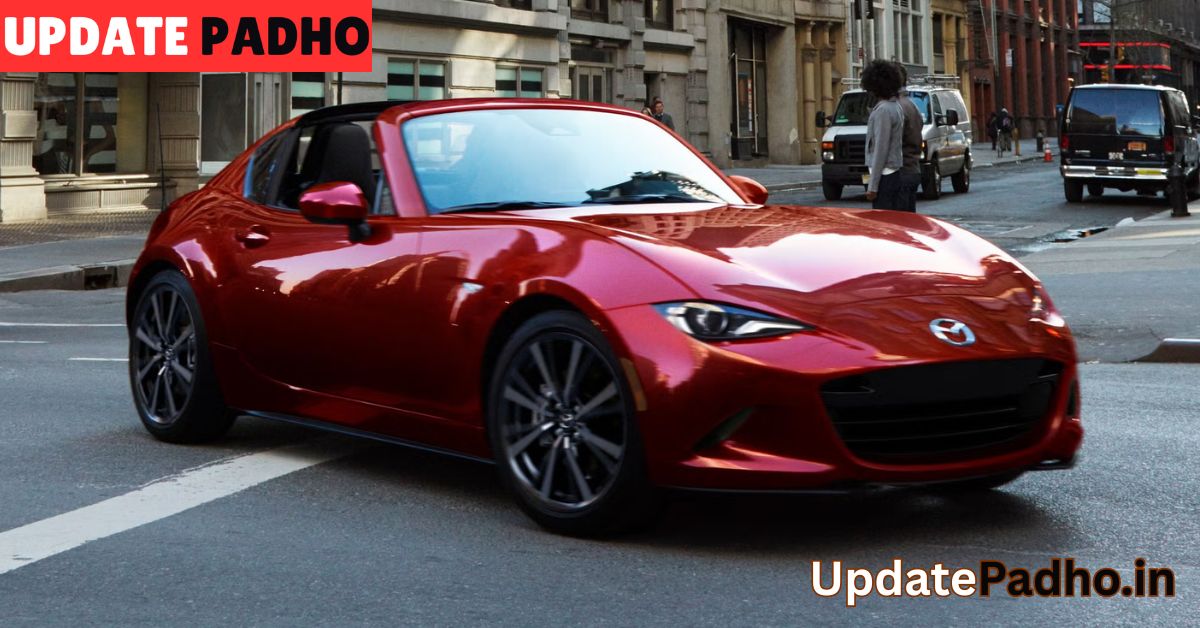
The Mazda Miata (MX-5) is the world’s best-selling two-seat convertible sports car, celebrated for its lightweight design, balanced handling, and timeless driving fun. Since its debut in 1989, it has become a cultural icon, blending affordability with pure driving pleasure.

Origins and Philosophy
- Debut: Introduced at the 1989 Chicago Auto Show, the Miata was Mazda’s answer to the fading era of classic European roadsters.
- Design Credo: Built under the philosophy of Jinba Ittai (“horse and rider as one”), emphasizing harmony between driver and machine.
- Inspiration: Modeled after cars like the Lotus Elan, Triumph Spitfire, and MGB, but with Japanese reliability and engineering precision.
Generations of the Miata
- NA (1989–1997)
- Pop-up headlights, minimalist design.
- Lightweight (under 1,100 kg) with near-perfect 50:50 weight distribution.
- Cult following for its simplicity and affordability.
- NB (1998–2005)
- Fixed headlights, refined styling.
- Improved safety features and slightly more power.
- NC (2005–2015)
- Larger body, more comfort-oriented.
- Introduction of retractable hardtop option.
- ND (2015–Present)
- Return to lightweight ethos, sharper styling.
- MX-5 RF (Retractable Fastback) introduced in 2016, offering coupe-like looks with convertible freedom.
Why the Miata Stands Out
- Driving Experience: Its small size, rear-wheel drive, and responsive steering make it one of the most engaging cars to drive.
- Affordability: Unlike many sports cars, the Miata has always been priced to be accessible.
- Reliability: Unlike its European predecessors, the Miata is known for durability and low maintenance.
- Community: A massive global fan base, with countless clubs, racing events, and aftermarket support.
Cultural Impact
- The Miata didn’t just sell cars—it revived the roadster market at a time when small sports cars were nearly extinct.
- Over 1 million units sold worldwide, making it the best-selling two-seat convertible in history.
- It remains a favorite for autocross, track days, and weekend drives, proving that driving joy doesn’t require supercar horsepower.
Risks & Trade-offs
- Practicality: Limited trunk space and seating for two.
- Power: Not the fastest sports car—its charm lies in handling, not raw speed.
- Weather: Soft-top versions may not be ideal for extreme climates, though the RF hardtop improves usability.
Conclusion
The Mazda Miata is more than a car—it’s a philosophy. By prioritizing connection over horsepower, Mazda created a roadster that continues to inspire generations of drivers. Whether you’re carving mountain roads or cruising city streets, the Miata proves that driving fun is timeless, affordable, and accessible.