
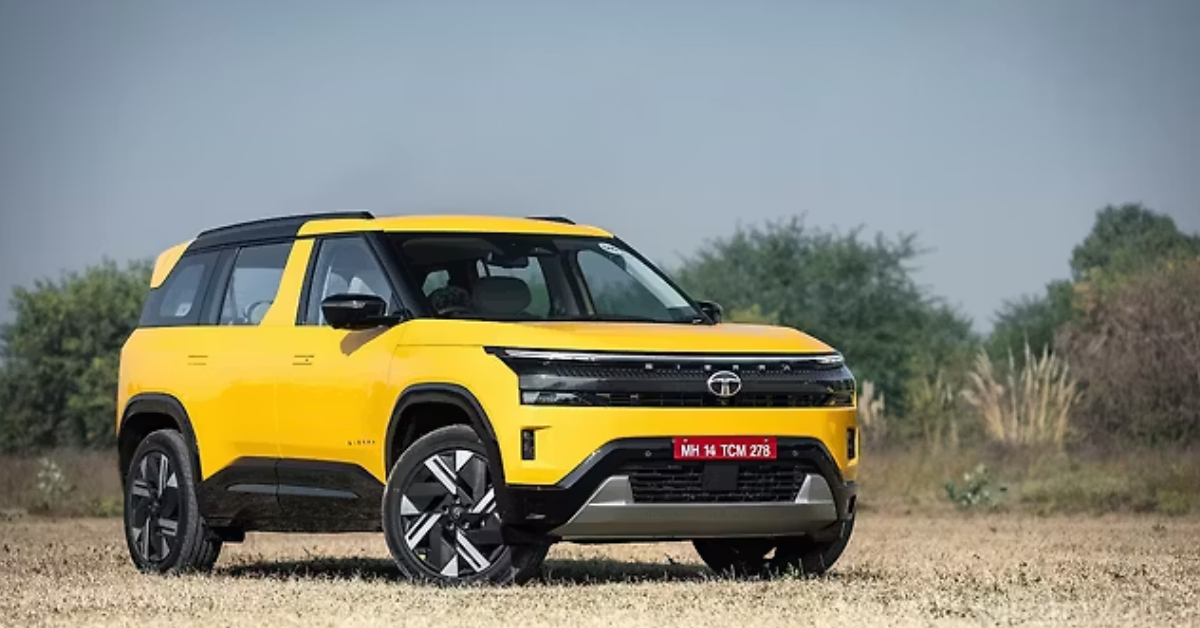
The return of the Tata Sierra has generated massive excitement in the Indian automotive market. As one of the most iconic names from the past, its comeback in a modern avatar—likely featuring both internal combustion and electric powertrains—marks a significant moment.
Now that the official mileage figures have been revealed, buyers finally have a clearer picture of what to expect from this highly anticipated SUV. But numbers alone don’t tell the full story. What really matters is how these figures translate into real-world usability, running costs, and long-term ownership value.
In this blog, we break down the Tata Sierra’s official mileage figures, analyze what they mean, and help you understand whether this SUV lives up to expectations.
Official Mileage Figures: What We Know So Far
The Tata Sierra is expected to be offered in multiple powertrain options, including petrol, diesel, and electric variants.
Expected Official Figures
- Petrol variant: Around 16–18 km/l
- Diesel variant: Around 18–20 km/l
- Electric variant: Estimated 450–500 km range per charge
These figures place the Sierra right in line with modern mid-size SUVs, making it competitive across different buyer preferences.
Petrol Variant: Balanced but Not Class-Leading
The petrol version of the Tata Sierra is designed for smooth and refined driving.
Mileage Insight
With an official figure of 16–18 km/l, the petrol variant offers decent efficiency for urban and mixed driving conditions.
What Affects Petrol Mileage
- Traffic congestion
- Driving habits
- Load and passenger weight
- Air conditioning usage
Real-World Expectation
- City: 12–14 km/l
- Highway: 16–18 km/l
While not the most fuel-efficient option, the petrol variant appeals to buyers who prioritize refinement and lower upfront cost.

Diesel Variant: The Efficiency Champion
Diesel engines continue to be the go-to choice for buyers seeking better mileage, especially for long-distance travel.
Mileage Insight
The Sierra’s diesel variant is expected to deliver 18–20 km/l, making it one of the more efficient options in its segment.
Why Diesel Performs Better
- Higher torque at lower RPMs
- Better fuel economy during long drives
- Lower fuel consumption under load
Real-World Expectation
- City: 15–17 km/l
- Highway: 19–21 km/l
For frequent highway users or those with high monthly usage, the diesel variant is likely the most cost-effective option.
Electric Variant: A Game-Changer in Efficiency
The electric version of the Tata Sierra is perhaps the most exciting.
Range Insight
With an expected range of 450–500 km, it positions itself as a strong contender in the EV SUV segment.
What Impacts EV Range
- Driving speed
- Regenerative braking usage
- Climate control usage
- Terrain and road conditions
Real-World Expectation
- City: 400–450 km
- Highway: 350–400 km
While EV range can vary, these figures are more than sufficient for daily commuting and even intercity travel with proper planning.
Mileage vs Segment Rivals
The Tata Sierra enters a highly competitive space where mileage plays a crucial role.
How It Stacks Up
- Petrol efficiency is on par with rivals
- Diesel offers strong competition in efficiency
- EV range is competitive with modern electric SUVs
Rather than aiming to dominate in one area, the Sierra offers a balanced approach across all powertrains.

Running Cost Comparison
Mileage directly affects running costs, which is a key decision factor.
Petrol Running Cost
- Higher fuel cost per km
- Lower maintenance compared to diesel
Diesel Running Cost
- Lower cost per km
- Better for long-distance driving
Electric Running Cost
- Lowest cost per km
- Minimal maintenance requirements
Over time, the electric variant offers the most savings, especially for high-usage drivers.
Driving Style & Its Impact on Mileage
Regardless of the variant, your driving style plays a huge role.
To Maximize Mileage
- Maintain steady speeds
- Avoid aggressive acceleration
- Use cruise control on highways
- Keep tyres properly inflated
To Avoid
- Sudden braking
- Overloading the vehicle
- Driving at high RPMs unnecessarily
Efficient driving can improve mileage by up to 10–15%.
Urban vs Highway Efficiency
City Driving
- Petrol: Moderate efficiency
- Diesel: Good efficiency
- EV: Excellent efficiency due to regenerative braking
Highway Driving
- Petrol: Stable but average
- Diesel: Excellent
- EV: Slight drop in efficiency at higher speeds
Choosing the right variant depends heavily on your usage pattern.
Maintenance & Long-Term Efficiency
Mileage is not just about fuel—it’s also about how well the vehicle maintains efficiency over time.
Key Maintenance Tips
- Regular servicing
- Clean air filters
- Proper engine oil
- Battery health monitoring (for EV)
Neglecting maintenance can significantly reduce efficiency across all variants.
What These Figures Mean for Buyers
The official mileage figures of the Tata Sierra indicate that it is designed to cater to a wide audience.

For City Users
- Petrol and EV variants are ideal
For Highway Travelers
- Diesel variant is the best choice
For Cost-Conscious Buyers
- EV offers long-term savings
For Balanced Usage
- Diesel provides the best mix of performance and efficiency
The Bigger Picture: Efficiency Meets Modern Design
The Tata Sierra is not just about mileage—it’s about combining efficiency with:
- Modern design
- Advanced technology
- Spacious interiors
- Strong road presence
The mileage figures simply reinforce its position as a practical and future-ready SUV.
Final Thoughts
The official mileage figures of the Tata Sierra paint a promising picture.
With:
- Petrol offering balanced performance
- Diesel delivering strong efficiency
- EV providing impressive range and low running costs
…the Sierra caters to a wide range of buyers with different needs.
What makes it stand out is its versatility. Instead of focusing on just one type of buyer, Tata has created a product that adapts to different lifestyles and driving patterns.
In a market where fuel efficiency and running costs are more important than ever, the Tata Sierra seems well-prepared to meet expectations.