
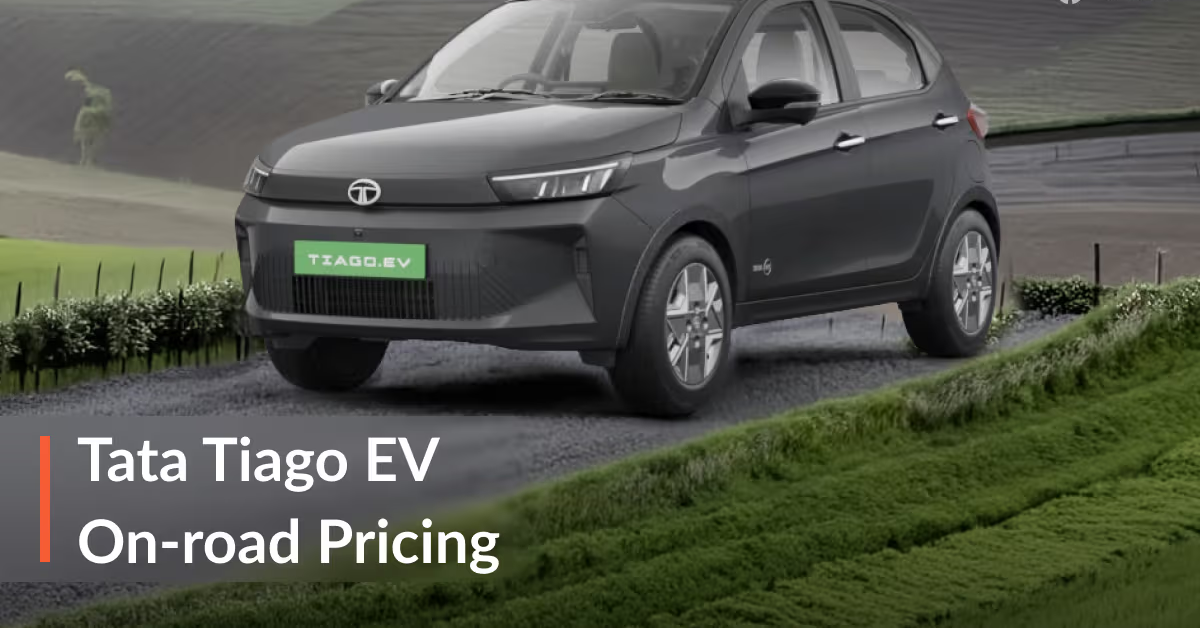
The Indian electric vehicle market is growing rapidly, and Tata Motors continues to play a major role in this transformation. Among the company’s most successful electric offerings, the Tata Tiago EV has become a popular choice for buyers looking to switch from conventional petrol-powered cars to a more affordable and eco-friendly driving solution.
With the arrival of the 2026 Tata Tiago EV Facelift, interest among potential buyers has increased significantly. The facelifted model is expected to bring refreshed styling, updated features, enhanced technology, and an even more appealing ownership experience. However, one of the most important questions for buyers remains the same: how much does it actually cost to bring the vehicle home?
Many customers focus only on the advertised price of the car, but the final amount paid is usually much higher. Registration fees, insurance costs, accessories, charging equipment, and several other charges contribute to the total on-road price.
This detailed guide explains everything you need to know about the Tata Tiago EV Facelift’s on-road pricing, ownership expenses, and long-term value.
Understanding the Difference Between Ex-Showroom and On-Road Price
Before purchasing any vehicle, it is important to understand the distinction between ex-showroom and on-road pricing.
The ex-showroom price is the manufacturer’s listed price before additional expenses are added.
The on-road price includes:
- Ex-showroom vehicle cost
- Registration charges
- Insurance premiums
- Road tax (where applicable)
- Fastag charges
- Handling fees
- Optional accessories
- Extended warranty packages
As a result, the final amount paid by the buyer can be considerably higher than the advertised price.
Why On-Road Prices Differ Across Cities
The Tata Tiago EV Facelift may have a similar ex-showroom price nationwide, but its on-road price can vary depending on location.
Factors responsible for this variation include:
- State-level tax policies
- Registration fees
- Insurance rates
- Local dealer charges
- Municipal regulations
Different states often provide varying levels of support for electric vehicles, which can influence the final cost.
What Makes EV Pricing Different?
Unlike traditional petrol vehicles, electric vehicles have a slightly different ownership structure.
While the purchase price may initially appear higher, EVs often compensate through:
- Lower running costs
- Reduced maintenance expenses
- Affordable charging
- Long-term savings
Therefore, evaluating only the purchase price does not provide the complete financial picture.
Tata Tiago EV Facelift Variants and Pricing Strategy
The Tiago EV lineup is expected to continue offering multiple variants designed for different customer needs.
These may include:

- Entry-level variants
- Mid-spec variants
- Premium variants
- Long-range versions
- Feature-rich trims
Each variant influences the final on-road price differently depending on its equipment level and battery configuration.
Registration Charges Explained
Vehicle registration remains a mandatory requirement even for electric vehicles.
Registration fees typically depend on:
- Vehicle category
- State regulations
- Applicable taxes
- Administrative charges
Although some regions encourage EV adoption through reduced fees, buyers should still account for registration expenses in their purchase budget.
Insurance Costs for the Tata Tiago EV Facelift
Insurance remains one of the most significant additions to the final purchase price.
For an electric vehicle, insurance premiums are generally influenced by:
- Vehicle value
- Variant selection
- Coverage type
- Add-on protection options
- Regional factors
Most buyers choose comprehensive insurance coverage to protect against:
- Accidental damage
- Theft
- Natural disasters
- Fire incidents
- Third-party liabilities
Comprehensive protection ensures greater peace of mind during ownership.
Home Charging Setup Costs
One aspect unique to EV ownership is charging infrastructure.
Many buyers install home charging solutions for convenience.
Potential expenses may include:
- Charging equipment
- Electrical upgrades
- Installation charges
- Additional wiring requirements
Although these expenses increase the initial investment, they contribute to long-term convenience and savings.
Accessories and Optional Upgrades
Like conventional vehicles, the Tata Tiago EV Facelift is expected to offer various accessories.
Popular additions often include:
- Premium floor mats
- Seat covers
- Door protectors
- Vehicle styling kits
- Interior enhancements
- Storage accessories
While optional, these upgrades can increase the final purchase cost.
Extended Warranty and Protection Plans
Many buyers choose to purchase extended warranty packages when buying an EV.

Benefits include:
- Additional coverage period
- Reduced repair concerns
- Better ownership confidence
- Improved resale appeal
Though optional, extended protection plans are increasingly popular among EV buyers.
Charging Costs: The Biggest Long-Term Advantage
One of the strongest financial benefits of owning a Tata Tiago EV is the significantly lower energy cost compared to traditional fuel-powered vehicles.
Electric charging generally offers:
- Lower daily operating expenses
- Predictable energy costs
- Reduced dependency on fuel prices
- Improved monthly savings
For regular commuters, these savings can become substantial over time.
Maintenance Costs Remain Lower
Electric vehicles typically require less maintenance than internal combustion vehicles.
Benefits include:
- Fewer moving parts
- No engine oil changes
- Reduced mechanical wear
- Lower servicing requirements
The Tata Tiago EV continues to benefit from these inherent EV advantages.
Monthly Ownership Economics
When evaluating affordability, buyers should consider monthly ownership costs rather than focusing only on purchase price.
Typical monthly expenses may include:
- Charging costs
- Insurance renewals
- Routine maintenance
- Parking charges
- Cleaning expenses
Even after accounting for these factors, EV ownership often remains economically attractive.
Petrol Car vs Tiago EV: Cost Perspective
Many buyers compare the Tiago EV with similarly priced petrol hatchbacks.
The EV offers advantages such as:
- Lower running costs
- Reduced maintenance expenses
- Quieter driving experience
- Instant torque delivery
- Environment-friendly operation
While the initial purchase price may be higher, ownership savings often narrow the gap over time.
Resale Value Considerations
As EV adoption continues to grow, resale value becomes an important consideration.
Factors supporting resale potential include:

- Growing demand for EVs
- Increasing charging infrastructure
- Brand reputation
- Reliability perception
- Lower operating costs
A strong resale value can significantly improve overall ownership economics.
Who Should Consider the Tata Tiago EV Facelift?
The vehicle is particularly suitable for:
Urban Commuters
Drivers who cover predictable daily distances.
Office Professionals
Users looking to reduce transportation expenses.
Small Families
Families seeking practical and economical mobility.
First-Time EV Buyers
Customers interested in entering the electric vehicle market without purchasing a premium-priced EV.
Tips to Reduce Your Final Purchase Cost
Before finalizing your purchase, consider these strategies:
- Compare dealer offers.
- Evaluate financing options carefully.
- Avoid unnecessary accessories.
- Select the variant that best suits your needs.
- Consider bundled insurance packages.
- Review extended warranty benefits before purchasing.
These steps can help optimize your overall spending.
Why the Tiago EV Facelift Remains a Smart Choice
The facelifted Tiago EV is expected to strengthen its position in the affordable EV segment because it combines:
- Practical dimensions
- Modern technology
- Efficient electric mobility
- Low operating costs
- Comfortable everyday usability
This balance appeals to a broad range of buyers.
Final Verdict
The 2026 Tata Tiago EV Facelift offers more than just a modern electric driving experience—it represents a long-term investment in lower operating costs and future-ready mobility. While the on-road price includes several components such as registration, insurance, charging infrastructure, accessories, and optional protection plans, understanding these expenses helps buyers make informed financial decisions.
More importantly, lower charging costs, reduced maintenance requirements, and attractive ownership economics help offset a significant portion of the initial investment over time. For city commuters, small families, and first-time EV buyers, the Tiago EV Facelift continues to be one of the most practical and accessible electric vehicles available.
If you’re considering switching to electric mobility, evaluating the complete on-road cost rather than just the ex-showroom price will provide a much clearer picture of the true ownership experience. The Tata Tiago EV Facelift remains a compelling choice for buyers seeking affordability, efficiency, and modern technology in one package.