
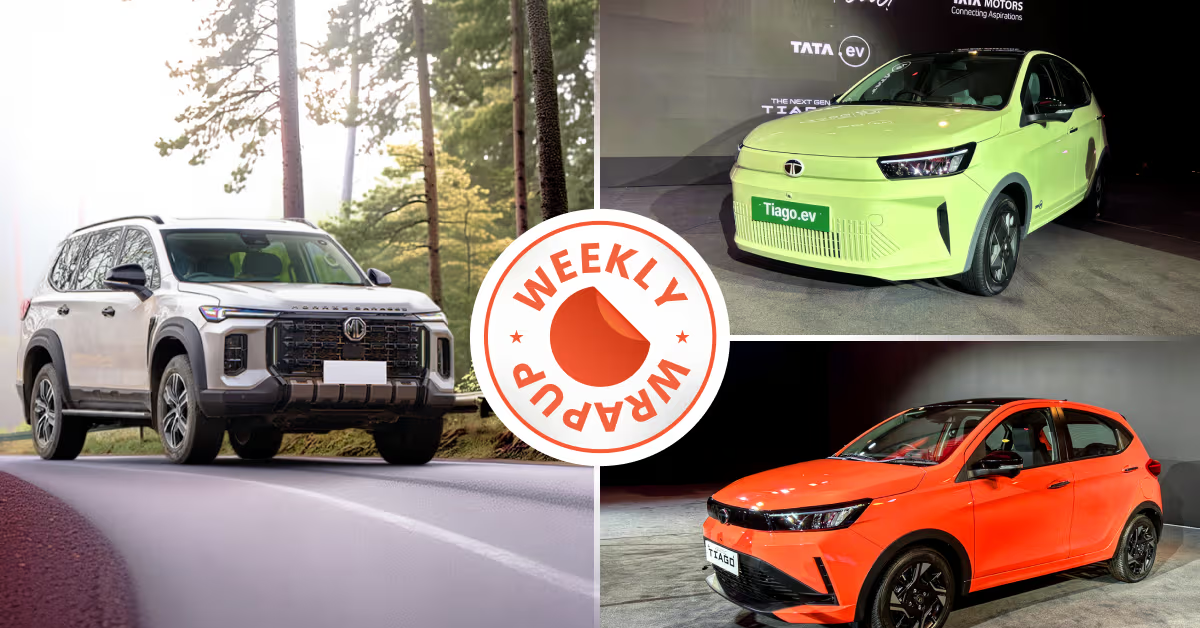
The Indian automobile industry witnessed another action-packed week filled with important launches, vehicle updates, technology announcements, and market developments. As manufacturers continue competing for customer attention, every week brings new products, refreshed variants, advanced safety technologies, and exciting innovations.
This week’s biggest headlines were dominated by Tata Motors updating its popular Tiago range and MG introducing a new flagship SUV aimed at premium buyers. Alongside these major developments, several other announcements highlighted how rapidly the automotive landscape is evolving.
From affordable hatchbacks and family SUVs to connected vehicle technologies and electric mobility solutions, the latest updates provide valuable insights into where the industry is heading.
Let’s take a detailed look at the biggest automotive stories that captured attention this week.
Tata Strengthens Its Popular Tiago Lineup
Tata Motors remains one of the most influential brands in the Indian automotive market, and this week the company once again generated significant excitement with updates to its popular Tiago family.
The Tiago has consistently been among the most successful hatchbacks in the country thanks to its combination of affordability, safety, practicality, and modern styling.
Why the Tiago Continues to Matter
The Tiago appeals to a wide variety of buyers, including:
- First-time car owners
- Young professionals
- Small families
- Budget-conscious customers
- Urban commuters
Its strong reputation for build quality and safety has helped it remain competitive despite increasing competition.
Key Updates Introduced
The latest updates focus on improving the overall ownership experience.
Areas receiving attention include:
- Refreshed exterior styling
- Enhanced interior features
- Updated technology packages
- Improved convenience equipment
- Better value propositions across variants
These changes help keep the Tiago relevant in a segment where customer expectations continue to rise.
Focus on Value
One of Tata’s strongest strategies has been offering premium features without significantly increasing costs.
The latest updates continue this approach by ensuring buyers receive modern technology and practical features at competitive price points.
This balance remains a major reason behind the Tiago’s popularity.
MG Launches A New Flagship SUV
The biggest premium launch of the week came from MG, which introduced a new flagship SUV aimed at buyers seeking luxury, advanced technology, and premium comfort.
The launch highlights the growing demand for upscale SUVs in India.
Expanding Premium SUV Options
The SUV market continues to dominate automotive sales, and premium buyers increasingly expect vehicles that combine:
- Luxury interiors
- Advanced safety systems
- High-end technology
- Strong performance
- Impressive road presence
The new flagship SUV is positioned to address these expectations.
Modern Exterior Design
The vehicle features a bold design philosophy with:
- Large front grille
- Sharp LED lighting elements
- Premium alloy wheels
- Sculpted body panels
- Distinctive rear styling
The overall appearance reflects the growing trend toward aggressive yet sophisticated SUV designs.
Technology-Focused Cabin
Inside, the focus shifts toward digital experiences and passenger comfort.
Highlights typically include:

- Large touchscreen displays
- Fully digital instrumentation
- Connected car features
- Premium audio systems
- Wireless connectivity
- Advanced climate control solutions
These technologies are becoming essential for premium vehicle buyers.
Growing Demand For Connected Vehicle Technology
Another major trend highlighted this week is the rapid expansion of connected vehicle ecosystems.
Manufacturers increasingly view software and connectivity as key differentiators.
What Connected Cars Offer
Modern connected vehicles provide access to features such as:
- Remote vehicle monitoring
- Smartphone integration
- Live diagnostics
- Navigation assistance
- Security alerts
- Vehicle health reports
These functions improve convenience while enhancing the ownership experience.
Digital Expectations Continue To Rise
Today’s buyers expect their vehicles to function much like smartphones.
As a result, manufacturers are investing heavily in software platforms that allow vehicles to receive updates and deliver enhanced functionality over time.
This trend is expected to accelerate throughout 2026 and beyond.
Safety Technology Becomes More Accessible
Safety remained one of the most discussed topics this week.
Automakers are increasingly promoting safety features as major selling points rather than optional extras.
Evolution Of Vehicle Safety
Modern vehicles now include technologies that were previously limited to luxury segments.
Common features include:
- Multiple airbags
- Electronic Stability Control
- Hill Hold Assist
- Rear parking cameras
- Tire pressure monitoring systems
- Advanced braking technologies
These systems improve occupant protection and driver confidence.
Advanced Driver Assistance Systems
The industry is also seeing increased adoption of intelligent safety technologies.
Examples include:
- Adaptive cruise control
- Lane keeping assistance
- Blind spot monitoring
- Collision avoidance systems
- Driver attention monitoring
Such features represent the future of road safety and are gradually becoming available in more affordable vehicles.
Electric Vehicle Momentum Continues
The electric vehicle sector remained active throughout the week as manufacturers continued expanding their EV portfolios.
Why EV Adoption Is Growing
Several factors are driving increased interest in electric mobility:
- Lower operating costs
- Reduced maintenance expenses
- Improved charging infrastructure
- Better battery technology
- Environmental awareness
These advantages are encouraging more consumers to explore electric alternatives.
Improving Battery Performance
Recent developments in battery technology have significantly enhanced EV practicality.
Modern electric vehicles now offer:
- Longer driving ranges
- Faster charging capabilities
- Improved efficiency
- Greater reliability
As technology advances further, EV adoption is expected to accelerate rapidly.

Premium Features Reach Mainstream Vehicles
One of the most noticeable shifts in today’s market is the increasing availability of premium features across affordable segments.
This week’s announcements reinforced that trend.
Features Once Reserved For Luxury Cars
Many mainstream vehicles now include:
- Sunroofs
- Ventilated seats
- Wireless charging
- Large touchscreen displays
- Digital instrument clusters
- Premium sound systems
These features help manufacturers attract buyers seeking enhanced comfort and convenience.
Competition Benefits Consumers
As brands compete more aggressively, customers receive greater value for their money.
The result is a marketplace where even budget-friendly vehicles offer impressive equipment levels.
SUVs Continue Dominating Consumer Preferences
The SUV segment remained at the center of automotive discussions this week.
Manufacturers continue prioritizing SUV development because demand remains exceptionally strong.
Why Buyers Prefer SUVs
Several factors contribute to SUV popularity:
- Higher seating position
- Better road visibility
- Strong road presence
- Practical cabin layouts
- Flexible cargo capacity
These characteristics make SUVs attractive to families and individual buyers alike.
Segment Diversification
The market now includes:
- Micro SUVs
- Compact SUVs
- Mid-size SUVs
- Full-size SUVs
- Luxury SUVs
- Electric SUVs
This diversity ensures buyers can find options that suit virtually any budget.
Hybrid Technology Gains More Attention
Hybrid vehicles also received increased attention during the week.
Many manufacturers view hybrid technology as an important transitional solution between traditional combustion engines and fully electric powertrains.
Advantages Of Hybrid Systems
Hybrid vehicles typically offer:
- Improved fuel efficiency
- Reduced emissions
- Extended driving range
- Lower fuel costs
These benefits appeal to buyers who want greater efficiency without changing their driving habits significantly.
Growing Market Acceptance
Consumer awareness regarding hybrid technology continues to improve, encouraging manufacturers to expand their offerings.
The segment is expected to experience substantial growth over the next few years.
Customer Expectations Are Changing
This week’s developments highlighted how quickly customer expectations are evolving.
Modern buyers no longer focus solely on engine performance or pricing.
Instead, purchasing decisions increasingly involve:
Technology
Buyers expect seamless digital experiences.

Safety
Advanced protection systems are becoming essential.
Efficiency
Fuel economy and sustainability matter more than ever.
Comfort
Premium interiors and convenience features influence purchasing decisions.
Connectivity
Consumers want vehicles that integrate with their digital lifestyles.
Manufacturers that successfully address these priorities are likely to remain competitive.
What These Updates Mean For The Industry
The developments seen this week reveal several important industry trends.
Innovation Is Accelerating
Manufacturers are introducing new technologies at a faster pace than ever before.
Competition Is Intensifying
Brands must continuously improve products to attract buyers.
Premiumization Continues
Consumers increasingly prefer vehicles with advanced features and upscale experiences.
Electrification Is Expanding
EVs and hybrid vehicles are becoming mainstream choices.
Safety Standards Are Improving
The industry’s growing focus on occupant protection benefits everyone.
These trends collectively indicate a strong future for the automotive sector.
Looking Ahead
As the year progresses, additional launches and updates are expected across multiple vehicle categories.
Potential areas of focus include:
- New electric vehicle introductions
- Hybrid powertrain expansion
- Advanced connected technologies
- Enhanced safety systems
- Luxury SUV launches
- Feature-rich affordable cars
Manufacturers are likely to continue pushing innovation as competition intensifies.
Consumers can therefore expect even more exciting developments in the coming months.
Final Verdict
This week delivered several important automotive stories that demonstrate how rapidly the industry is evolving. Tata’s updates to the Tiago lineup reinforced the brand’s commitment to offering value-packed vehicles, while MG’s new flagship SUV highlighted the growing demand for premium, technology-focused mobility solutions.
Beyond these headline developments, the broader trends shaping the industry remain equally significant. Connected vehicle technology, advanced safety systems, electrification, hybrid powertrains, and premium comfort features are no longer niche concepts—they are becoming standard expectations among modern buyers.
As manufacturers continue responding to changing customer demands, the Indian automotive market is becoming more innovative, competitive, and exciting than ever before. For consumers, this means more choices, better technology, improved safety, and greater overall value.
The week’s developments provide a clear indication that the future of mobility is arriving faster than many expected, and the journey ahead promises to be even more exciting.