
For decades, Maruti Suzuki has built its reputation on affordability, reliability, and mass-market appeal. Its cars are known for being practical, fuel-efficient, and easy to own. But every once in a while, a product comes along that challenges that very identity.
Enter the Maruti Victoris.
At first glance, it may seem like just another addition to the lineup. But spend some time analyzing it, and you’ll realize something unusual—it doesn’t feel like a typical Maruti. From its design language to feature list and overall positioning, the Victoris signals a shift in how Maruti wants to be perceived in the market.
This blog takes a deeper, opinion-driven look at why the Maruti Victoris feels different—and what it could mean for the future of the brand.
Breaking Away from the “Budget-First” Image
Maruti has always been associated with value-for-money products. While this has worked brilliantly in terms of sales, it has also created a perception ceiling.
The Victoris appears to challenge that.
Instead of focusing purely on affordability, it leans toward:
- Premium design elements
- Advanced features
- A more aspirational appeal
This is a clear attempt to move beyond the “entry-level” or “budget car” tag and compete in higher segments.
Why this matters:
Indian buyers today are willing to spend more for better quality and features. The Victoris seems built for this evolving mindset.
Design Language: More Aggressive, More Premium
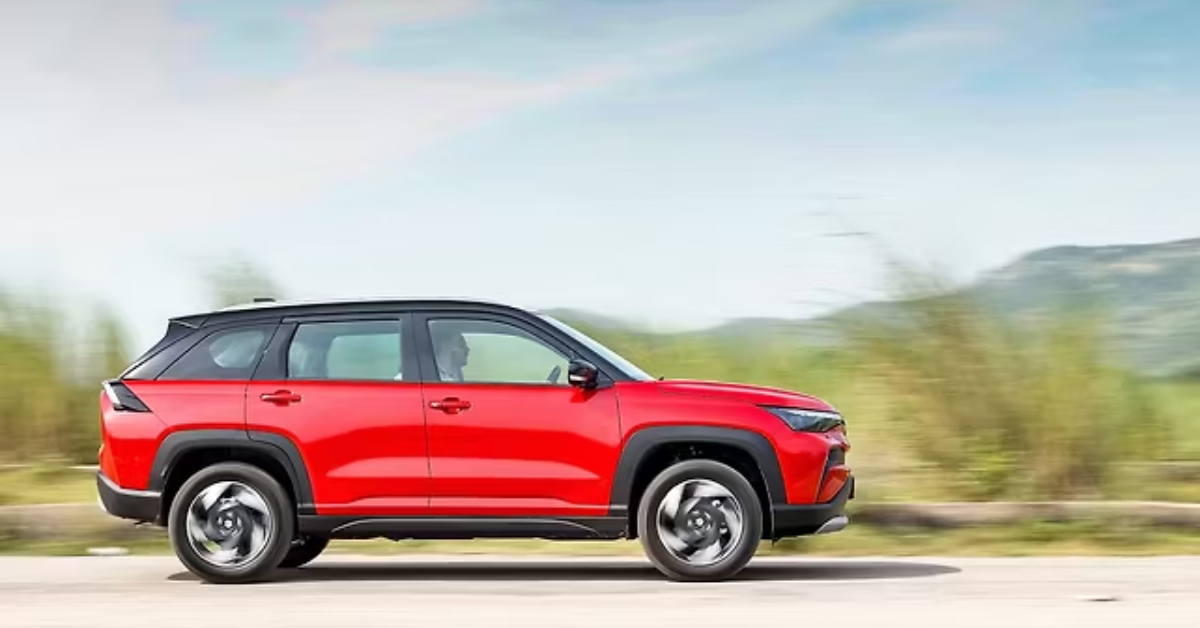
One of the first things that stands out is the design.
Traditional Maruti cars prioritize simplicity and functionality. The Victoris, however, takes a different approach:
- Sharper lines
- Bold front grille
- Sleek LED lighting
- Strong road presence
It feels more aligned with global SUV design trends rather than the conservative styling typically associated with Maruti.
This shift is important because design is often the first factor influencing buying decisions today.

Key Observation:
The Victoris doesn’t just aim to be practical—it aims to be desirable.
Interior Experience: A Step Toward Premium Comfort
Step inside, and the difference becomes even more apparent.
Maruti interiors have traditionally been functional but not particularly luxurious. The Victoris changes that narrative with:
- Soft-touch materials
- Larger infotainment system
- Digital instrument cluster
- Ambient lighting
The cabin feels more refined and tech-focused, targeting buyers who expect a premium experience even in mid-range SUVs.
Why this stands out:
It reduces the gap between Maruti and premium competitors, something that was clearly visible in older models.
Feature List: Competing with the Best
Another area where the Victoris feels different is its feature set.
Modern buyers are highly feature-conscious, and the Victoris seems to address this directly.
Expected Feature Highlights
- Large touchscreen infotainment system
- Wireless connectivity
- Panoramic sunroof
- Ventilated seats
- Advanced safety features
This is a significant upgrade compared to older Maruti offerings, which often lagged behind competitors in feature richness.
Big Shift:
Maruti is no longer just catching up—it’s actively competing.
Performance & Driving Feel: A New Focus?
Maruti vehicles are typically tuned for efficiency rather than performance. The Victoris hints at a more balanced approach.
While fuel efficiency is still likely a priority, there’s a noticeable emphasis on:
- Better engine refinement
- Improved driving dynamics
- Enhanced highway stability
This suggests that Maruti is trying to appeal not just to practical buyers but also to those who enjoy driving.
What’s different:
The focus is no longer just on “getting from point A to B”—it’s about how you feel while doing it.

Target Audience: A New Kind of Buyer
The Victoris seems to be targeting a slightly different audience compared to traditional Maruti cars.
Earlier Maruti Buyers
- First-time car owners
- Budget-conscious families
- Mileage-focused users
Victoris Buyers
- Upgraders from hatchbacks
- Feature-focused customers
- Buyers seeking premium feel without premium pricing
This shift reflects changing consumer behavior, where buyers are willing to stretch budgets for better experiences.
Brand Perception: A Strategic Transformation
Perhaps the biggest impact of the Victoris is on brand perception.
Maruti has long been seen as:
- Reliable
- Affordable
- Practical
While these are strengths, they also limit the brand’s appeal in premium segments.
The Victoris attempts to add new dimensions:
- Stylish
- Feature-rich
- Aspirational
Why this matters:
Brand perception influences long-term growth. Moving upmarket allows Maruti to compete with a broader range of competitors.
Competition Pressure: The Real Trigger
The Indian automotive market has evolved rapidly.
Competitors now offer:
- Better interiors
- More features
- Premium design
Maruti, despite its dominance, has faced criticism for lagging behind in these areas.
The Victoris feels like a direct response to this pressure.
It shows that Maruti is:
- Listening to customer feedback
- Adapting to market trends
- Willing to change its strategy
Is This a One-Off or a New Direction?
A key question is whether the Victoris is just a standalone experiment or part of a larger shift.

If successful, it could lead to:
- More premium Maruti models
- Better feature integration across the lineup
- A gradual shift in brand identity
This could redefine how people perceive Maruti in the coming years.
Potential Challenges
While the Victoris looks promising, it also faces challenges.
Key Concerns
- Can Maruti justify a higher price point?
- Will buyers accept a “premium Maruti”?
- Can it match competitors in build quality and safety perception?
Breaking into a more premium space is not easy, especially for a brand known for affordability.
What Makes It Feel Different?
Summing it up, the Victoris feels different because it combines elements that were not traditionally associated with Maruti:
- Bold and modern design
- Premium interior quality
- Advanced feature list
- Broader target audience
- Aspirational positioning
It’s not just a new car—it’s a new approach.
Final Thoughts
The Maruti Victoris represents more than just another product launch—it signals a shift in mindset.
Maruti is no longer content with dominating the entry-level and mid-range segments. It wants to move up, compete harder, and redefine its image.
Whether the Victoris succeeds or not, one thing is clear:
Maruti is evolving.
And for buyers, that’s a good thing.
Because more competition, better features, and improved quality ultimately lead to better choices.