
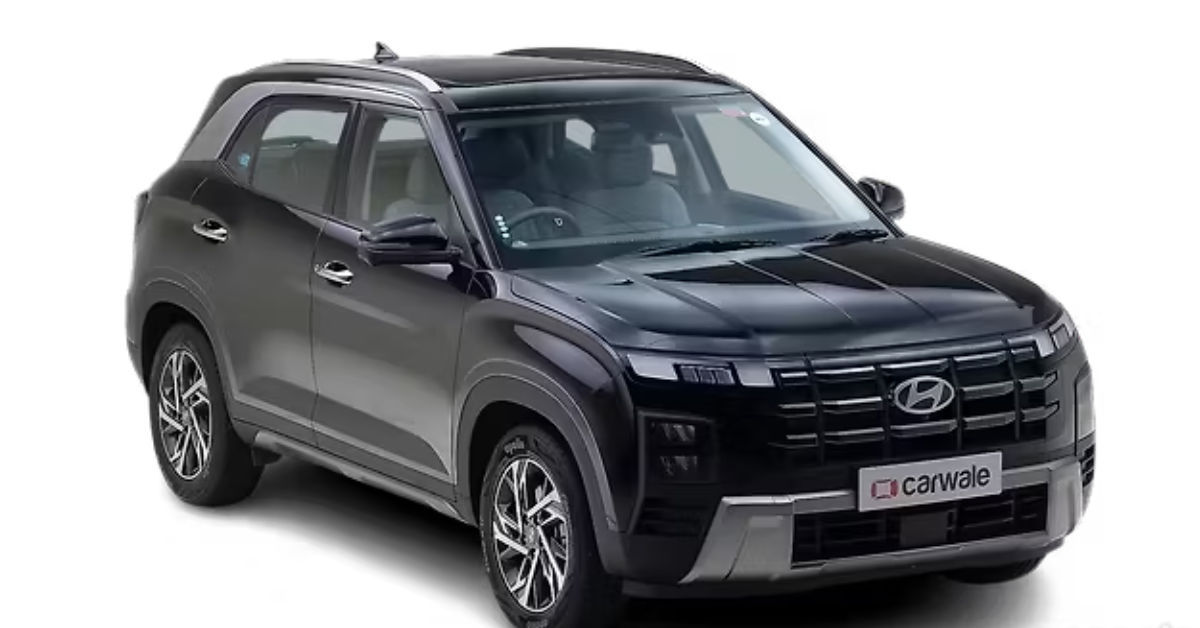
The Hyundai Creta has long dominated India’s mid-size SUV segment, consistently ranking among the best-selling cars in the country. But even market leaders cannot afford to stand still. With rising competition, evolving customer expectations, and the constant need for freshness, Hyundai introduced the Creta Summer Edition.
At first glance, it may seem like just another limited update. However, this move is far more strategic than it appears. The Summer Edition is not about reinventing the car—it’s about repositioning value, extending lifecycle appeal, and maintaining dominance in a crowded segment.
So, why exactly did Hyundai feel the need to launch a special edition of its bestseller? Let’s break it down.
Keeping the Product Fresh Without a Full Update
One of the biggest reasons behind the Summer Edition is timing.
The current-generation Creta has already received its major facelift a couple of years ago, and the next-generation model is still some time away.
In such a scenario, carmakers often face a challenge:
- Launching a new generation too soon isn’t feasible
- Keeping the existing model unchanged risks losing buyer interest
This is where special editions come in. They act as a bridge between product cycles, keeping the vehicle relevant without requiring major engineering changes.
Key Insight:
The Summer Edition helps Hyundai maintain excitement around the Creta until the next big update arrives.
Adding More Value to Lower and Mid Variants
Another major reason is value perception.
The Creta Summer Edition focuses on enhancing lower and mid-spec trims by adding premium features that were previously limited to higher variants.
These additions include:
- Keyless entry and push-button start
- LED lighting upgrades
- Rear camera and sunshades
- Dashcam and digital cluster in higher trims
This strategy is crucial because:
- Most buyers in India opt for mid-range variants
- Customers increasingly expect premium features even at lower prices
By adding features without drastically increasing cost, Hyundai improves the value-for-money equation.
Result:
Buyers feel they are getting a “premium experience” without paying top-end prices.
Minimal Investment, Maximum Impact
From a business perspective, the Summer Edition is a highly efficient move.
There are:
- No major design changes
- No engine updates
- No structural modifications
Instead, Hyundai focuses on:
- Feature additions
- Equipment upgrades
- Minor convenience enhancements
This means:
- Low development cost
- Faster time to market
- High return on investment
Special editions like this are designed to boost sales without heavy R&D spending, making them a smart commercial strategy.
Responding to Intense Competition
The mid-size SUV segment is one of the most competitive in India.
New launches, facelifts, and feature-loaded rivals constantly challenge the Creta’s dominance.
Even though the Creta continues to sell strongly, competition from rivals means Hyundai cannot afford complacency.
The Summer Edition helps by:
- Matching or exceeding feature offerings of competitors
- Keeping the product aligned with current market trends
- Offering something “new” without a full redesign
Key Insight:
This is not about fixing a problem—it’s about staying ahead of rivals.
Boosting Sales Momentum
Despite being a bestseller, the Creta still needs consistent demand to maintain its leadership position.
Recent data shows that the model continues to sell in large numbers with minimal drop in demand.
However, special editions play a key role in:
- Attracting new buyers
- Bringing back undecided customers
- Encouraging upgrades from lower trims
The Summer Edition is especially attractive because:

- It offers more features at a relatively small premium
- It creates a sense of urgency among buyers
Outcome:
A short-term spike in showroom interest and bookings.
Creating a Sense of Exclusivity
Special editions are not just about features—they’re also about perception.
Even if the changes are minimal, labeling a variant as a “special edition” creates:
- Emotional appeal
- A sense of uniqueness
- Higher desirability
Buyers often feel they are getting something more exclusive than a standard model, even if the differences are subtle.
In a segment where many cars look similar, this psychological factor can significantly influence buying decisions.
Aligning With Seasonal Marketing
The “Summer Edition” tag is also a clever marketing move.
It aligns the product with:
- Seasonal demand cycles
- Summer travel needs
- Increased showroom footfall during festive and holiday periods
Some features, like rear sunshades and comfort enhancements, are especially relevant for hot weather conditions.
Marketing Advantage:
It gives Hyundai a fresh narrative to promote the Creta without launching an entirely new car.
Making Premium Features More Accessible
One of the most important shifts in the automotive market is the democratization of features.
Customers today expect:
- Large screens
- Advanced safety tech
- Connected features
The Summer Edition directly addresses this trend by:
- Bringing high-end features to affordable trims
- Reducing the gap between base and top variants
This strategy strengthens the Creta’s position as a feature-rich SUV across all price points.
Maintaining Brand Leadership
The Creta isn’t just another product—it’s a flagship for Hyundai in India.

With over a million customers and strong annual sales, it plays a crucial role in shaping the brand’s image.
Launching special editions helps:
- Reinforce brand leadership
- Maintain visibility in the market
- Keep the product in the spotlight
It ensures that the Creta remains a top-of-mind choice for buyers.
No Mechanical Changes: A Strategic Decision
Interestingly, the Summer Edition does not introduce any changes to the engine or performance.
This is intentional.
Why?
- The existing engine lineup is already well-accepted
- Changing mechanical components would increase costs
- Most buyers prioritize features over performance upgrades
By keeping the mechanical package unchanged, Hyundai focuses on what matters most to the majority of buyers—comfort, convenience, and technology.
The Bigger Picture: Lifecycle Management
The Creta Summer Edition is a classic example of product lifecycle management.
Automakers typically follow this cycle:
- Launch a new model
- Introduce a facelift
- Add special editions
- Launch next generation
The Summer Edition fits perfectly into this strategy, ensuring that the Creta remains competitive throughout its lifecycle.
Final Thoughts
The Hyundai Creta Summer Edition is not just a cosmetic update—it’s a well-thought-out strategy designed to keep a bestselling SUV relevant in a fast-changing market.
It succeeds because it:
- Adds meaningful features to popular variants
- Improves value without increasing costs significantly
- Keeps the product fresh between major updates
- Strengthens Hyundai’s position in a competitive segment
In simple terms, Hyundai didn’t launch the Summer Edition because the Creta needed it—they launched it because the market demands constant evolution, even from the best.